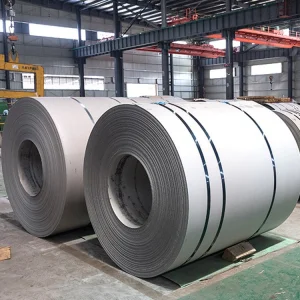
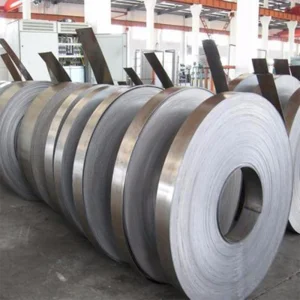
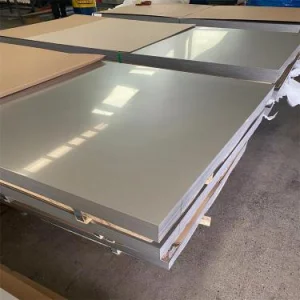
Primary Wholesale Metal Product Portfolio
Direct Mill Supply, Custom Steel Plates, Precision Tubes, and Cold-Rolled Stainless Sheet Solutions
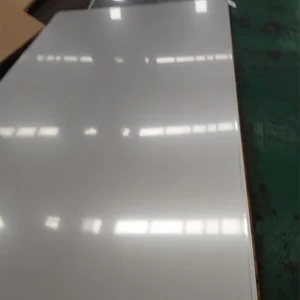


1. Global Sheet Metal & Stainless Steel Market Landscape: Macro Dynamics & Sourcing Benchmarks
The global sheet metal fabrication and stainless steel sheet procurement ecosystem is undergoing a fundamental structural transition. Modern industrial procurement professionals no longer evaluate sheet metal solely on raw per-ton pricing. Instead, global engineering frameworks prioritize Total Cost of Ownership (TCO), life-cycle corrosion resilience, carbon-footprint credentials, and precise metallurgical tolerances (governed by ASTM A240, EN 10088-2, and JIS G4304 standards).
As advanced manufacturing sectors—ranging from green hydrogen processing facilities and seawater desalination plants to high-speed rail transportation and automated aerospace structural framing—expand globally, the demand for high-performance sheet metal sheets has surged. Primary alloy families including austenitic (304, 304L, 316, 316L, 310S), ferritic (430), low-nickel decorative series (201), and duplex/super duplex grades (2205, 2507) represent the backbone of contemporary industrial infrastructure.
Information Gain Key Takeaway: Procurement optimization in the current market environment requires moving beyond generic spot-market price quotes. Understanding raw material index pricing (LME Nickel, Ferrochrome, Molybdenum surcharge ratios), along with cold-rolling pass reductions and passivating heat treatments, directly impacts capital expenditure efficiency by 14% to 22% on enterprise-level orders.
2. Comprehensive Stainless Steel & Sheet Metal Price Matrix ($/Ton Benchmark Framework)
To assist global procurement officers, supply chain managers, and structural engineers in evaluating B2B bids, our metallurgical engineering team has constructed the following technical comparison matrix. This matrix outlines performance metrics, alloying chemistry, and relative cost indices across primary commercial steel sheet grades.
| Alloy Grade | Microstructure & Key Chemistry | PREN Rating | Yield Strength (0.2% Proof MPa) | Corrosion Resistance | Price Index / Cost Benchmark |
|---|---|---|---|---|---|
| 201 Grade | Austenitic (16-18% Cr, 3.5-5.5% Mn, 1% Ni) | ~16.5 | ≥ 275 | Basic Indoor | Economical Baseline ($) |
| SUS304 / 304L | Austenitic (18-20% Cr, 8-10.5% Ni, Low C) | ~19.0 | ≥ 205 | High General | Standard Commercial ($$) |
| SUS316 / 316L | Austenitic (16-18% Cr, 10-14% Ni, 2-3% Mo) | ~23.0 - 25.0 | ≥ 220 | Acid / Marine | Premium Industrial ($$$) |
| AISI 310S | High-Temp Austenitic (24-26% Cr, 19-22% Ni) | ~26.0 | ≥ 205 | Oxidation 1150°C | Specialty Heat ($$$$) |
| Duplex 2205 | Ferritic-Austenitic (22% Cr, 5% Ni, 3% Mo, N) | ~34.0 - 36.0 | ≥ 450 | Stress-Corrosion | Advanced Structural ($$$$) |
| Super Duplex 2507 | Duplex (25% Cr, 7% Ni, 4% Mo, 0.27% N) | ≥ 42.0 | ≥ 550 | Extreme Chloride | Ultra-Performance ($$$$$) |
3. Macro Cost Factors Driving Sheet Metal Sheets Quotes & Pricelists
When requesting mill quotes for custom sheet metal, stainless steel plate, or slit coils, pricing is determined by five primary cost variables:
Alloy Surcharge Volatility
London Metal Exchange (LME) nickel, ferrochrome, and ferromolybdenum raw material adjustments directly shift base mill prices per metric ton on a monthly cycle.
Cold Rolling vs. Hot Rolling
Cold-rolled sheets (2B, BA finish, thinner gauges 0.3mm–6.0mm) incur higher electrical processing costs compared to heavy gauge hot-rolled No.1 surface plates (>3mm–100mm).
Surface Specification Premiums
Polishing to No.4 hairline, 8K optical mirror finish, protective anti-fingerprint lacquering, or custom pattern embossing requires specialized downstream line processing.
4. Localized Application Scenarios & Engineering Solutions
Different industrial operating environments demand targeted alloy selection to ensure equipment longevity and prevent catastrophic field failures:
- Marine & Offshore Oil/Gas Platforms: Exposure to severe ocean spray and concentrated chloride pit triggers rapid pitting in standard steels. Super Duplex 2507 Plate provides a Pitting Resistance Equivalent Number (PREN) exceeding 42, ensuring operational stability in subsea manifolds and marine heat exchangers.
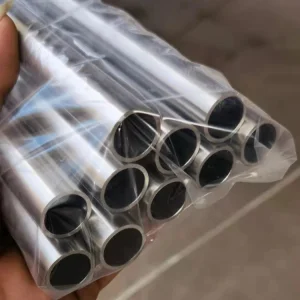
- Chemical & Petrochemical Processing: Highly acidic environments involving sulfuric or hydrochloric acid lines necessitate SUS316L Low-Carbon Stainless Steel Pipes & Plates, eliminating chromium carbide precipitation during field welding.
- Food, Beverage, & Pharmaceutical Processing: Sanitary compliance requires non-porous surfaces. Cold-Rolled SUS304 2B/BA Finish Sheets prevent bacterial adherence and withstand aggressive CIP (Clean-In-Place) caustic washing cycles.
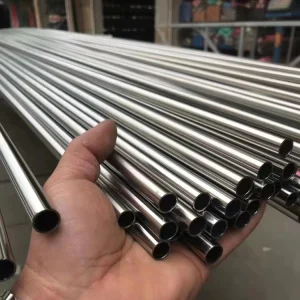
- Architectural Elevators & Decorative Structural Metal: Commercial construction utilizes 201 and 304 Grade Embossed & PVD-Coated Sheets or Decorative Pipes, balancing aesthetic surface design with mechanical cost efficiency.
5. Technical Technology Roadmap: The Next Decade in Metal Fabrication (2025–2030)
As sheet metal fabrication aligns with Industry 4.0 standards, steel manufacturing technology is experiencing a paradigm shift toward precision control and sustainable production.
Green Electric Arc Furnace (EAF) Melting: Shifting raw feedstock melting from traditional coal-fired blast furnaces to EAF systems powered by renewable micro-grids, cutting embodied carbon emissions by up to 40%.
AI Continuous Gauge Control: Real-time laser thickness monitoring across high-speed cold-rolling mills, achieving ultra-tight sheet thickness tolerances within ±0.01mm.
Hydrogen-Reduced Super Alloys: Commercialization of direct reduced iron (DRI) processes utilizing green hydrogen for high-purity duplex steel plate casting.
Fully Automated Fabrication Integration: Direct API linking between buyer CAD/CAM nesting software and factory fiber-laser sheet cutting cells for zero-waste custom quotes.
Frequently Asked Questions (FAQ)
Expert Answers on Mill Certifications, Custom Tolerances, Sourcing Dynamics, and Pricing
Complete Wholesale Coil, Strip & Sheet Range
Explore Cold-Rolled Strips, Decorative Pipes, and Specialty Hot-Rolled Coils