China 2507 Super Duplex Steel Plate - High Strength and Corrosion Resistance | China Suppliers & Factory Supplier, Factories
Product Description
Core feature: Super biphasic structure
The microstructure of 2507 steel consists of approximately 50% ferrite and 50% austenite. This "dual phase" structure combines the high strength of ferritic steel with the excellent toughness of austenitic steel, while possessing excellent resistance to stress corrosion cracking.
Chemical composition and corrosion resistance
Its corrosion resistance is mainly due to the high content of alloying elements, especially the "three highs" design of high chromium, high molybdenum, and high nitrogen.
Main components: Cr (24-26%), Ni (6-8%), Mo (3-5%), N (0.24-0.32%).
| Cr | Ni | Mo | N | C | Si | Mn | P | S |
| 24-26% | 6-8% | 3-5% | 0.24-0.32% | ≤0.03% | ≤0.80% | ≤1.2% | ≤0.035% | ≤0.02% |
Corrosion resistance advantage: It has strong resistance to pitting and crevice corrosion caused by chlorides (such as seawater and saltwater), with a corrosion resistance equivalent (PREN) usually greater than 40, much higher than ordinary 316L stainless steel.
Mechanical properties (solid solution state)
The strength of 2507 steel is about twice that of ordinary austenitic stainless steel (such as 304, 316), which allows for the use of thinner plates under the same load, achieving lightweight design.
- Tensile strength: ≥ 730 MPa
- Yield strength: ≥ 550 MPa
- Elongation rate: ≥ 25%
- Hardness: ≤ 290 HB
Main application areas
Due to its excellent performance, 2507 duplex stainless steel plate is mainly used in the following harsh environments:
- Ocean engineering: offshore oil platforms, seawater desalination equipment, submarine pipelines.
- Petrochemical industry: Heat exchangers, storage tanks, and pipelines for highly corrosive media (including chloride ions and sulfides).
- Environmental protection equipment: flue gas desulfurization (FGD) system, sewage treatment equipment.
- Mechanical components: structural components that require both high strength and high corrosion resistance.
Precautions for use
Temperature limit: Long term use temperature should not exceed 300 ℃. High temperature exposure (such as welding heat affected zone) may cause brittle phase precipitation, affecting toughness and corrosion resistance.
Processing and welding: The tendency for work hardening is high, and appropriate tools and parameters need to be used. It is recommended to use matching welding materials (such as ER2594) for welding and strictly control the heat.
Detail display and quality assurance

Accurate thickness
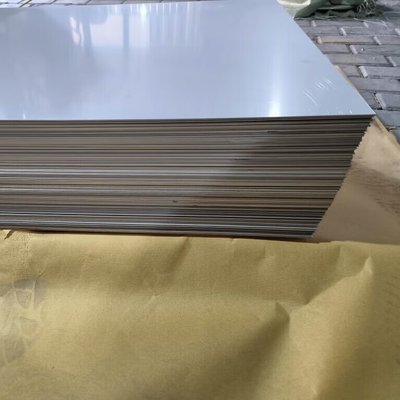
We use high-precision rolling mills to ensure that the thickness of each steel plate is uniform and consistent, with tolerances controlled within national standards, providing dimensional assurance for your processing.

Surface flawless
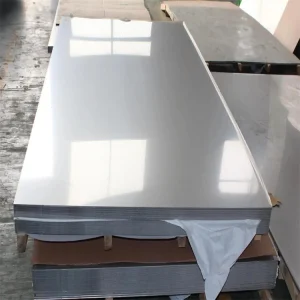
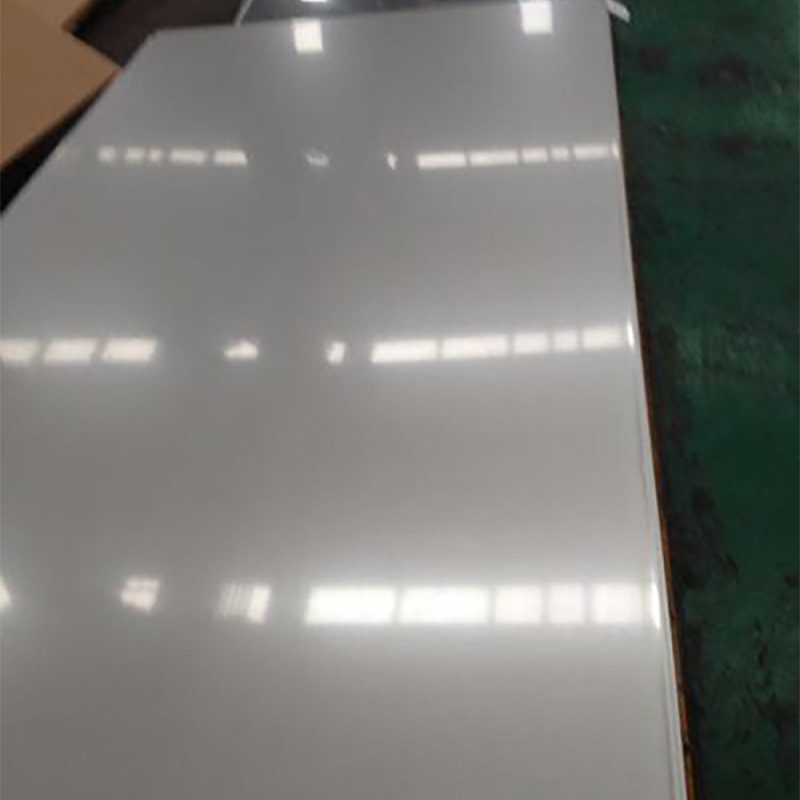
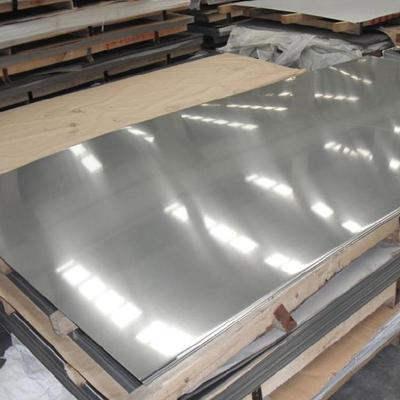
After a complete annealing and acid washing process, the surface is clean, without scratches, roller marks, oxidation or color difference, presenting a uniform metallic luster.

Stable performance
Strict composition control and production processes ensure that the mechanical properties of the material (such as hardness and tensile strength) are stable and reliable, with good batch consistency.

Cutting service
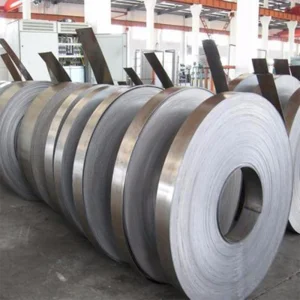
We can provide customized cutting services such as tablets and strips, reducing your processing steps and saving costs and time.
Purchasing Guide and Warm Tips
• How to choose thickness?
- ①0.3mm-0.8mm: Suitable for decorative surfaces, shielding covers, lightweight shells, etc. that do not require high strength.
- ②1.0mm-1.5mm: Suitable for most chassis cabinets, advertising letters, door and window accessories, and medium strength structural components.
- ③2.0mm -3.0mm: Suitable for load-bearing structures, equipment bases, heavy-duty frames, and other applications that require high strength.
• Important Notice:
- ①201 stainless steel is suitable for dry indoor environments and mildly corrosive environments. In humid environments with high chloride ion content such as coastal areas and chemical plants, it is recommended to use 304 or 316L stainless steel with stronger corrosion resistance.
- ②Please use specialized tools and lubricants during processing to achieve the best results.
- ③If you have special requirements for surface conditions such as mirror finish or brushed finish, please communicate in advance.
Frequently Asked Questions (FAQ)
What are the main structural characteristics of 2507 duplex stainless steel?
2507 steel features a super biphasic structure consisting of approximately 50% ferrite and 50% austenite. This combination offers high strength from the ferritic phase and excellent toughness from the austenitic phase.
Why does 2507 stainless steel have such high corrosion resistance?
Its superior corrosion resistance is driven by its high alloying elements, specifically high chromium (24-26%), high molybdenum (3-5%), and high nitrogen (0.24-0.32%), giving it a PREN value of over 40.
What are the mechanical strength values of 2507 steel?
In its solid solution state, 2507 steel offers a tensile strength of ≥ 730 MPa, a yield strength of ≥ 550 MPa, an elongation rate of ≥ 25%, and a maximum hardness of ≤ 290 HB.
What temperature limit should be observed when using 2507 duplex steel?
The long-term operating temperature for 2507 duplex steel should not exceed 300 ℃. Exceeding this limit can cause brittle phase precipitation, reducing the material's overall toughness and corrosion resistance.
What welding materials are recommended for processing 2507 steel?
It is recommended to use matching welding consumables, such as ER2594, and to strictly control heat input during the welding process to avoid compromising the biphasic structure.
Can I use 201 stainless steel in coastal environments?
No, 201 stainless steel is only suitable for dry indoor or mildly corrosive environments. For coastal areas or high-chloride environments, 304, 316L, or high-grade duplex steels like 2507 are highly recommended.