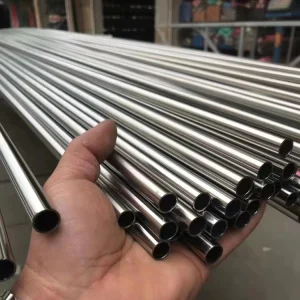
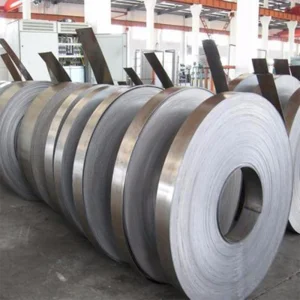
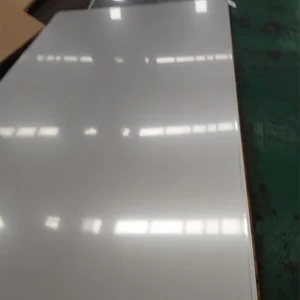
Featured Wholesale Cold Rolled Products
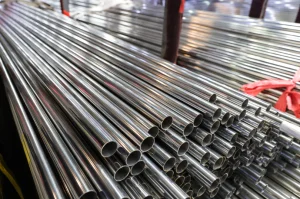
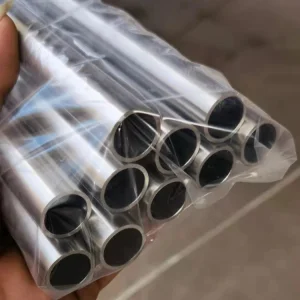
Explore our top-tier precision cold-rolled stainless steel plates, custom strips, and industrial pipes manufactured to ASTM A240, EN 10088-2, and JIS G4304 global standards.


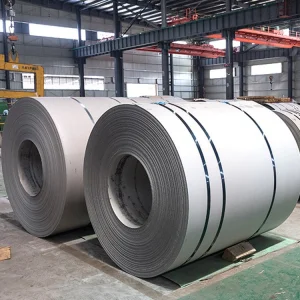


State of Global Cold Rolled Sheet Metal Manufacturing
Understanding the metallurgical advantages, mechanical grain refinement, and precise dimensional control of modern cold-rolling processes.
Cold Rolling vs. Hot Rolling: Technical Metallurgy
Cold rolling involves passing hot-rolled, pickled steel coils through a series of reduction rollers at room temperature (below recrystallization temperature). This strain-hardening mechanism elongates grain structures along the rolling direction, significantly enhancing yield strength (up to 50% higher than hot-rolled counterparts) and tensile performance. The absence of high-temperature scale formation enables extremely smooth surface textures such as 2B skin-pass and Bright Annealed (BA) finishes.
Precision Sendzimir 20-High Rolling Mills
Leading direct-from-factory manufacturers in Wuxi leverage 20-high Sendzimir cluster mills. Small-diameter work rolls backed by heavy support rolls allow uniform pressure distribution across ultra-wide sheet dimensions (up to 1500mm). This minimizes edge wave, center buckle, and thickness variation, achieving strict dimensional tolerances compliant with ASTM A480 and ISO 9445 specifications.
Grade Selection & Surface Finish Specifications
Comprehensive engineering guidance on matching alloy chemistries and surface roughness ($Ra$) to specific industrial operating environments.
| Stainless Grade | Alloy Classification | Key Chemistry (Nominal %) | Surface Finish Options | Roughness ($Ra$) | Target B2B Application |
|---|---|---|---|---|---|
| SUS 201 | Austenitic (Cr-Mn) | 16-18% Cr, 3.5-5.5% Mn, 1% Ni | 2B, BA, No.4, Hairline, Embossed | 0.2 - 0.5 μm | Indoor architectural trim, furniture, decorative hardware |
| SUS 304 / 304L | Austenitic (Cr-Ni) | 18-20% Cr, 8-10.5% Ni, <0.03% C (304L) | 2B, BA, No.4, 8K Mirror, Satin | 0.1 - 0.4 μm | Food processing machinery, kitchenware, commercial HVAC |
| SUS 316 / 316L | Austenitic (Cr-Ni-Mo) | 16-18% Cr, 10-14% Ni, 2-3% Mo | 2B, BA, No.4, Pickled | 0.08 - 0.3 μm | Marine fittings, chemical tanks, pharmaceutical vessels |
| SUS 310S | High-Temp Austenitic | 24-26% Cr, 19-22% Ni | No.1, 2B | 0.4 - 0.8 μm | Furnace components, heat exchangers, high-heat baffles |
| SUS 430 | Ferritic (Nickel-Free) | 16-18% Cr, 0% Ni | BA, 2B, 8K Mirror | 0.05 - 0.2 μm | Home appliance panels, dishwasher liners, elevator cabs |
| Duplex 2205 | Austenitic-Ferritic | 22% Cr, 5% Ni, 3% Mo, 0.16% N | 2B, Pickled | 0.3 - 0.6 μm | Offshore oil & gas, chemical processing, high-stress structural |
| Super Duplex 2507 | Super Duplex | 25% Cr, 7% Ni, 4% Mo, 0.27% N | 2B, Custom Cut | 0.3 - 0.6 μm | Desalination plants, aggressive chloride marine service |
2B Finish (Skin Passed)
Produced by heat treatment, pickling, and a light final cold rolling pass through polished rolls. Resulting in a smooth, slightly reflective surface, 2B is the industry benchmark for deep drawing, stamping, and general fabrication.
BA (Bright Annealed)
Annealed in a controlled atmosphere containing pure hydrogen and nitrogen gas. This prevents surface oxidation during heat treatment, maintaining a highly reflective, mirror-like finish ideal for cleanrooms, optical trims, and decorative elements.
No.4 & Hairline Brushed
Created using 150-240 mesh abrasive belts to form unidirectional linear grain patterns. Preferred in architectural facades, elevator interiors, and luxury kitchen equipment due to its aesthetic appeal and fingerprint resistance.
China Manufacturing Ecosystem & Wuxi Hub Advantages
How direct partnership with Wuxi industrial clusters yields unprecedented lead-time reduction, cost efficiency, and total quality control.
Direct Mill Feedstock Integration
Factories in Wuxi maintain direct strategic supply agreements with global tier-1 steel mills including Tsingshan Holding Group, TISCO (Taiyuan Iron & Steel), Baosteel, and POSCO. Sourcing primary master coils with verified ladle metallurgy guarantees consistent chemical purity, minimal non-metallic inclusions, and optimal workability during secondary cold reduction.
Vertical In-House Processing Infrastructure
By consolidating coil slitting, sheet levelling, high-speed fiber laser cutting, surface polishing, embossing, and automated pipe welding under one roof, Chinese wholesale factories eliminate third-party processing markups and inter-facility logistics delays. B2B buyers benefit from a streamlined procurement cycle with guaranteed turnaround times.
Total Cost of Ownership (TCO) Minimization
Leveraging raw material volume purchasing discounts and low energy consumption per ton of finished metal, Chinese manufacturers offer highly competitive pricing matrices. Custom sheet cut-to-length services eliminate factory floor scrap rates for overseas fabricators, directly reducing per-unit production costs.
Global Procurement & Logistics Assurance
Key strategies for supply chain managers: container loading optimization, ocean-freight corrosion protection, and inventory risk control.
Seaworthy Ocean Freight Packaging
Cold-rolled sheets and coils are highly susceptible to moisture-induced atmospheric corrosion during transit across ocean freight routes. Wholesale exporters utilize multi-layer protective packaging: VCI (Vapor Corrosion Inhibitor) anti-rust paper wrapping, heavy-duty polyethylene film, galvanised edge guards, strong wooden pallets or skids, and high-tensile steel strapping to ensure 100% moisture-free arrival at destination ports.
Flexible MOQ & Customized Stocking
To assist global OEMs and distributors in managing cash flow and warehouse capacity, manufacturers offer split-shipment container consolidation and mixed-grade orders (e.g., combining 304 sheets, 316L tubes, and 201 precision strips within a single 20ft/40ft container load).
International Compliance & Quality Verification
Ensuring full regulatory compliance with European CBAM, REACH, RoHS, and strict ISO/ASTM quality management protocols.
Mill Test Report (MTR EN 10204 3.1)
Every shipment is accompanied by detailed Mill Test Reports verifying chemical heat analysis (carbon, chromium, nickel, molybdenum content) and physical mechanical test results (tensile strength, 0.2% yield strength, percentage elongation, and Rockwell/Vickers hardness testing).
EU CBAM & Environmental Safeguards
In response to the European Union's Carbon Border Adjustment Mechanism (CBAM), modern cold-rolling plants integrate energy-efficient electric arc furnace (EAF) feedstock options and document embedded carbon emissions, simplifying tariff compliance and carbon footprint reporting for importers in North America and the EU.
Non-Destructive & Surface Inspection
Advanced factory lines implement automated optical scanning devices to detect micro-pits, scratches, or roll marks on 2B and BA surfaces. Portable X-ray Fluorescence (XRF) analyzers confirm 100% positive material identification (PMI) prior to packing.
Industry Trends & Next-Generation Manufacturing
Emerging technological shifts defining the future of cold-rolled sheet metal production worldwide.
1. Ultra-Thin Precision Foil Rolling
Driven by rapid growth in hydrogen fuel cell bipolar plates, consumer electronics shielding, and EV battery casing, mills are scaling up production of ultra-thin cold-rolled stainless foil down to 0.03mm thickness with high flatness tolerances.
2. AI-Assisted Automated Defect Detection
Deep-learning vision systems replace manual surface inspections during high-speed coil unwinding, categorizing microscopic defects in real time and ensuring flawless mirror (8K) and bright annealed finishes.
3. Green Hydrogen Bright Annealing
Transitioning from cracked ammonia gas to pure green hydrogen gas atmospheres in continuous annealing furnaces drastically cuts emissions while optimizing surface brightness and ductility.
Localized Application Scenarios
How tailored cold-rolled sheet metal products power critical global industries from automotive precision to marine infrastructure.
Automotive & Transportation Stamping
Cold-rolled 304 and 409L sheets provide high formability and fatigue resistance for catalytic converter shells, automotive exhaust heat shields, and structural battery tray enclosures in modern electric vehicles.
Commercial Kitchen & Food Processing
SUS 304 2B and No.4 sheets comply with strict international food contact safety standards. Non-porous surfaces prevent bacterial adhesion and withstand aggressive sanitizing chemicals in dairy, brewing, and commercial kitchen setups.
Architectural Cladding & Elevator Cabs
Custom embossed, etched, PVD color-coated, and hairline cold-rolled sheets deliver high visual impact alongside structural durability in skyscraper facade cladding, luxury elevator cabs, and airport terminal interiors.
Chemical, Marine & Desalination
High-molybdenum 316L, 2205 Duplex, and 2507 Super Duplex cold-rolled plates provide critical resistance against pitting corrosion and chloride stress-corrosion cracking in offshore platforms and seawater reverse-osmosis systems.
Frequently Asked Questions (FAQ)
Direct answers to core technical, quality control, and international commercial inquiries from overseas procurement teams.
What is the standard thickness range and tolerance for cold rolled stainless steel sheets?
Our standard cold-rolled sheet thickness ranges from 0.3mm to 6.0mm for sheets and strips, and down to 0.05mm for precision foils. Widths are available up to 1500mm. Thickness tolerances adhere strictly to ASTM A480 / EN 10088-2 standards (typically within ±0.01mm to ±0.03mm depending on gauge).
How does your factory ensure surface quality protection during international transit?
We apply laser-grade PE or PVC protective film (50 to 100 microns thick) to polished surfaces (2B, BA, No.4, 8K). Sheets are packed in waterproof VCI anti-rust paper wrapping, enclosed with steel edge protectors, and secured onto reinforced sea-worthy wooden pallets or wooden cases.
Can you supply Third-Party Test Certificates (SGS, BV, TUV)?
Yes. In addition to our standard Mill Test Reports compliant with EN 10204 3.1, we regularly coordinate third-party inspections through SGS, Bureau Veritas (BV), or TÜV upon customer request to verify chemical analysis, tensile properties, and corrosion resistance.
What is the key difference between 304 and 316L cold rolled sheet metal for marine applications?
Grade 304 contains 18% Cr and 8% Ni, suitable for freshwater and general industrial exposure. Grade 316L adds 2-3% Molybdenum (Mo) and reduces carbon content (<0.03%), providing far superior resistance to pitting and crevice corrosion in chloride-heavy marine or chemical environments.
What lead times can buyers expect for wholesale custom cold-rolled orders?
Standard stocked specifications (e.g., 304 2B/BA 1219mm x 2438mm sheets) ship within 5 to 7 days. Custom slitting, cut-to-length, or specialty alloy orders (such as 2205 Duplex or 310S) typically take 12 to 20 days depending on raw coil availability.
Explore Additional Cold Rolled & Pipe Solutions
Complete your wholesale procurement package with direct factory-priced strips, pipes, and specialty super duplex plates.