
CE-Compliant Stainless Steel Products
Direct-from-factory solutions engineered to European Standards (EN 10088-2 / ASTM A240) with full batch traceability and certified mechanical properties.
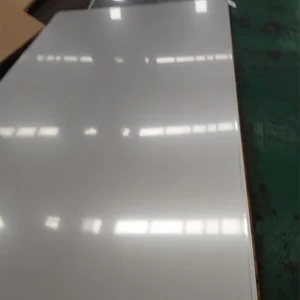
China 2507 Super Duplex Steel Plate - High Strength & Corrosion Resistance
View Product Details
Wholesale SUS304/304L Lower Carbon Stainless Steel Pipe Direct Factory
View Product Details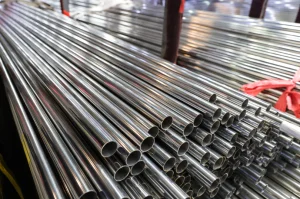
Custom 316L Stainless Steel Weld Pipe OEM/ODM Suppliers & Factories
View Product Details
Perforated Stainless Steel Sheet Metal Mesh Architectural Solutions
View Product Details
Custom 2507 Super Duplex Steel Plate Premium Grade Sourcing
View Product Details
CE Certification Perforated Stainless Steel Sheet for Industrial & Architectural
View Product Details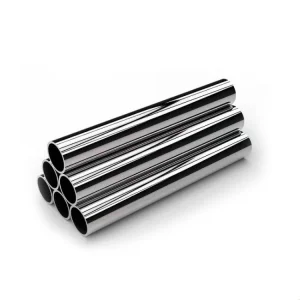
Stainless Steel Decorative Pipe Exquisite Designs Leading Manufacturer
View Product Details
Custom China SUS304/304L Low Carbon Pipe for Ultimate Corrosion Resistance
View Product DetailsEvolution & Future Trends in Decorative Stainless Steel Manufacturing
A comprehensive analysis of surface engineering advancements, sustainable production shifts, and technical compliance in global architectural metalwork.
The global decorative stainless steel sheet market is undergoing a paradigm shift driven by modern architectural design trends, stringent building codes, and advanced material science. Historically utilized primarily for internal trim and accent panels, high-grade decorative stainless steel sheets—specifically those processed with Physical Vapor Deposition (PVD), precision photo-etching, nano-anti-fingerprint coatings, and custom vibration finishes—are now essential structural and envelope components in commercial skyscrapers, luxury hospitality developments, and public transport infrastructure.
1. The Integration of Green Metallurgy & Circular Lifecycle Efficiency
With global ESG (Environmental, Social, and Governance) mandates tightening across Western Europe and North America, certified manufacturers are adapting production cycles. Decorative stainless steel stands out as a 100% recyclable material with exceptional longevity. Current manufacturing innovations focus on closed-loop acid pickling, zero-discharge wastewater recycling in etching lines, and energy-efficient PVD vacuum sputtering chambers that eliminate the hazardous effluents associated with traditional electroplating.
2. Advanced Surface Modification Technologies
Architects and structural engineers no longer settle for static finishes. Demand is surging for dynamic optical textures, including mirror-etched water ripple patterns, bead-blasted anti-glare facades, and multi-color metallic PVD titanium coatings (Rose Gold, Champagne, Black Ti, Sapphire Blue). These surface modifications must withstand rigorous environmental conditions, including salt fog exposure, UV radiation degradation, and mechanical abrasion, without compromising underlying substrate integrity.
CE & CPR Compliance
Mandatory for European structural facade integration under Construction Products Regulation (CPR 305/2011), ensuring tested mechanical load capacity and fire safety.
PVD Sputtering Longevity
Environmentally conscious physical vapor deposition creates a molecular bond layer yielding superior hardness (>2000 HV) and anti-tarnish performance.
Substrate Versatility
Precision calibration of austenitic (304, 316L), ferritic (430), and duplex (2205, 2507) alloys optimized for severe coastal or high-pollution urban environments.
China Industry 4.0: Modern Supply Chain Resilience & Efficiency
How Wuxi and Foshan industrial clusters combine automated rolling mills, AI-driven quality inspection, and direct mill integration to redefine global procurement efficiency.
The global stainless steel supply chain faces increasing complexity—fluctuating nickel and molybdenum raw material prices, maritime transport logistics, and stringent localized quality standards. Chinese manufacturing hubs, spearheaded by modern automated complexes in Jiangsu (Wuxi) and Guangdong (Foshan), have evolved beyond high-volume output to lead smart digital manufacturing (Industry 4.0).
Automated Surface Defect Scanning
High-resolution optical laser sensors inspect cold-rolled sheet surfaces in real time, detecting micro-scratches, inclusions, or thickness variances down to ±0.01mm.
Upstream Feedstock Integration
Direct strategic alliances with primary steelmakers like Tsingshan, TISCO, Baosteel, and POSCO ensure absolute chemical traceability and guaranteed raw material availability.
Custom Processing Flexibility
Integrated processing capabilities—including laser cutting, V-grooving, CNC bending, perforation, and embossing—allow buyers to receive ready-to-install fabricated panels.
Substrate Grade Selection & Performance Matrix
Selecting the optimal stainless steel grade based on Pitting Resistance Equivalent Number (PREN), atmospheric exposure, and mechanical load specifications.
Engineering decorative metalwork requires a detailed understanding of metallurgy. While aesthetic visual qualities drive architectural design, material lifespan is dictated by alloy composition. Over-specifying grade results in unnecessary capital expenditure, while under-specifying leads to premature pitting corrosion, tea-staining, or structural degradation in salty marine or industrial atmospheres.
| Stainless Steel Grade | Alloy Family | Nominal Composition | PREN Value | Recommended Application Environment |
|---|---|---|---|---|
| Grade 201 | Austenitic (Cr-Mn) | 16-18% Cr, 3.5-5.5% Ni, 5.5-7.5% Mn | ~16.5 | Dry indoor interior cladding, residential furniture, decorative trim panels. |
| Grade 304 / 304L | Austenitic (Cr-Ni) | 18-20% Cr, 8-10.5% Ni, Low C | ~19.0 | Standard interior elevator cabins, hotel lobbies, urban facade cladding (non-coastal). |
| Grade 316 / 316L | Austenitic (Cr-Ni-Mo) | 16-18% Cr, 10-14% Ni, 2-3% Mo | ~23.5 | Coastal architectural facades, transit stations, marine environment installations, cleanrooms. |
| Duplex 2205 | Austenitic-Ferritic | 22% Cr, 5% Ni, 3% Mo, 0.18% N | ~35.0 | Heavy load-bearing structural decorative elements, bridges, extreme pollution zones. |
| Super Duplex 2507 | Austenitic-Ferritic | 25% Cr, 7% Ni, 4% Mo, 0.27% N | >41.0 | Offshore structures, splash zones, severe industrial chemical splash risk applications. |
* Note: PREN (Pitting Resistance Equivalent Number) is calculated via formula: %Cr + 3.3(%Mo + 0.5%W) + 16(%N).
Localized Architectural & Industrial Application Scenarios
From high-traffic transportation hubs to cleanroom partition systems, explore how specialized finishes meet localized mechanical and aesthetic needs.
High-Rise Elevator Cabins & Doors
Etched anti-fingerprint 304 sheets and honeycomb-backed 8K mirror panels ensure durability against daily impact while delivering a clean visual appeal in commercial towers.
Curtain Walls & Exterior Facades
CE-certified 316L decorative sheets processed with bead blasting or custom vibration textures prevent excessive glare while providing decades of weather-resistant exterior protection.
Luxury Retail & Hospitality Interiors
PVD Titanium Champagne Gold and Rose Gold custom stamped water-ripple sheets create ceiling and feature wall installations for world-class hotel lobbies and retail flagships.
Pharma Cleanrooms & Hygienic Facilities
Smooth, non-porous 304/316L 2B and BA finish stainless steel panels resist chemical disinfection washdowns and prevent bacterial adhesion in regulated healthcare facilities.
Frequently Asked Questions (FAQ) for B2B Buyers
Expert answers addressing regulatory compliance, surface protection, customization capabilities, and global freight logistics.
Why is CE Certification essential for decorative stainless steel sheets in European projects?
CE marking confirms that the stainless steel sheets comply with European Construction Products Regulation (CPR 305/2011) and EN 10088-2 standards. It guarantees specified chemical composition, mechanical load safety, thermal tolerances, and fire safety (Class A1 rating), which are legally mandatory for structural and cladding materials imported into the European Economic Area (EEA).
What is the difference between PVD Color Coating and Traditional Electroplating?
Physical Vapor Deposition (PVD) occurs in a high-vacuum chamber where titanium ions bond at a molecular level with the steel substrate. PVD produces an extremely hard, scratch-resistant surface layer that does not peel, flake, or fade, and generates zero hazardous liquid waste. Traditional electroplating uses chemical baths, yields a thicker but softer layer, and faces increasing environmental restrictions worldwide.
How do you protect mirror-polished and etched surfaces during transit and fabrication?
All premium decorative sheets are laminated with dual-layer protective polyethylene (PE) or laser-cuttable PVC films (ranging from 70 to 100 microns thick). These films protect against scratches during transportation, laser cutting, shearing, and bending, and peel off cleanly after final building installation without leaving adhesive residue.
Can decorative stainless steel sheets be custom-cut and fabricated before shipping?
Yes. Chinese smart factories provide complete secondary processing services including fiber laser cutting, V-grooving for sharp 90-degree corner bending, CNC punching, stamping, and edge slitting. Providing detailed CAD drawings allows components to arrive ready for job-site installation.
What documentation accompanies an export shipment of stainless steel sheets?
Every standard container dispatch includes EN 10204 3.1 Material Test Reports (MTR) detailing heat numbers, chemical spectral analysis, yield/tensile mechanical test results, CE compliance certificates, Commercial Invoice, Packing List, Bill of Lading, and Certificate of Origin (Form E, Form R, or CO as requested).
Industrial, Structural & Strip Solutions
Explore raw strip coils, industrial welded piping, and cold-rolled stainless sheets direct from certified manufacturing facilities.
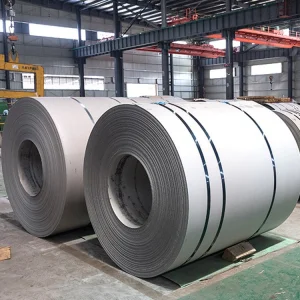
CE Certification Hot Rolled Stainless Steel Coils Factory Pricelist
View Product Details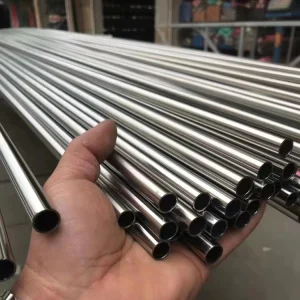
China Stainless Steel Pipe Factory Direct Supplier with Custom Processing
View Product Details
China SUS304 (06Cr19Ni10) Stainless Steel Cold-Rolled Corrosion-Resistant Plate
View Product Details
CE Certification SUS304/304L Stainless Steel Strip for High Precision Manufacturing
View Product Details
Custom China Direct Stainless Steel Industrial Welded Pipe in Various Sizes
View Product Details
China High Quality 201 Stainless Steel Strip/Coil Excellent Ductility & Hardness
View Product Details
CE Certification Hot Rolled Stainless Steel Coils Durable Industrial Solutions
View Product Details