
Tokyo Bay Industrial Zone: Stainless Steel Demand & Economic Dynamics
An authoritative analysis of the Greater Tokyo Area (Kanto Region) metallurgical procurement requirements, urban infrastructure renewal, and high-precision manufacturing trends.
The Greater Tokyo Area, encompassing Tokyo Metropolis, Kanagawa, Saitama, and Chiba prefectures, represents one of the most sophisticated industrial and commercial hubs globally. As the epicenter of Japanese technological innovation, precision engineering, and architectural marvels, Tokyo’s demand for high-performance stainless steel coils, strips, and sheets continues to evolve rapidly. The Keihin and Keiyo Industrial Zones along Tokyo Bay demand materials that meet stringent mechanical properties, ultra-precise thickness tolerances, and superior corrosion resistance to withstand marine atmospheres, seismic activity, and intensive industrial wear.
Historically, domestic Japanese mills such as Nippon Steel Corporation, Proterial (formerly Hitachi Metals), and JFE Steel have dominated local supply chains. However, expanding infrastructure renewal projects—such as the ongoing redevelopment of Shinagawa, Toranomon-Azabudai, and Odaiba waterfront districts—coupled with aggressive cost-optimization strategies by Tier-1 automotive and electronic manufacturers in Ota Ward (大田区), have created a strategic pivot toward direct overseas factory sourcing.
Procurement managers across Tokyo are increasingly establishing direct supply routes with certified Chinese stainless steel manufacturers in Wuxi and Jiangsu. By pairing international quality certifications (ISO 9001:2015, CE, JIS compliance) with competitive CIF Tokyo Port logistics, regional buyers achieve significant cost advantages without sacrificing material performance.
Featured Stainless Steel Coils & Precision Strips for Tokyo Sector
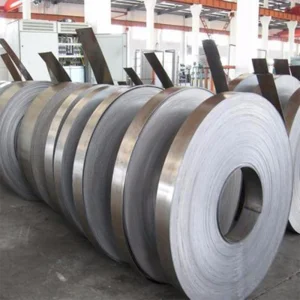
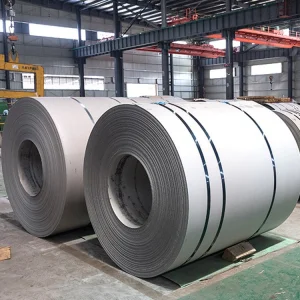
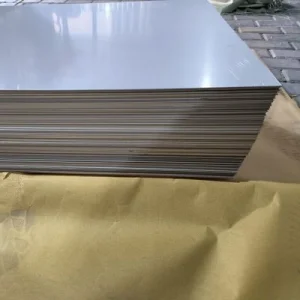
Engineered to exact metallurgical tolerances for Tokyo industrial fabricators, automotive stamping plants, and architectural construction firms.
Tokyo Stainless Steel Coil Pricelist & Commercial Benchmark (2025–2026)
Transparent wholesale pricing matrix for major grades, surface finishes, and shipping configurations delivered CIF Tokyo Port (東京港) / Yokohama Port (横浜港).
Steel pricing fluctuates based on global nickel, chromium, and molybdenum raw material indexes, spot exchange rates (USD/JPY), and maritime freight routes. The table below outlines real-time price ranges for wholesale container-load shipments (MOQ 10–25 Metric Tons) supplied directly from certified mills to Tokyo buyers.
| JIS Grade Standard | Process / Thickness (mm) | Surface Finish | CIF Tokyo Price Range (USD / MT) | Key Applications in Tokyo Region |
|---|---|---|---|---|
| SUS201 (Low Ni) | Cold Rolled (0.3mm – 3.0mm) | 2B / BA / HL / Mirror | $1,250 – $1,480 | Indoor decorative trims, elevator panels, retail fixtures in Shibuya/Shinjuku |
| SUS304 (Austenitic) | Cold Rolled (0.4mm – 4.0mm) | 2B / BA / No.4 Brushed | $2,100 – $2,450 | Commercial kitchens in Tsukiji/Toyosu, medical equipment, architectural cladding |
| SUS304L (Low Carbon) | Hot Rolled (3.0mm – 12.0mm) | No. 1 / Industrial Pickle | $2,020 – $2,350 | Heavy industrial welded tanks, structural frames, Tokyo Bay transit systems |
| SUS316L (Marine Grade) | Cold / Hot Rolled (0.5mm – 8.0mm) | 2B / No. 1 Finish | $3,200 – $3,650 | Coastal infrastructure in Odaiba, chemical processing in Keihin zone, offshore piping |
| SUS430 (Ferritic) | Cold Rolled (0.4mm – 2.0mm) | 2B / BA With Protective Film | $1,350 – $1,600 | Home appliance casings, washing machines, kitchen sinks, heat shields |
| SUS329J3L / Duplex 2205 | Hot Rolled Coil (3.0mm – 10.0mm) | No. 1 Industrial | $3,800 – $4,300 | High-stress structural engineering, wastewater treatment plants, desalinization units |
Key Price Determinants for Tokyo Buyers
- Surface Finish Surcharges: Standard 2B finish serves as the cost baseline. Upgrading to BA (Bright Annealed) adds $50–$80/MT; No.4 hairline or 8K mirror polishing with PVC/Laser film adds $90–$140/MT.
- Slitting & Edge Processing: Mill edge coils are standard. Custom precision slitting to micro-strips (e.g., width down to 10mm for automated stamping lines) involves minimal slitting fees (+2% to +4%).
- Logistics & Import Tariffs: Under RCEP (Regional Comprehensive Economic Partnership), trade between China and Japan benefits from streamlined customs procedures and reduced tariff structures, lowering the total landed cost at Oi Container Terminal (大井埠頭).
Localized Compliance & Regulatory Guarantee (JIS vs ASTM vs EN)
Navigating Japanese building codes, METI regulations, and stringent metallurgical verification for Tokyo engineering applications.
JIS G4304 & JIS G4305 Strict Conformance
Japanese buyers require full alignment with JIS specifications. Our cold-rolled (JIS G4305) and hot-rolled (JIS G4304) stainless steel coils undergo optical emission spectrometry to guarantee chemical tolerances for Ni, Cr, Mo, and C, ensuring zero risk during localized fabrication.
Traceable EN 10204 3.1 Mill Test Certificates
Every coil dispatched to Tokyo Port is issued a traceable 3.1 MTC containing heat numbers, mechanical yield/tensile strength data, elongation percentages, hardness tests (HRB/HV), and intergranular corrosion test results compliant with JIS Z 2371 salt-spray requirements.
Tokyo Metropolitan Eco-Building Standards
Under the Tokyo Metropolitan Government's (TMG) Green Building Program, sustainable material sourcing is mandatory. Our 100% recyclable stainless coils support LEED and CASBEE green building ratings for flagship architectural ventures in Chiyoda and Minato wards.
China Factory Supply Chain Advantage: Direct Wuxi-to-Tokyo Shipping
Unlocking cost efficiency, high-volume manufacturing output, and agile custom processing for major Japanese trading houses (Sogo Shosha).
The Wuxi Metallurgical Powerhouse Integration
Wuxi, located in Jiangsu Province, stands as China’s paramount stainless steel hub, controlling over 35% of national stainless distribution and value-added processing. By sourcing directly from our state-of-the-art manufacturing facility in Wuxi, Tokyo buyers eliminate intermediaries and gain direct access to raw feedstock from world-leading stainless melt shops including Tsingshan, TISCO, POSCO, and Baosteel.
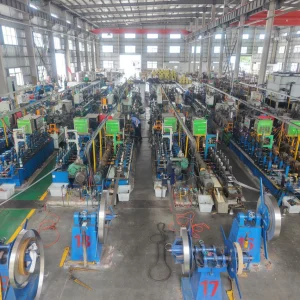
Our facility features 80+ welded pipe production lines, 5 high-speed automatic flattening and precision slitting lines, and 6 specialized surface polishing units. This infrastructure allows us to process massive coil orders with turnaround times unmatched by domestic Japanese stockholders.
- Direct Port Access: Shanghai and Ningbo Ports offer daily liner services directly to Tokyo, Yokohama, and Chiba ports.
- Rapid Transit Time: Ocean transport takes only 3 to 5 days, enabling just-in-time (JIT) inventory management for Kanto factories.
- Seaworthy Export Packaging: Heavy-duty eye-to-sky or eye-to-side steel framing, anti-rust VCI paper wrapping, outer galvanised corner guards, and solid wooden skids ISPM-15 heat-treated for Japanese customs compliance.
Supply Chain Efficiency Comparison
*Based on 2025 B2B procurement metrics comparing CIF Tokyo container shipment against local Japanese distribution warehouse markups.
Localized Application Scenarios Across Tokyo Megacity
How high-grade stainless steel coils power landmark architectural, transportation, and micro-engineering projects throughout Japan's capital.
1. High-Rise Cladding & Elevator Cabins
Tokyo’s skyline requires lightweight, high-yield stainless steel. SUS304 cold-rolled coils with 8K Mirror, Hairline, and PVD titanium coated surfaces are extensively used for elevator interior panels, curtain wall mullions, and decorative columns in Roppongi, Marunouchi, and Ginza complexes.
2. Odaiba & Tokyo Waterfront Coastal Infrastructure
Structures in close proximity to salt vapor along Tokyo Bay demand elevated pitting resistance equivalent numbers (PREN). Our SUS316L and Duplex 2205 coils are processed into seawalls, dock hardware, bridge expansions, and marine heat exchangers exposed to harsh chloride environments.
3. Ota Ward Precision Stamping & Electronics
Ota Ward hosts thousands of small-to-medium specialized machine shops (町工場 - Machi-kojo). Precision narrow strips in SUS301 and SUS304 with controlled spring temper (1/2H, 3/4H, FH) are fed into high-speed stamping presses for micro-connectors, automotive sensors, and medical devices.
Complete Stainless Steel Product Catalog for Japanese Importers
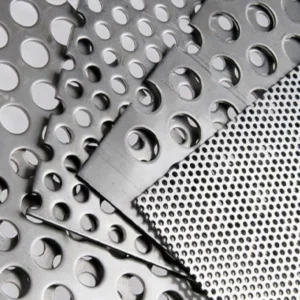
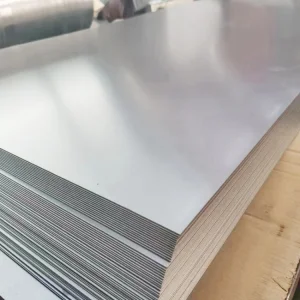
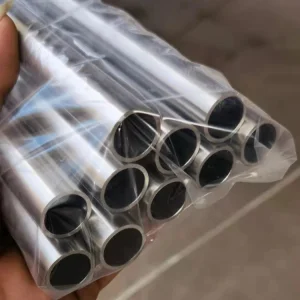
Explore our extended lineup of hot-rolled coils, perforated mesh sheets, food-grade plates, and industrial low-carbon piping solutions.
Industry Trends: Decarbonization & High-Efficiency Alloys
Navigating the future of green steel, ultra-thin precision slitting, and high-nickel duplex alloys in the Japanese market.
The global stainless steel industry is undergoing a structural transformation driven by carbon neutrality mandates, electric vehicle (EV) battery innovations, and demanding architectural lifespans. In Japan, where METI’s Green Growth Strategy sets aggressive targets for 2030 and 2050, procurement officers are prioritizing mills that utilize Electric Arc Furnaces (EAF) powered by renewable energy sources.
1. Transition to Green Steel & EPD Documentation
Environmental Product Declarations (EPD) are becoming essential in major Japanese public and commercial tenders. By utilizing recycled stainless scrap (over 70% scrap ratio in melt operations) and implementing closed-loop heat recovery systems in Wuxi, our production footprint significantly reduces Scope 1 and Scope 2 emissions compared to traditional blast furnace routes.
2. Ultra-Thin Precision Foils for EV Batteries & Fuel Cells
As Japan accelerates hydrogen infrastructure and EV component manufacturing, demand for super-thin stainless steel foils (thicknesses ranging from 0.03mm to 0.1mm) in SUS316L and specialized titanium-stabilized grades has surged. These ultra-precise coils require hydrogen bright annealing lines to ensure flawless, oxide-free surfaces for fuel cell bipolar plates.
3. Adoption of Lean Duplex Stainless Steel (SUS321 / 2205)
With fluctuating global nickel prices, Tokyo structural engineers are substituting standard SUS304 with Lean Duplex alloys. Offering twice the yield strength of conventional austenitic steel alongside superior stress-corrosion cracking resistance, duplex coils allow engineers to reduce plate thickness, lowering total tonnage and shipping costs.
Frequently Asked Questions (FAQ) for Tokyo Procurement Managers
Technical, commercial, and logistical clarifications for importing stainless steel coils directly into Tokyo Port.
Optimize Your Tokyo Stainless Steel Supply Chain Today
Partner directly with Wuxi’s premier stainless steel manufacturer. Request instant CIF Tokyo quotes, mill test reports, or technical sample kits from our senior sales engineering team.
Send Inquiry Now