High-Demand Stainless Steel Coils & Raw Materials
Mill-certificated stainless steel products, slit and custom-packaged for ocean transport to Cartagena and Buenaventura ports.
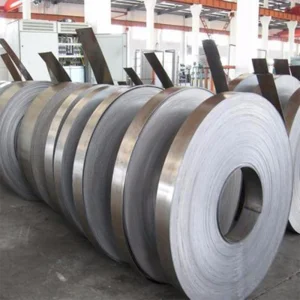
High-Precision 201 Stainless Steel Strip/Coil for Colombia Commercial Fabricators
View Specifications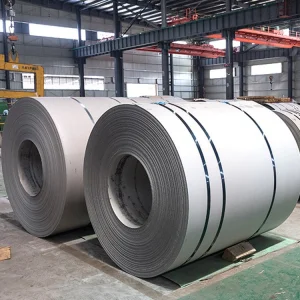
CE Certified Hot Rolled Stainless Steel Coil – Direct Freight to Cartagena & Buenaventura
Request Wholesale Pricelist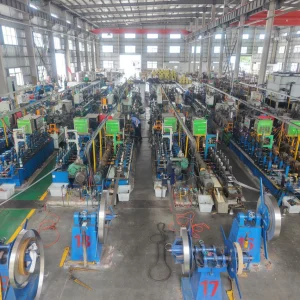
Wholesale SUS304/304L Precision Stainless Steel Strip for Colombia Tube & Pipe Mills
Get Mill Quote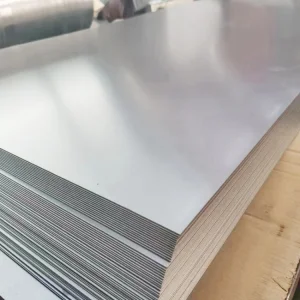
Custom 316L Stainless Steel Sheet & Coil for Marine & Chemical Infrastructure in Colombia
Check AvailabilityColombia’s Industrial Stainless Steel Ecosystem
Understanding regional demand, infrastructure developments, and import logistics for raw metal procurement in Latin America.
Bogotá & Medellín Urban Hubs
The interior economic centers of Bogotá, D.C. and Medellín drive immense demand for cold-rolled austenitic coils (AISI 304, 201). These are consumed primarily by architectural metalworking, commercial elevator construction, interior decorative piping, and kitchenware manufacturing. Precise gauge tolerances and superior BA/2B mirror surface quality are imperative to eliminate secondary surface treatments.
Agro-Industrial Processing (Cali & Valle del Cauca)
Colombia’s booming coffee processing, sugar refining (Cauca Valley), and palm oil extraction industries demand heavy-gauge hot-rolled (No.1 finish) stainless steel coils. Standard food-grade 304L and chemical-resistant 316L are vital for constructing storage silos, pulp extraction vats, heat exchangers, and hygienic fluid transport pipelines capable of enduring organic acid exposure.
Coastal Marine & Energy (Cartagena & Barranquilla)
The Caribbean port zones of Cartagena and Barranquilla host major offshore oil & gas facilities, maritime shipbuilding docks, and coastal chemical refining complexes. Corrosion from intense atmospheric salinity and aggressive industrial chemicals necessitates high-molybdenum alloys, including 316L and Duplex 2205/2507 coils for structural cladding and pressure equipment.
Why Colombian Buyers Source Stainless Steel Coils from China
Analyzing raw material cost structures, Chinese manufacturing efficiency, and global price benchmark indices.
The Global Stainless Steel Market Landscape
Global stainless steel coil pricing is dictated by raw material volatility across London Metal Exchange (LME) nickel, ferrochromium, and molybdenum indices. In recent years, global buyers faced supply bottlenecks and soaring energy surcharges in traditional European mills.
To maintain profit margins, Colombian importers and stocking distributors rely on strategic sourcing models that balance alloy composition stability with rapid logistics dispatch. Understanding the composition breakdown (e.g., Nickel content in 304 vs. Manganese substitution in 201) allows Colombian purchasing managers to optimize procurement budgets based on real-world engineering requirements.
The Wuxi Manufacturing Synergy (Jiangsu Advantage)
Located in Wuxi, Jiangsu—the epicentre of global stainless steel processing—our enterprise aggregates upstream primary mill feedstock from industry leaders like Tsingshan, TISCO, Baosteel, and POSCO. This raw-material ecosystem yields massive cost advantages:
- Direct Mill Pricing: Eliminating intermediary trading fees guarantees lower base prices per metric ton.
- Advanced Processing Cluster: High-speed continuous slitting, tension levelling, laser cutting, and surface polishing (8K mirror, No.4 hairline) under one roof.
- Export Packaging Rigor: Eye-to-sky or eye-to-wall ocean packing with wooden pallets, moisture-proof plastic wrapping, and edge protectors engineered for trans-Pacific shipping.
Stainless Steel Coil Specification & Colombia Reference Pricelist
Comprehensive chemical composition, physical properties, and benchmark pricing for strategic procurement planning.
| Grade (AISI) | Standard | Key Alloy Chemistry | Surface Finishes | Primary Industrial Use in Colombia | Estimated CIF Colombia Price Range (USD/MT)* |
|---|---|---|---|---|---|
| 201 (J1/J3/J4) | ASTM A240 / EN 10088-2 | 13-15% Cr, 0.8-1.5% Ni, 8-10% Mn | 2B, BA, No.4, Mirror | Furniture, architectural tubing, decorative trim | $1,250 - $1,450 |
| 304 | ASTM A240 / JIS G4304 | 18-20% Cr, 8-10.5% Ni | 2B, BA, No.1, HL | Food equipment, coffee machinery, general storage tanks | $2,100 - $2,400 |
| 304L | ASTM A240 / EN 10088-2 | 18-20% Cr, 8-12% Ni, C ≤ 0.03% | 2B, No.1 | Heavy welded tanks, sugar refinery piping, chemical vessels | $2,150 - $2,450 |
| 316L | ASTM A240 / EN 10088-2 | 16-18% Cr, 10-14% Ni, 2-3% Mo | 2B, No.1, No.4 | Marine fittings, coastal refineries (Cartagena), pharmaceutical | $3,100 - $3,500 |
| 430 | ASTM A240 / EN 10088-2 | 16-18% Cr, Nickel-Free | 2B, BA, Mirror | Home appliances, kitchenware trim, elevator doors | $1,150 - $1,350 |
| Duplex 2205 | ASTM A240 / UNS S31803 | 21-23% Cr, 4.5-6.5% Ni, 2.5-3.5% Mo | No.1, 2B | Offshore platforms, high-chloride chemical tanks, mining | $3,800 - $4,300 |
*Disclaimer: Prices fluctuate based on LME raw material indices, gauge thickness, width, surface finish, and ocean freight rates to Cartagena/Buenaventura. Contact our team for an exact spot quote.
Selecting the Ideal Stainless Steel Coil Grade for Colombian Applications
Matching metallurgical performance with local operational conditions to prevent premature corrosion and optimize material cost.
1. Coffee Processing & Agrifood Equipment (304 / 304L)
In Colombia's Coffee Axis (Eje Cafetero), coffee pulping and wet processing machinery are continuously exposed to water and natural organic acids. Grade 304 coils provide exceptional resistance to intergranular corrosion. For heavy structural welding of storage tanks, specify Grade 304L (Low Carbon) to prevent chromium carbide precipitation in the heat-affected zone (HAZ).
2. Coastal Chemical & Marine Infrastructure (316L / Duplex 2205)
Industrial facilities situated along Cartagena’s coastline encounter atmospheric chlorides and acidic process fluids. Grade 316L contains 2-3% Molybdenum, dramatically increasing its Pitting Resistance Equivalent Number (PREN) compared to 304. For extreme stress-corrosion cracking environments, such as offshore desalination units, Duplex 2205 offers twice the mechanical yield strength, allowing engineers to reduce wall thickness and cut overall structural weight.
3. Interior Decorative Tubing & Commercial Fixtures (201 / 430)
For non-corrosive indoor applications in high-altitude inland cities like Bogotá, high-manganese Grade 201 coils offer a cost-effective alternative to 304. When combined with precision slitting and high-frequency welding into decorative handrails, curtain rods, and furniture frames, 201 delivers superior tensile strength and attractive polished aesthetics at a fraction of the cost.
4. Quality Control & Mill Test Certification (EN 10204 3.1)
Every shipment sent to Colombia undergoes strict non-destructive testing, spectral chemical analysis (PMI), dimensional tolerance inspection, and salt spray testing. All deliveries are accompanied by authentic EN 10204 3.1 Mill Test Certificates detailing exact ladle chemical analysis and mechanical testing (yield, tensile, elongation) for complete regulatory compliance.
Future Trends in Global Stainless Steel Manufacturing
Innovations in green steel production, precision slitting, and digital supply chain tracking for Latin American importers.
Decarbonization & Green Stainless Steel
Leading Chinese mills are transitioning to Electric Arc Furnaces (EAF) powered by renewable energy and recycled scrap metal. This process reduces the carbon footprint per ton of coil produced by up to 60%, aligning with upcoming global carbon border adjustment mechanisms and ESG mandates adopted by major Colombian conglomerates.
Ultra-Thin Precision Slitting Tech
Automated Colombian manufacturing plants are adopting high-speed stamping and continuous roll-forming. Modern coil processing lines now offer ultra-thin narrow strips with zero edge burr, tight thickness tolerances (±0.01mm), and custom coil weights optimized for automated uncoiling systems.
Direct Digital Logistics Tracking
End-to-end transparency is essential for international trade. From factory loading in Wuxi to shipping vessel departure from Shanghai/Ningbo and final discharge at Cartagena or Buenaventura, buyers receive real-time container tracking, electronic bill of lading (eBL) processing, and instant customs documentation verification.
Colombia Import & Technical FAQ
Answers to essential questions raised by Colombian procurement directors, engineers, and steel stockists.
What are the primary Colombian entry ports for Chinese stainless steel coils?
Most ocean shipments enter Colombia via Port of Cartagena (Atlantic/Caribbean side, serving northern and central interior markets) or Port of Buenaventura (Pacific side, serving Cali, Medellín, and southern industrial hubs). Transit times typically range between 28 and 35 days from major Chinese ports like Shanghai or Ningbo.
How do import tariffs and customs duties apply to stainless steel coils in Colombia?
Stainless steel coils under HS Code 7219 (Cold-rolled flat products ≥ 600mm) and 7220 (Narrow strips < 600mm) generally face standard Most Favored Nation (MFN) import duties (usually 0% to 5%) plus Colombia's standard IVA (Value Added Tax) of 19%. Importers with ALT/OEA certifications can utilize customs clearance tariff benefits.
What is the Minimum Order Quantity (MOQ) for custom coil slitting and finishing?
Our standard MOQ for standard grade coils (304, 201, 430) is 2 to 5 metric tons per width/thickness specification. For specialty alloys or custom decorative surface treatments (8K mirror, PVD color coating, embossed patterns), smaller trial quantities can be arranged upon technical review.
How is ocean freight moisture corrosion prevented during trans-Pacific transit?
Coils are packaged using heavy-duty export wrapping: inner waterproof paper, plastic protective film, outer galvanized steel circumference wrapping, steel side protectors, inner/outer metal edge rings, robust desiccants, and solid wooden pallets (Fumigated/ISPM 15 certified) strapped with high-tensile steel bands.
Can Grade 201 replace 304 in interior architectural projects in Colombia?
Yes, Grade 201 can be substituted for 304 in dry indoor environments (such as inland Bogotá or interior furniture frames) without performance loss, delivering significant material cost savings. However, for outdoor coastal installations or food-contact machinery, 304 or 316L must be maintained to prevent atmospheric rusting.
Stainless Steel Pipes, Sheets & Perforated Solutions
Factory-direct supply for Colombian distributors, engineering contractors, and industrial fabricators.
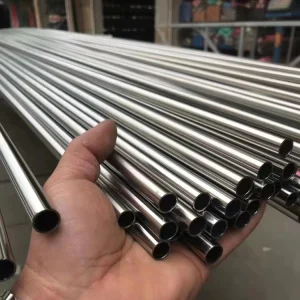
Industrial Stainless Steel Pipe & Tubing for Colombia Processing Plants
Inquire Pipe Sizes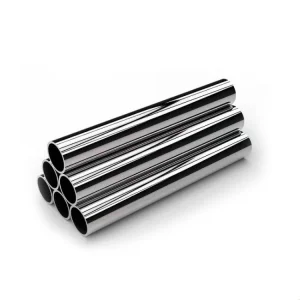
Custom Decorative Stainless Steel Tubing for Commercial Architecture in Bogotá
Explore Designs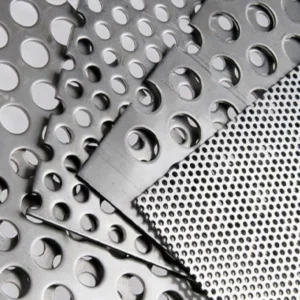
High-Quality Perforated Stainless Steel Sheet Mesh for Coffee & Agricultural Sieves
Request Wholesale Price
CE Certified Stainless Steel Perforated Screen Plates for Colombian Mining & Filtration
View CE Specs
CE Certified 201 Stainless Steel Strip Coils – Factory Direct Discounts for Latin America
Get Volume Discount
Custom Slit 201 Stainless Steel Coils for Medellín Industrial Stamping Operations
Custom Slitting Quote
Industrial Grade Perforated Stainless Steel Sheet Mesh for Facades & Architectural Panels
View Mesh Solutions
Heavy Wall Stainless Steel Industrial Welded Pipe for Fluid Transport in Cali & Barranquilla
Contact Piping EngineerOptimize Your Stainless Steel Supply Chain to Colombia
Connect directly with our metallurgical engineers and international trade specialists for fast quotations, mill test certificates, and ocean freight logistics to Cartagena and Buenaventura.
Send Inquiry Now