The Economic Context of Bangladesh’s Industrial Transformation
As Bangladesh transitions from LDC (Least Developed Country) status toward Vision 2041, its manufacturing, processing, and structural sectors are undergoing an unprecedented capital expansion program.
Bangladesh has emerged as one of South Asia’s fastest-growing economies. Fueled by mega-infrastructure ventures—such as the Padma Bridge Rail Link, Dhaka Metro Rail (MRT), Matarbari Deep-Sea Port, and Rooppur Nuclear Power Plant—the demand for high-tensile, anti-corrosive structural materials has surged. Industrial sectors across Dhaka, Chittagong, Narayanganj, Gazipur, and Khulna require continuous, reliable access to high-grade stainless steel products, seamless piping, and cold-rolled precision coils.
To support this growth, global supply chains must align with Bangladesh’s specific environmental and regulatory requirements. The humid tropical climate and saline coastal air along the Bay of Bengal present extreme corrosion challenges. As a result, industrial planners are shifting away from conventional mild steel toward advanced austenitic, ferritic, and duplex stainless steel grades.
High-Demand Industrial Stainless Steel Products in Bangladesh
Top-rated factory supplies engineered for heavy industrial deployment, structural manufacturing, and process engineering across Bangladesh.
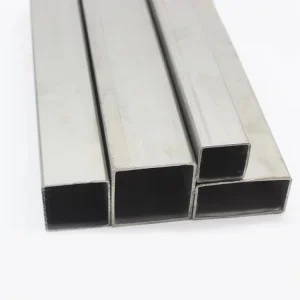
Custom Prime Quality 201 Stainless Steel Pipe - Durable & Aesthetic Bangladesh Selection
Request Factory Quote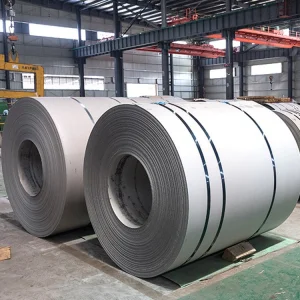
Wholesale Hot Rolled Stainless Steel Coil - Heavy-Duty Industrial Grade for Bangladesh Manufacturing
Request Factory Quote
Industrial Welded Stainless Steel Pipe - Wide Specifications for Bangladesh Infrastructure & Utilities
Request Factory Quote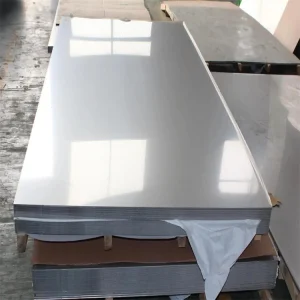
Custom Cold Rolled Stainless Steel Sheet - High Strength & Corrosion Resistant Material for Bangladesh
Request Factory QuoteKey Industrial Verticals Driving Material Demand in Bangladesh
Detailed metallurgical mapping across Ready-Made Garments (RMG), Shipbuilding, Pharmaceuticals, and Heavy Infrastructure.
RMG & Textile Processing
Bangladesh’s multi-billion dollar RMG industry relies heavily on wet-processing machines, textile dyeing vessels, and boiler pipelines. These systems require high-grade AISI 316L stainless steel tubes to resist chemical corrosion caused by caustic soda, bleaching agents, and dye bath concentrates at elevated temperatures.
Shipbuilding & Maritime Yards
Concentrated around Chittagong and Khulna, shipyards such as Western Marine Shipbuilding require marine-grade Duplex 2205 and 2507 plates. These materials provide the high Pitting Resistance Equivalent Number (PREN ≥ 40) needed to endure harsh seawater exposure and saltwater splash zones.
Pharmaceutical Cleanrooms
As a global exporter of generic drugs, Bangladesh’s pharmaceutical giants (e.g., Square, Incepta, Beximco) enforce strict hygienic piping standards. High-purity SUS304/304L and 316L electropolished tubes ensure zero contamination, smooth inner surface finish (Ra < 0.4 µm), and complete compliance with cGMP rules.
Technical Alloy Performance Roadmap for B2B Procurement
Engineers and procurement teams in Bangladesh can compare mechanical properties, chemical composition, and ideal regional use cases using the benchmark table below.
| Steel Grade | Chemical Profile | Tensile / Yield (MPa) | PREN Value | Bangladesh Industrial Application |
|---|---|---|---|---|
| AISI 201 | 16-18% Cr, 3.5-5.5% Ni, 5.5-7.5% Mn | ≥ 520 / ≥ 275 | ~ 17 | Indoor architectural handrails, decorative furniture, bus body structural frames. |
| AISI 304 / 304L | 18-20% Cr, 8-10.5% Ni, <0.03% C (304L) | ≥ 515 / ≥ 205 | ~ 19 | Food processing, commercial kitchens, structural ducting, water storage tanks. |
| AISI 316 / 316L | 16-18% Cr, 10-14% Ni, 2-3% Mo | ≥ 485 / ≥ 170 | ~ 25 | Textile dyeing vats, chemical process lines, marine hardware, pharmaceutical tubing. |
| Duplex 2205 | 22% Cr, 5% Ni, 3% Mo, 0.18% N | ≥ 620 / ≥ 450 | ~ 35 | Shipbuilding hulls, offshore oil platforms, fertilizer storage vessels, coastal bridges. |
| Super Duplex 2507 | 25% Cr, 7% Ni, 4% Mo, 0.27% N | ≥ 750 / ≥ 550 | ≥ 42 | Seawater desalination plants, power plant cooling loops, high-salinity marine setups. |
Navigating Pitting & Crevice Corrosion in Chittagong Coastal Zones
In coastal industrial zones like Chittagong, Cox’s Bazar, and Mongla, ambient atmospheric chloride levels regularly exceed 300 mg/m²/day. Standard carbon steel corrodes rapidly under these conditions. Selecting stainless steel with an appropriate Pitting Resistance Equivalent Number (PREN = %Cr + 3.3x%Mo + 16x%N) is essential for preventing structural failure and ensuring long-term performance.
Local Compliance, BSTI Standards & Letter of Credit (L/C) Procedures
A streamlined roadmap for Bangladeshi importers navigating customs regulations, NBR tariffs, and international trade documentation.
L/C Authorization Form (LCAF)
Importing steel into Bangladesh requires opening an Irrevocable Letter of Credit through authorized dealer banks (e.g., Sonali Bank, Eastern Bank, HSBC). Invoices must clearly state the HS Code, alloy chemistry, heat number, and mill source.
BSTI & Customs Verification
The Bangladesh Standards and Testing Institution (BSTI) mandates strict adherence to international standard equivalents (ASTM A240, ASTM A312, EN 10088-2, JIS G4304). Mill Test Certificates (MTC EN 10204 3.1) are required for fast port clearance.
NBR Customs Duty Structure
The National Board of Revenue (NBR) sets customs duties based on raw coil versus finished pipe status. Sourcing high-yield precision coil or primary welded pipe reduces tariff risk and optimizes landing cost per metric ton.
Complete Factory Direct Portfolio for Bangladesh Projects
Explore our full line of stainless steel sheets, coils, strips, and structural pipes. Engineered for Bangladesh’s manufacturing and construction demands.
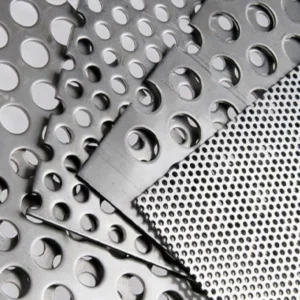
Custom Perforated Stainless Steel Sheet - Custom Metal Mesh Products for Bangladesh Architectural Facades
Request Factory Quote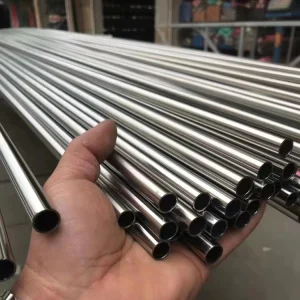
Wholesale Stainless Steel Pipe Factory Direct - Material Certification & Processing for Bangladesh Buyers
Request Factory Quote
SUS304/304L Stainless Steel Strip - Precision Cold Rolled Coil for Bangladesh Manufacturing & Fabrication
Request Factory Quote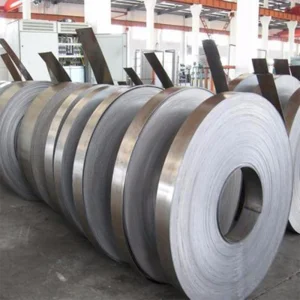
High Quality 201 Stainless Steel Strip/Coil - Excellent Ductility & Hardness for Bangladesh Factory Use
Request Factory Quote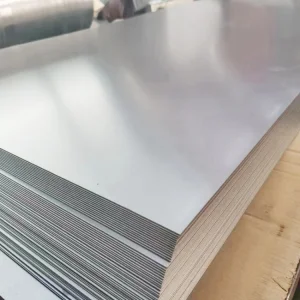
Cost-Effective 201 Cold Rolled Stainless Steel Sheet – Accurate Thickness & Performance for Bangladesh Importers
Request Factory Quote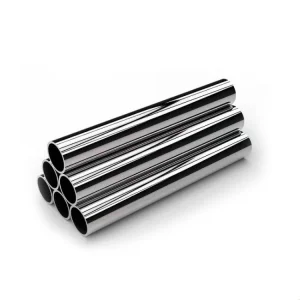
Stainless Steel Decorative Pipe - Exquisite Mirror Finish Designs for Architectural Projects in Dhaka
Request Factory Quote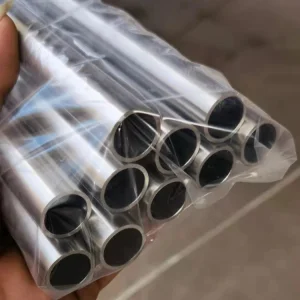
SUS304/304L Ultra-Low Carbon Stainless Steel Pipe - Superior Weldability & Chemical Resistance for Bangladesh
Request Factory Quote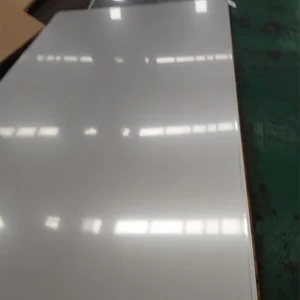
2507 Super Duplex Stainless Steel Plate - Extreme Strength & Chloride Resistance for Marine Projects in Chittagong
Request Factory QuoteTechnical Outlook & Sustainable Green Steel Supply Chains
Future-proofing raw material procurement for Bangladesh’s evolving environmental standards and industrial energy transitions.
1. Decarbonization and "Green Steel" Standards
Global buyer networks, especially European fashion brands sourcing from Bangladesh RMG factories, are introducing strict Scope 3 carbon emission requirements. Stainless steel produced in Electric Arc Furnaces (EAF) using recycled scrap generates up to 70% lower CO2 emissions than traditional blast-furnace routes. Transitioning to certified low-carbon steel helps factories lower their carbon footprint and maintain compliance with international ESG frameworks.
2. Precision Cold-Rolling & Weight-Saving Alloys
Modern engineering projects in Dhaka and Chittagong are increasingly adopting high-strength duplex alloys (e.g., 2205). By leveraging yield strengths up to twice those of conventional 304/316 grades, structural engineers can thin wall sections without sacrificing load capacity or safety margins—reducing overall material weight and freight costs.
3. End-to-End Supply Chain Traceability via IoT
Leading Chinese stainless steel mills now issue digital Material Test Reports (e-MTRs) embedded with QR codes linked directly to mill heat numbers. This gives Bangladeshi customs agents, quality inspectors, and project managers real-time, tamper-proof verification of chemical composition and physical test results.
Technical & Procurement FAQ for Bangladesh Importers
Clear, authoritative answers regarding shipping routes, payment terms, quality inspections, and grade choices.
What are the typical sea freight transit times from China ports to Chittagong or Mongla?
How do I verify the alloy chemistry before opening a Letter of Credit (L/C)?
Which stainless steel grade is recommended for coastal infrastructure in Cox’s Bazar or Chittagong?
Can steel pipes and coils be customized to non-standard outer diameters or wall thicknesses?
What protection measures are used to prevent rust during sea freight through humid tropical waters?
Are your stainless steel products compliant with Bangladesh Standards and Testing Institution (BSTI)?
What is the minimum order quantity (MOQ) for factory-direct quotes to Bangladesh?
How can Bangladeshi buyers request an official Proforma Invoice (PI) for LCAF opening?
Accelerate Your Industrial Project in Bangladesh
Work directly with certified Chinese steel mills to secure competitive pricing, guaranteed chemical compositions, and fast sea freight shipping to Chittagong and Mongla ports.