Featured Commercial Stainless Steel Inventory
Explore mill-certified raw structural, decorative, and fluid control piping configurations engineered for immediate global dispatch.
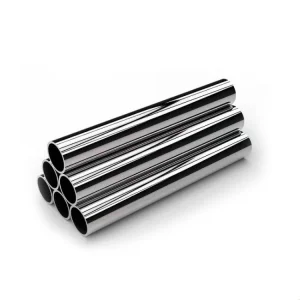
CE Certification Stainless Steel Decorative Pipe Supplier, Quotes
Request Quote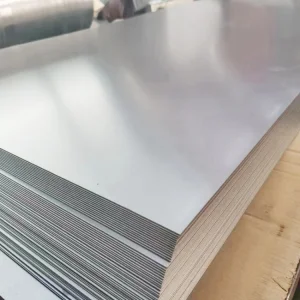
Custom China 316L Stainless Steel Sheet - High-Quality Supplier and Trusted Factory Supplier, Pricelist
Request Quote
Custom High Cost-effective 201 Cold Rolled Stainless Steel Sheet - China Suppliers and Factory Supplier, Factory
Request Quote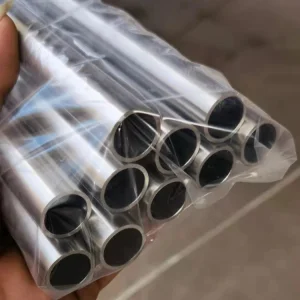
CE Certification China SUS304/304L Ultra-Low Carbon Stainless Steel Pipe Suppliers - Superior Corrosion Resistance & Welding Performance
Request Quote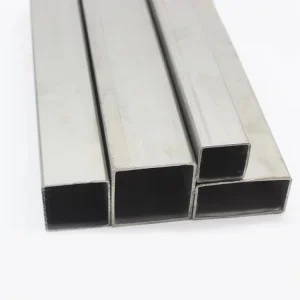
CE Certification Prime Quality 201 Stainless Steel Pipe from China Suppliers | Durable, Glossy Tubes for Stairs and Guardrails
Request Quote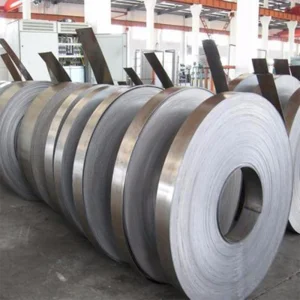
Wholesale High-Quality 201 Stainless Steel Strip/Coil from China Suppliers - Reliable Factory for Your Various Needs
Request Quote
Wholesale Prime Quality 201 Stainless Steel Pipe from China Suppliers | Durable and Stylish Factory-Direct Solutions
Request Quote
Custom 316L Stainless Steel Sheet from China Suppliers - High Quality Factory Direct Products Manufacturers, Pricelist
Request QuoteGlobal Industrial Landscape of Stainless Steel Tubing
Analyzing structural demand shifts, raw material pricing volatility, and international supply chain evolution.
Supply & Demand Macro-Dynamics
The global demand for high-performance wholesale stainless steel pipe supplies is undergoing unprecedented expansion. Driven by rapid urbanization across emerging markets, offshore energy transition projects, and stringent hygienic mandates in food and pharmaceutical processing, enterprise buyers face an increasingly complex sourcing environment. Volatility in raw alloying elements—specifically Nickel (Ni), Molybdenum (Mo), and Chromium (Cr)—requires procurement officers to adopt strategic hedging mechanisms and establish direct connections with integrated manufacturing entities.
Corrosion Science & PREN Indices
Modern engineering contracts prioritize lifetime yield cost over initial purchase prices. In marine, petro-chemical, and desalinization environments, selecting the precise alloy composition dictates asset survival. The Pitting Resistance Equivalent Number (PREN = %Cr + 3.3%Mo + 16%N) serves as the industry's critical quantitative benchmark. Enterprise procurement teams utilize PREN ratings to navigate between standard cost-effective austenitic grades (such as SUS304 and 316L) and specialized high-strength Duplex (2205) or Super Duplex (2507) alloys.
Supply Chain Resiliency
Geopolitical rebalancing and freight market fluctuations have compelled global distributors to transition from fragmented intermediate traders toward vertically integrated Chinese steel manufacturing clusters. Direct mill sourcing eliminates multi-tiered markups, ensures standardized dimensional tolerances under ASTM, EN, and JIS frameworks, and secures verified Material Test Certificates (MTCs conforming to EN 10204 3.1) essential for institutional regulatory compliance.
Metallurgical Engineering & Material Grade Matrix
Comprehensive technical breakdown of alloy families, chemical compositions, and mechanical capabilities for institutional specification.
| Alloy Grade | Structure & Class | Chemical Composition Key | Mechanical Strength (Tensile/Yield) | Primary Industrial Application |
|---|---|---|---|---|
| AISI / SUS 201 | Austenitic (Cr-Mn-Ni) | 16-18% Cr, 3.5-5.5% Ni, 5.5-7.5% Mn | ≥ 520 MPa / ≥ 275 MPa | Architectural trim, interior guardrail, cost-sensitive decorative tubing. |
| AISI / SUS 304 | Austenitic (Cr-Ni) | 18-20% Cr, 8-10.5% Ni | ≥ 515 MPa / ≥ 205 MPa | General fluid conveyance, food processing, structural framework, HVAC. |
| AISI / SUS 304L | Ultra-Low Carbon Austenitic | 18-20% Cr, 8-12% Ni, C ≤ 0.03% | ≥ 485 MPa / ≥ 175 MPa | Heavy-wall welded piping, chemical vessels, intergranular corrosion mitigation. |
| AISI / SUS 316L | Molybdenum-Bearing Austenitic | 16-18% Cr, 10-14% Ni, 2-3% Mo | ≥ 485 MPa / ≥ 170 MPa | Marine fittings, pharmaceutical lines, high-chloride processing environments. |
| AISI / SUS 310S | High-Temperature Austenitic | 24-26% Cr, 19-22% Ni | ≥ 515 MPa / ≥ 205 MPa | Heat exchangers, furnace exhaust tubing, thermal processing equipment. |
| AISI / SUS 430 | Ferritic (Nickel-Free) | 16-18% Cr, C ≤ 0.12% | ≥ 450 MPa / ≥ 205 MPa | Magnetic decorative trims, domestic kitchen appliances, dry atmosphere duty. |
| Duplex 2205 (UNS S31803) | Austenitic-Ferritic Duplex | 21-23% Cr, 4.5-6.5% Ni, 2.5-3.5% Mo | ≥ 625 MPa / ≥ 450 MPa | Oil & gas extraction, pressure equipment, stress-corrosion cracking defense. |
| Super Duplex 2507 | High-Alloy Super Duplex | 24-26% Cr, 6-8% Ni, 3-5% Mo, 0.24-0.32% N | ≥ 750 MPa / ≥ 550 MPa | Seawater reverse osmosis, offshore rigs, severe chemical scrubber towers. |
Cold-Rolling & Surface Finish Control
From hot-rolled No.1 surface finish suited for industrial scale-resistant structures, to high-precision cold-rolled 2B, BA (Bright Annealed), hairline, and 8K mirror polish, controlling surface roughness (Ra) is imperative. Low Ra value minimizes bacterial adhesion in sanitary tubing and reduces fluid drag co-efficients in high-velocity transport networks.
Welding Dynamics & Heat Treatment
Modern welded pipe production utilizes continuous TIG (Tungsten Inert Gas), Laser, and High-Frequency Induction Welding techniques. Ultra-low carbon variants (304L / 316L) eliminate chromium carbide precipitation during thermal cycling, preventing intergranular decay in weld heat-affected zones (HAZ) without requiring post-weld solution annealing.
China's Industrial Manufacturing Hub & Cost Efficiency
Why sourcing directly from Jiangsu & Wuxi metal production ecosystems delivers unrivaled commercial scalability.
Tier-1 Primary Mill Feedstock Integration
Our direct operational integration with premier primary steel mills—such as Tsingshan Holding Group, TISCO (Taiyuan Iron & Steel), POSCO, and Baosteel—guarantees uninterrupted raw coil feedstock supply. By bypassing secondary intermediate traders, we maintain rigid quality governance from raw nickel-pig-iron smelting to final tube extrusion, securing highly competitive base material costs.
Automated High-Capacity Lines
Operating over 80+ continuous high-speed welded tube production lines, alongside automated flattening, precision slitting, and deep processing workshops, our facility maximizes yield ratios. Advanced online eddy current detection and automated laser-guided wall-thickness monitoring minimize material waste, translating directly into optimized per-ton buyer quotes.
Deep OEM/ODM Processing Capabilities
Global procurement requires tailor-made modifications. We offer comprehensive value-added fabrication services, including custom slitting, hydraulic bending, end threading, beveling, mechanical mirror polishing (up to 1000 Grit), protective film lamination, precision laser hole perforation, and custom decorative embossing—all executed under a unified quality assurance protocol.
Localized Application Scenarios & Engineering Deployment
Targeted material solutions engineered to withstand specialized environmental stress factors across diverse global sectors.
Offshore Energy & Marine Infrastructure
Offshore oil platforms, coastal desalination facilities, and shipbuilding projects require high chloride-ion stress-corrosion resistance. Utilizing Duplex 2205 and Super Duplex 2507 seamless and heavy-welded pipe ensures immunity to localized pitting and crevice corrosion under high salinity and pressure conditions.
Sanitary Food, Beverage & Pharma Lines
Hygienic process fluid systems demand smooth internal surfaces to prohibit bacterial colonization. Our ultra-low carbon SUS304L and SUS316L sanitary tubes feature internal mechanical or electro-polished finishes (Ra < 0.4 μm), delivering full compliance with international sanitary standards for dairy, brewery, and pharmaceutical processing.
Architectural Facades & Urban Infrastructure
Urban architectural projects rely on structural visual appeal alongside atmospheric weatherability. Grade 201 and 304 decorative tubes—available in round, rectangular, square, and custom slotted profiles with brushed hairline or PVD color coatings—serve as essential structural framing for handrails, curtain walls, and transit hubs.
Global B2B Procurement & Technical Quality Assurance
Strict verification protocols ensuring complete international standard compliance, material traceability, and risk-free sea logistics.
Full Inspection Spectrum & NDT Testing
Every industrial pipe batch undergoes rigorous quality testing before factory exit. Non-Destructive Testing (NDT)—including continuous online Eddy Current inspection and Hydrostatic Pressure testing up to 20 MPa—guarantees weld integrity. Positive Material Identification (PMI) via X-ray fluorescence spectroscopy verifies precise alloying chemical limits prior to release.
EN 10204 3.1 Certified Documentation
International compliance demands transparent documentation. Orders are accompanied by authentic EN 10204 3.1 Material Test Certificates (MTC) detailing chemical heat analysis, yield/tensile strength, elongation values, hardness measurements, intergranular corrosion testing (ASTM A262 Practice E), and grain size metrics.
Seaworthy Heavy Export Packaging
Long-distance maritime logistics require superior protective packaging. Stainless steel tubes and plates are bundled using plastic end caps, wrapped in anti-waterproof woven sheets, reinforced with heavy steel strapping, and loaded into wooden crates or protective steel frames to mitigate saltwater oxidation, mechanical abrasion, and transport deformation.
Future Trends & Technological Innovations in Stainless Steel
Navigating the evolution toward green metallurgy, high-strength weight reduction, and AI-driven quality governance.
Decarbonization & Green Stainless Production
Global climate targets are accelerating the adoption of green stainless steel production. Leading Chinese manufacturing clusters are shifting toward Electric Arc Furnace (EAF) recycling powered by renewable energy sources, drastically lowering Scope 1 and Scope 2 carbon footprints while preserving identical chemical purity and corrosion resistance.
Ultra-Thin High-Strength Duplex Replacement
Engineering designs increasingly favor high-yield Duplex alloys over traditional 300-series austenitic grades. Duplex 2205 offers twice the yield strength, enabling structural wall-thickness reductions of up to 30% in fluid pipelines, thereby significantly lowering total project tonnage, freight costs, and structural payload weight.
AI-Powered Weld Quality Monitoring
Integrating real-time machine vision inspection and AI acoustic emission analysis onto continuous tube welding lines allows instantaneous detection of sub-millimeter micro-porosity and weld seam misalignments, assuring near-zero defect rates for high-stress hydraulic lines.
Comprehensive Pipe, Sheet & Plate Inventory
Review our specialized factory supplies, custom processing options, and high-performance super duplex products.
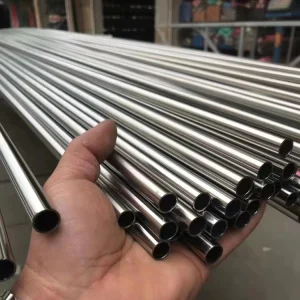
Wholesale China Stainless Steel Pipe Factory - Direct Supplies with Material Certification and Custom Processing Services
Request Quote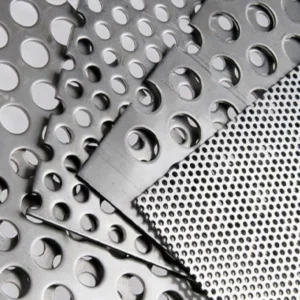
CE Certification Perforated stainless steel sheet Manufacturer, Suppliers
Request Quote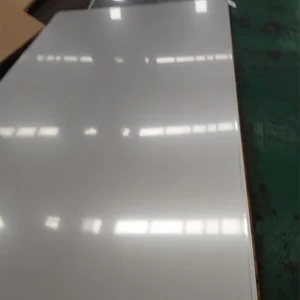
China China Super Duplex Steel Plate 2507 Suppliers - High Corrosion Resistance and Ultra-High Strength Factory Direct Supplier
Request Quote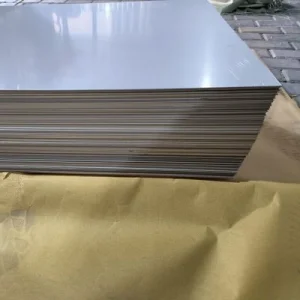
China SUS304 (06Cr19Ni10) stainless steel cold-rolled plate corrosion-resistant Factories, Factory
Request Quote
Custom Prime Quality 201 Stainless Steel Pipe - Durable & Aesthetic | China Suppliers & Factory for Stair Railings and Household Use
Request Quote
Custom China SUS304 Cold-Rolled Stainless Steel Plate Suppliers - Corrosion-Resistant Food Grade Factory Quality
Request Quote
CE Certification China Stainless Steel Pipe Direct Factory Suppliers - MTC Certified, Full Specifications Available
Request Quote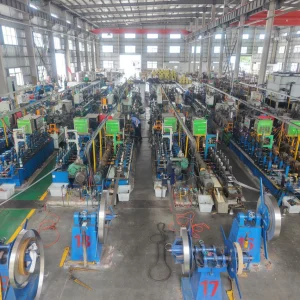
Custom SUS304/304L Stainless Steel Strip from China Factory - Top Suppliers for Precision Machining and Fluid Pipelines
Request QuoteIndustrial Procurement FAQ & Technical Q&A
Direct expert responses addressing key search intent, compliance requirements, pricing structures, and engineering parameters.
What is the primary operational distinction between welded and seamless stainless steel pipe?
Welded pipes are formed by continuously rolling strip or sheet feedstock into a tubular shape and longitudinal seam welding via TIG, Laser, or High-Frequency welding. They offer superior dimensional wall-thickness uniformity, high surface finish quality, and cost efficiency. Seamless pipes are produced by hot-piercing solid steel billets, eliminating longitudinal weld seams and rendering them preferable for extreme high-pressure, critical nuclear, or boiler environments. Modern inline annealing and non-destructive eddy current testing have made welded pipes virtually identical to seamless alternatives in standard fluid and structural pressure duty.
How do grade 304 and grade 316L compare in aggressive chemical applications?
Grade 304 contains ~18% Chromium and ~8% Nickel, providing exceptional resistance in standard atmospheric, architectural, and mild food-acid environments. Grade 316L incorporates 2% to 3% Molybdenum and maintains an ultra-low carbon profile (C ≤ 0.03%). The addition of Molybdenum elevates the PREN rating from ~19 to ~25, conferring superior resistance against chloride-induced pitting, marine salt spray, and localized crevice corrosion in acidic chemical processing environments.
What documentation and mill certificates accompany international shipments?
All factory direct wholesale orders ship complete with EN 10204 3.1 Certified Material Test Certificates (MTC). These documents verify raw heat traceability back to primary mills (such as Tsingshan or TISCO), confirming ladle chemical composition, mechanical yield/tensile metrics, hardness, flattening/flaring test results, hydrostatic test pressures, and non-destructive testing verification compliance.
What parameters influence wholesale stainless steel pipe pricing quotes?
Bulk pricing quotes are primarily governed by international LME/SFE raw metal nickel and molybdenum commodity spot prices, chosen alloy grade, outer diameter (OD) to wall thickness (WT) tolerance parameters, surface finish specifications (e.g., BA, 8K mirror, or hairline polishing), and order volume tonnage. Sourcing directly from Chinese integrated processing factories minimizes intermediary agency commissions, securing direct factory-gate pricing terms.
What dimensional standards and tolerances can be requested?
We manufacture strictly in accordance with major international standard frameworks, including ASTM A240, ASTM A312, ASTM A554, EN 10088-2, EN 10217-7, and JIS G4304/G3459. Dimensional tolerances on outer diameter, wall thickness, ovality, and straightness are pre-confirmed in writing prior to continuous production rolling, ensuring seamless fit-up during field fabrication.
Why is Grade 201 preferred for cost-sensitive structural and decorative projects?
Grade 201 substitutes a portion of expensive Nickel with Manganese and Nitrogen. While this lowers resistance in severe outdoor or marine environments, it yields a high work-hardening rate, excellent mechanical tensile strength, and bright visual polishes at significantly reduced cost. This makes 201 an economical selection for indoor architectural stair railings, furniture frameworks, and decorative curtain hardware.
How does Super Duplex 2507 perform in reverse osmosis desalination plants?
Super Duplex 2507 features 25% Chromium, 7% Nickel, and 4% Molybdenum with Nitrogen alloying, yielding an exceptionally high PREN index (> 42). In high-pressure seawater reverse osmosis (SWRO) piping systems, 2507 provides total immunity to chloride pitting and high yield strength, preventing premature failure and allowing thinner wall tubing designs compared to 316L.
What steps are taken to prevent damage during ocean transit?
Standard export packaging includes protective end caps on all open pipe ends, individual plastic sleeving for high-polish tubes, anti-corrosion barrier wrapping, and external heavy-duty wood or steel box framing. Moisture absorbers are placed within container shipments to prevent condensation staining during maritime transit across changing temperature zones.