Custom High Cost-effective 201 Cold Rolled Stainless Steel Sheet - China Suppliers and Factory Supplier, Factory
Product Description
While ensuring good corrosion resistance and mechanical performance, the cost is significantly lower than that of 304 material, making it a wise choice for careful planning.
The thickness range covers 0.3mm to 3.0mm, with precise tolerances, meeting different strength requirements from precision parts to structural supports.
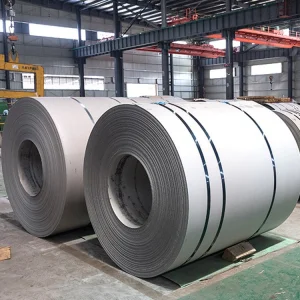
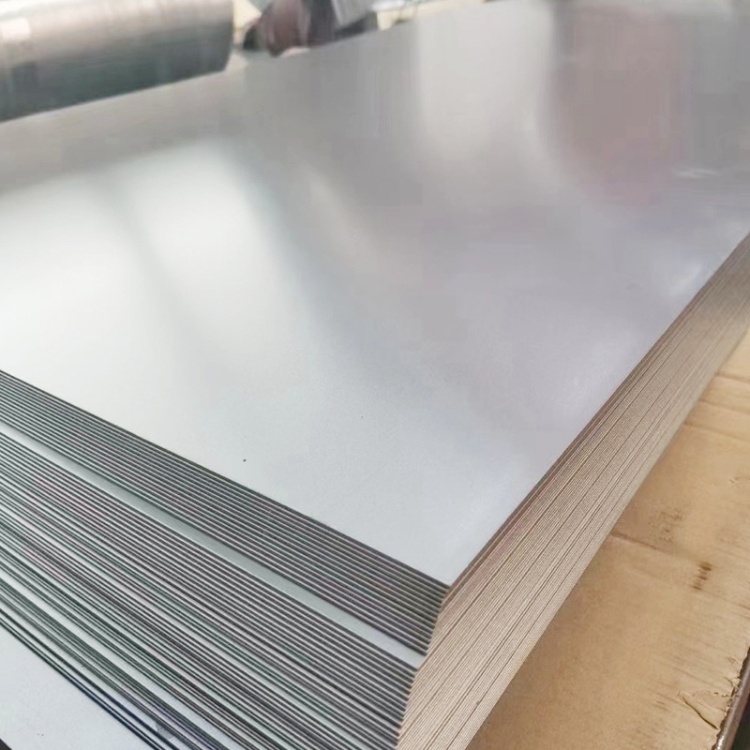
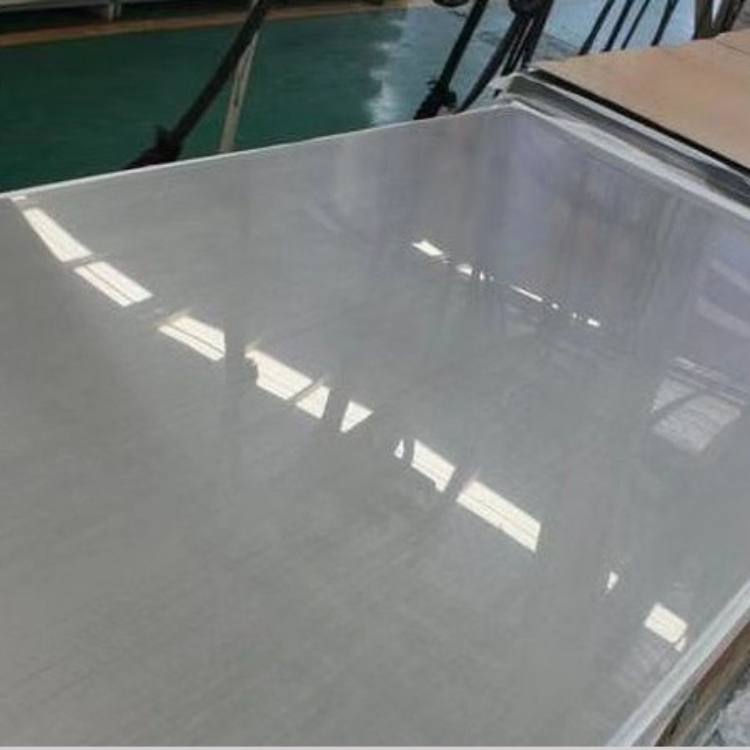
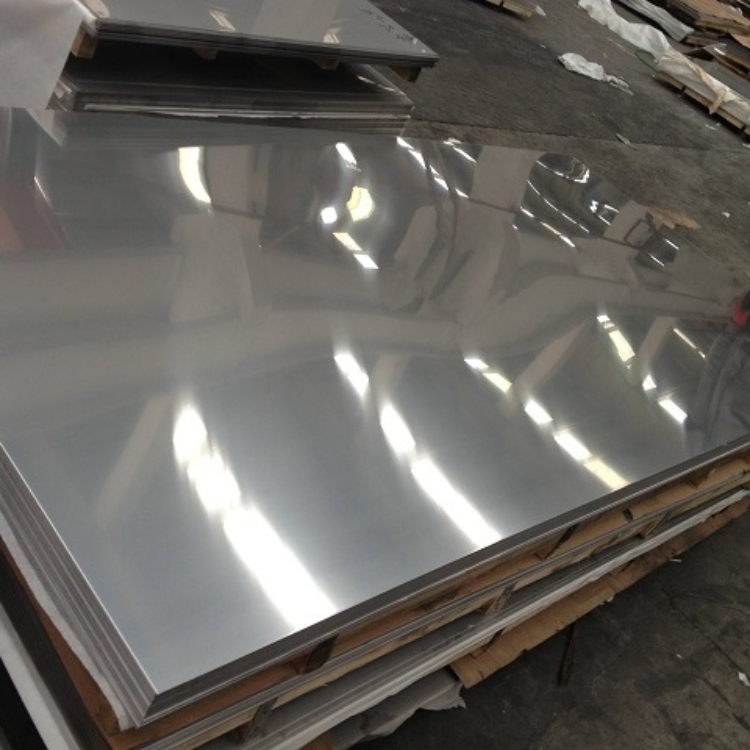
Cold rolling process brings a smooth and flat surface, good glossiness, no defects, and can be directly used for appearance parts or as processing substrates.
It has good ductility and toughness, is easy to cut, fold, punch, press, weld and other mechanical processing, and has good forming effect.
A versatile product that can handle various scenarios such as mechanical manufacturing, architectural decoration, advertising, etc. with ease.
| Parameter Project | Parameter Details |
|---|---|
| Material Grade | 201 (Old national standard grade: 1Cr17Mn6Ni5N) |
| Standards | GB/T 3280, JIS G4305, ASTM A240 |
| Supply Status | Cold rolling/annealing, acid washing (polished surfaces such as 2B, BA, etc. can be provided according to demand) |
| Thickness Range | 0.3mm, 0.4mm, 0.5mm, 0.6mm, 0.8mm, 1.0mm, 1.2mm, 1.5mm, 2.0mm, 2.5mm, 3.0mm (customizable) |
| Common Widths | 1000mm, 1219mm (4 feet), 1500mm (can be divided into strips according to requirements) |
| Main Characteristics | Include a certain degree of acid and alkali corrosion resistance, high strength, hardness better than 304, and good weldability |
Applicable Scenarios: Equipment casings, sheet metal chassis, structural components, metal stamping parts, food machinery components, conveyor belt accessories, etc.
Advantages: Good processing performance ensures part accuracy, sufficient strength ensures structural stability, and the surface is easy to clean and maintain.
Applicable Scenarios: Indoor structural components, elevator cars, door and window accessories, baseboards, anti-theft nets, stair handrails, etc.
Advantages: Providing reliable support and protection for internal structures, high cost-effectiveness, and controlling project costs.
Applicable Scenarios: Hotels, shopping malls, home wall decoration, ceiling, door frames, columns, kitchen and bathroom utensils, etc.
Advantages: Smooth and bright surface with a strong sense of modernity. Supports titanium plating, sandblasting, and etching processes.
Applicable Scenarios: Advertising characters (laser cutting), signage base plates, spirit fortress skeletons, bulletin boards, exhibition stands, etc.
Advantages: Flat board surface, easy to spray and paste, sturdy skeleton structure, and good outdoor durability in non-corrosive settings.

We use high-precision rolling mills to ensure that the thickness of each steel plate is uniform and consistent, with tolerances controlled strictly within national standards.

After a complete annealing and acid washing process, the surface is clean, without scratches, roller marks, oxidation, or color difference.

Strict composition control and advanced production processes ensure that the mechanical properties of the material are stable and reliable.

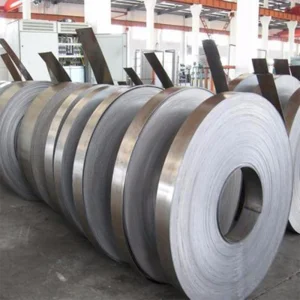
We can provide customized cutting services such as tablets and strips, reducing your processing steps and saving costs and lead time.
- 0.3mm - 0.8mm: Suitable for decorative surfaces, shielding covers, lightweight shells, and non-load-bearing applications.
- 1.0mm - 1.5mm: Ideal for chassis cabinets, advertising letters, door/window accessories, and medium-strength structural components.
- 2.0mm - 3.0mm: Recommended for load-bearing structures, equipment bases, heavy-duty frames, and high-strength applications.
Important Notice:
① 201 stainless steel is suitable for dry indoor environments and mildly corrosive environments. For humid environments or coastal areas with high chloride content, 304 or 316L stainless steel is strongly recommended.
② Please use specialized tools and lubricants during mechanical processing to achieve optimal results.
③ If you require special surface finishes such as mirror finish or brushed finish, please notify us in advance.
A: 201 stainless steel offers excellent cost-effectiveness. It provides a good balance of strength, hardness, and basic corrosion resistance at a significantly lower cost compared to 304 material, making it ideal for indoor structural and decorative applications.
A: It is not recommended for coastal or highly corrosive outdoor environments. 201 stainless steel is best suited for dry indoor settings or mildly corrosive environments. For high-humidity or chemical applications, 304 or 316L stainless steel is highly recommended.
A: Due to its good ductility and toughness, it can be easily cut, folded, punched, pressed, and welded. It responds well to standard mechanical processing and forming methods.
A: Yes, we provide customized cutting services including tablets and strips to reduce your processing steps, save time, and control material costs.
A: Our standard supply is cold rolled, annealed, and acid washed (such as 2D/2B finish). Depending on your requirements, polished surfaces such as BA or brushed finishes can also be provided upon request.
A: All stainless steel sheets are protected with surface film, wrapped in waterproof paper, and fastened with steel bands on sturdy wooden pallets to prevent damage during transit.