
Mill-Direct Stainless Steel Products & Components
Explore our premium factory-direct stainless steel supply lines spanning cold-rolled plates, decorative piping, and structural alloys manufactured to rigorous international standards.

Custom China SUS304 Cold-Rolled Stainless Steel Plate Suppliers - Corrosion-Resistant Food Grade Factory Quality Manufacturers, Pricelist
View Specifications & Quote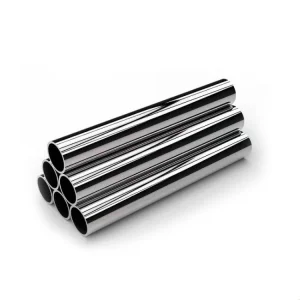
CE Certification Stainless Steel Decorative Pipe Supplier, Quotes
View Specifications & Quote
Custom 316L Stainless Steel Sheet from China Suppliers - High Quality Factory Direct Products Manufacturers, Pricelist
View Specifications & Quote
Custom 2507 Super Duplex Steel Plate Supplier, Quotes
View Specifications & Quote
Custom High-Quality Stainless Steel Decorative Pipe from China Suppliers and Factory - Exquisite Designs and Finishes Factory, Quotes
View Specifications & Quote
China SUS304/304L Lower Carbon Stainless Steel Pipe - China Suppliers & Factory for Corrosion Resistance & Welding Performance Suppliers, Factory
View Specifications & Quote
Custom China 201 Stainless Steel Pipe Suppliers - Premium Quality Glossy Tubes for Stairs and Guardrails from Factory Manufacturer, Pricelist
View Specifications & Quote
China China Factory Suppliers for 316L Stainless Steel Sheet - High-Quality and Durable Metal Solutions Supplier, Suppliers
View Specifications & QuoteWholesale Stainless Steel Pipe Rates Today: Real-Time Market Realities
A comprehensive examination of raw material fluctuations, alloying surcharges, and global industrial procurement dynamics shaping current SS tube and pipe pricing.
Navigating the global stainless steel piping market requires an intimate understanding of metallurgical economics, supply chain logistics, and industrial specifications. The benchmark metric—wholesale ss pipe rate today—is not a static figure; it represents a convergence of raw alloying element costs (nickel, chromium, molybdenum), energy-intensive electric arc furnace (EAF) processing, and precision cold-finishing operations. For procurement managers, engineering EPC contracts, and stockists worldwide, evaluating today's rates demands analyzing underlying market drivers.
In recent years, structural shifts in global steelmaking—specifically the integration of Nickel Pig Iron (NPI) from Indonesia and high-efficiency continuous casting technologies across major Chinese production hubs like Wuxi—have redefined the cost basis for austenitic (300 series) and ferritic (400 series) tubular products. Despite supply chain stabilization, daily pricing fluctuates based on localized demand cycles, export tariff adjustments, and carbon border adjustment mechanisms (CBAM) entering major Western markets.
Grade-by-Grade Cost Drivers & Performance Indexes
Quantitative breakdown of alloy compositions, relative price coefficients, and structural application suitability across standard commercial stainless steel grades.
| Alloy Grade | Nominal Composition | PREN Index | Cost Sensitivity | Primary Industrial Applications |
|---|---|---|---|---|
| AISI 201 | 16-18% Cr, 3.5-5.5% Ni, 5.5-7.5% Mn | ~16.5 | Low (Manganese Substitution) | Architectural trim, guardrails, indoor decorative tubing, household handles |
| SUS304 / 304L | 18-20% Cr, 8-10.5% Ni, <0.03% C (304L) | ~19.0 | High (Nickel LME Sensitive) | Food & beverage processing, sanitary lines, architectural facades, general piping |
| SUS316 / 316L | 16-18% Cr, 10-14% Ni, 2-3% Mo | ~25.0 | Very High (Nickel & Moly Sensitive) | Marine fittings, chemical processing, pharmaceutical tubing, heat exchangers |
| AISI 310S | 24-26% Cr, 19-22% Ni | ~27.0 | Extreme (High Nickel & Chrome) | High-temperature furnace tubes, radiant tubes, heat-treating fixtures |
| AISI 430 | 16-18% Cr, 0% Ni (Ferritic) | ~16.0 | Moderate (Chromium Benchmark) | Automotive trim, kitchen appliance housings, dry indoor structural components |
| Duplex 2205 | 22% Cr, 5% Ni, 3% Mo, 0.18% N | ~35.0 | Balanced (High Yield Strength Offset) | Oil & gas flowlines, desalination plants, pressure vessels, chemical tankers |
| Super Duplex 2507 | 25% Cr, 7% Ni, 4% Mo, 0.28% N | >42.0 | Premium High-Performance | Offshore platform piping, aggressive chloride service, pollution control systems |
Pitting Resistance Equivalent (PREN)
Calculated via PREN = %Cr + 3.3(%Mo) + 16(%N), this standard metric indicates resistance to localized chloride pitting. Higher PREN values command premium wholesale rates due to specialized alloy additions.
Yield Strength vs. Wall Thickness
Duplex materials like 2205 offer twice the yield strength of traditional 304/316L, allowing engineers to specify thinner wall pipes (Schedule 10 vs. Schedule 40), effectively reducing total project tonnage and landed freight costs.
Raw Material Origin Lineage
Primary steelmaking feedstock sourced from tier-1 steel mills (such as Tsingshan, TISCO, POSCO, and Baosteel) ensures uniform chemistry, minimal non-metallic inclusions, and optimal weld line integrity.
Advanced Manufacturing Tech & Global Supply Trends
How automated continuous welding, laser finishing, and digital quality control are revolutionizing stainless steel pipe production and stabilizing wholesale pricing.
High-Frequency Plasma & TIG Welding
Modern automated tube mills employ combined TIG and Plasma welding technology, achieving 100% seam penetration without filler metals, ensuring joint efficiency equal to parent metal strength (Weld Factor V=1.0).
Online Eddy Current & Ultrasonic Testing
Nondestructive testing (NDT) is integrated directly onto high-speed mill lines. Eddy current sensors scan 100% of tube surfaces in real-time to detect micro-cracks, pinholes, or dimensional variations before bundling.
Precision Surface Finishing Technologies
From automated 8K mirror polishing to anti-fingerprint nanocoatings on decorative tubes, factory-controlled surface finishing eliminates secondary processing costs for architectural and appliance manufacturers.
Macro Solutions for B2B Purchasing Officers:
To mitigate volatile wholesale SS pipe rates, enterprise buyers are adopting long-term mill-direct supply agreements combined with strategic hedging against LME raw material indices. Sourcing directly from vertically integrated China manufacturers—operating dedicated slitting, rolling, and tube-forming facilities in Wuxi—provides price predictability, custom length sizing to eliminate scrap loss, and strict compliance with EN 10088-2, ASTM A240, and JIS G4304 standards.
Localized Application Scenarios & Engineering Specifications
Matching specific stainless steel grades, pipe schedules, and surface treatments to rigorous industrial service environments.
Chemical & Fluid Transport Lines
Recommended Grade: SUS316L / Duplex 2205
Key Requirement: Low carbon content (<0.03%) prevents intergranular corrosion during field welding. Molybdenum additions resist pitting in acidic and chloride-rich media. Typical standards include ASTM A312 / A269.
Architectural Guardrails & Structural Decor
Recommended Grade: AISI 201 / SUS304
Key Requirement: High aesthetic appeal with glossy, No.4 brushed, or 8K mirror polish. 201 offers economical indoor application, while 304 provides atmospheric weather resistance for exterior handrails.
Food, Dairy & Pharmaceutical Processing
Recommended Grade: SUS304 / SUS316L (Sanitary Tube)
Key Requirement: Internal surface roughness Ra < 0.4 µm achieved through mechanical polishing or electropolishing to prevent bacterial entrapment and ensure CIP (Clean-In-Place) compliance.
Heat Exchangers & High-Temp Furnaces
Recommended Grade: AISI 310S / SUS321
Key Requirement: High creep strength and continuous oxidation resistance up to 1150°C. Titanium stabilization in 321 prevents chromium carbide precipitation at high operating temperatures.
Wholesale Stainless Steel Sheets, Strips & Specialized Tubes
Complete your procurement requirement with our extended inventory of certified cold-rolled sheets, slit coils, structural strips, and custom handle tubes.
CE Certification High Cost-effectiveness 201 Cold Rolled Stainless Steel Sheet Supplier, Factories
View Specifications & Quote
Custom China SUS304 Stainless Steel Cold-Rolled Plate Supplier - Corrosion-Resistant Food Grade Factory Material Manufacturers, Factories
View Specifications & Quote
Wholesale High Cost-effective 201 Cold Rolled Stainless Steel Sheet from China Suppliers and Factory with Accurate Thickness Options Suppliers, Quotes
View Specifications & Quote
CE Certification China SUS304/304L Stainless Steel Strip Suppliers - High-Quality Factory-Direct Manufacturing for Premium Applications Quotes, Pricelist
View Specifications & Quote
CE Certification Corrosion-Resistant SUS304 Stainless Steel Cold-Rolled Plate from China Suppliers and Factory for Food Safety Supplier, Factory
View Specifications & Quote
China China SUS304 Cold-Rolled Stainless Steel Plate Suppliers | Factory Direct Food Grade Corrosion-Resistant Material Manufacturer, Quotes
View Specifications & Quote
CE Certification High-Quality SUS304/304L Stainless Steel Strips from China Suppliers - Premium Factory Source for Pipes and Luxury Decor Factory, Pricelist
View Specifications & Quote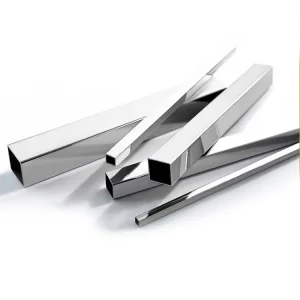
CE Certification Telescopic Stainless Steel Mop Handle Tube, Adjustable, 22mm OD, Anti-Fingerprint Manufacturers, Quotes
View Specifications & QuoteJiangsu Renzhi Holding Group: Mill Authority & Quality Systems
Operating out of Wuxi, Jiangsu—China's primary stainless steel distribution and processing hub—Renzhi Group integrates R&D, tube forming, precision slitting, and global export infrastructure under one roof.
Traceable Mill Certification
Every shipment is issued with EN 10204 3.1 Mill Test Certificates (MTC), certifying complete chemical composition, mechanical yield/tensile strength, elongation, and hydrostatic test results mapped to heat numbers.
Comprehensive Standard Compliance
Our welded and seamless pipes comply strictly with ASTM A240, ASTM A312, ASTM A269, EN 10088-2, EN 10217-7, and JIS G4304 standards, carrying CE mark compliance for European Union structural and pressure equipment directives.
Export Packaging Integrity
Heavy-duty sea freight packaging includes plastic end caps, moisture-proof synthetic wrapping, wooden crate bundling, and steel band strapping to guarantee zero mechanical damage or surface staining during ocean transit.
Wholesale SS Pipe Purchasing: Frequently Asked Questions
Expert insights addressing key commercial, technical, and logistical queries from international stainless steel buyers and engineering contractors.
How is the wholesale SS pipe rate calculated on a daily basis?
The daily wholesale rate combines the base metal price (determined by London Metal Exchange nickel and chromium futures), alloy surcharge indexes based on exact grade chemical composition, processing mill conversion fees, gauge/diameter tolerance factors, and applicable packing/export logistics tariffs.
What is the price difference between SUS304 and SUS316L welded pipes today?
Historically, SUS316L commands a 30% to 45% premium over SUS304. This price differential is primarily driven by 316L's 2-3% molybdenum content and higher nickel ratio (10-14% vs. 8-10.5%), both of which increase raw material costs while offering superior chloride pitting resistance.
Can 201 grade stainless steel pipe replace 304 for structural applications?
Grade 201 can replace 304 only in dry indoor environments or decorative applications (such as stair railings and interior furniture) where exposure to atmospheric moisture, coastal salt, or chemicals is non-existent. For outdoor or industrial fluid service, 304 or 316L is essential to prevent premature rust and pitting.
What quality certifications are supplied with factory-direct stainless steel pipe orders?
All factory shipments from Jiangsu Renzhi Holding Group include full Mill Test Certificates (MTC) according to EN 10204 3.1. Testing details include chemical heat analysis, mechanical tensile/yield strength, hardness, flattening, flare testing, and non-destructive eddy current or hydrostatic test verification.
How does choosing Duplex 2205 impact total project procurement cost compared to 316L?
While Duplex 2205 has a higher per-ton raw material cost than 316L, its yield strength is roughly double (~450 MPa vs ~220 MPa). This enables engineers to reduce pipe wall thickness (e.g., specifying Schedule 10 instead of Schedule 40), lowering total tonnage required by up to 30-40% and substantially reducing ocean freight charges.
What minimum order quantities (MOQ) apply for custom tube sizes and finishes?
Standard stock sizes in 201, 304, and 316L carry no strict MOQ. For custom outer diameters, specialized wall thicknesses, or custom surface finishes (such as PVD color titanium coating or 8K mirror polishing), typical mill run MOQs start at 2 to 5 metric tons per specification.