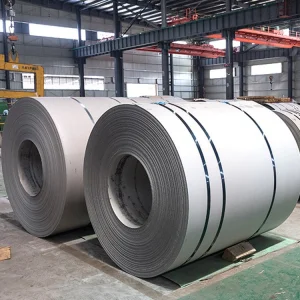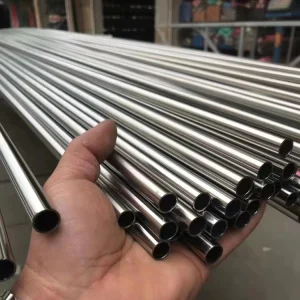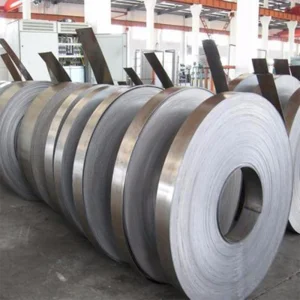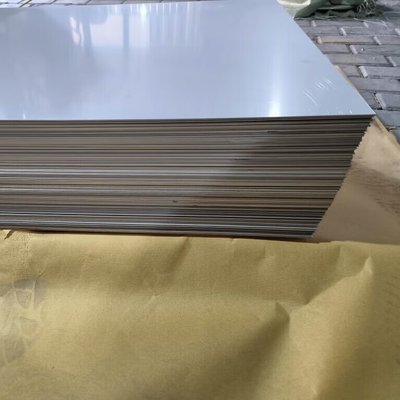
Custom China SUS304 Stainless Steel Cold-Rolled Plate Supplier - Corrosion-Resistant Food Grade Factory Material Manufacturers, Factories
Product Description
Core Selling Point
Recognized as a food grade material with high nickel content, stable performance, lead-free and non-toxic, it can directly come into contact with food.
Core advantage! Rich in chromium and nickel, it forms a dense passivation film in air or harsh environments, with corrosion resistance far superior to 200 series stainless steel.
Cold rolling technology brings higher strength and hardness, while maintaining good ductility and easy processing and shaping.
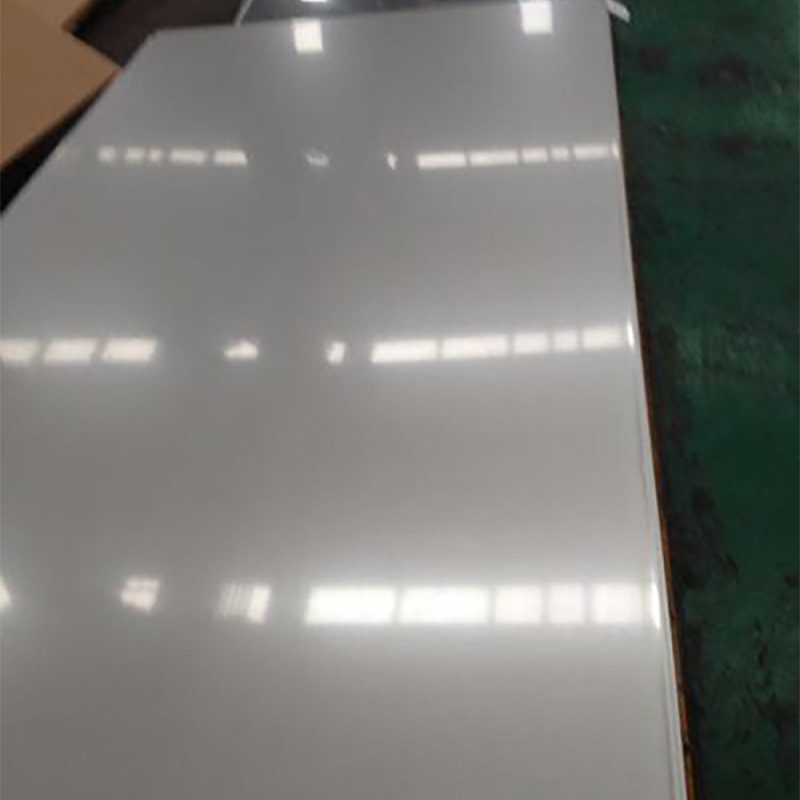
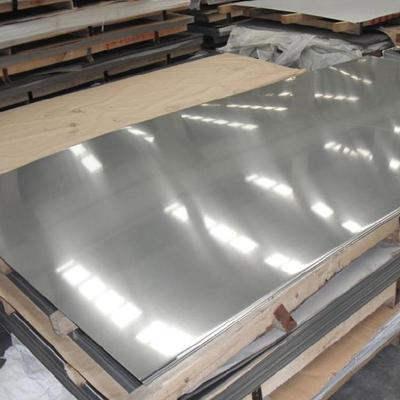
The surface is smooth and bright, easy to clean, long-lasting, and combines functionality and decoration.
The ultimate thickness range is 0.3mm to 6.0mm, covering everything from precision foil materials to heavy-duty structures.
Product Detailed Parameters
| Parameter Project | Parameter Details |
|---|---|
| Material grade | 304 (National standard: 06Cr19Ni10, American standard: ASTM A240 Standard) |
| Standards | GB/T 3280-2015, ASTM A240/A240M, JIS G4305 |
| Supply status | Cold rolling/annealing, acid washing (common surfaces: 2B surface, BA surface, can provide 8K mirror surface, wire drawing, etc.) |
| Thickness range | 0.3, 0.4, 0.5, 0.6, 0.7, 0.8, 1.0, 1.2, 1.5, 2.0, 2.5, 3.0, 4.0, 5.0, 6.0 mm (customized) |
| Common width | 1000mm, 1219mm (4 feet), 1500mm, 2000mm (can be divided into strips according to requirements) |
| Main components | C ≤ 0.08, Si ≤ 1.00, Mn ≤ 2.00, P ≤ 0.045, S ≤ 0.030, Ni: 8.00-11.00, Cr: 18.00-20.00 |
Focus on Five Major Application Areas (Solution Experts)
Comparison with 201 Stainless Steel
| Characteristics | 304 Stainless Steel | 201 Stainless Steel |
|---|---|---|
| Corrosion-resistant | Highly suitable for harsh environments | Suitable for dry indoor environments |
| The core components contain | 8% nickel (Ni), 18% chromium (Cr) | Low nickel (about 1-4%) |
| Magnetic | Without (slightly weak after cold processing) | With (high manganese content causing magnetism) |
| Conclusion: If you pursue excellent corrosion resistance, food grade safety, and service life, 304 is undoubtedly a higher quality choice. | ||
Quality Assurance and Service

Material Assurance
Each batch of products can provide Material Certification (MTC) to ensure that the ingredients meet the requirements of national/American standards.

Surface Treatment
Advanced rolling and annealing processes ensure that the plate shape is flat, the surface is uniform and consistent, and there are no defects.

Processing Services
We provide one-stop processing services such as tablet, slitting, laser cutting, and folding, saving you costs and improving efficiency.

Logistics Delivery
With a professional logistics team, both rolled and flat plates can be properly packaged and efficiently delivered.
Purchase Guide
1. Usage: Contact with food, liquids, or in humid/outdoor environments? —— Must select 304.
Frequently Asked Questions (FAQ)
Is 304 stainless steel completely rust-proof?
304 stainless steel has high corrosion resistance due to its rich chromium and nickel content forming a protective passivation layer. However, it may still corrode if exposed to extremely aggressive environments, such as high salinity marine areas or concentrated chemicals, without regular maintenance.
Why does 304 stainless steel sometimes show weak magnetism?
Under normal conditions, 304 stainless steel is austenitic and non-magnetic. However, slight magnetic properties can develop after cold rolling or mechanical processing due to the transformation of the microstructure into martensite.
What is the difference between 2B and BA surface finishes?
A 2B finish is a standard smooth, milky-gray cold-rolled finish suitable for general applications. A BA (Bright Annealed) finish undergoes annealing in an oxygen-free atmosphere, resulting in a highly reflective, mirror-like surface often used for decorative and household items.
Can you provide customized dimensions and surface processing?
Yes, we provide fully customized processing services including precision coil slitting, custom sheet cutting, laser profiling, bending, and specialized surface treatments such as 8K mirror polishing and brushed finishes.
How can I verify the material quality of the 304 stainless steel?
Every batch is supplied with an official Mill Test Certificate (MTC) detailing the exact chemical composition (such as Cr and Ni levels) and mechanical properties in full compliance with international standards like ASTM A240.