
1. Executive Market Intelligence & Global Sheet Metal Sourcing Landscape
The global industrial ecosystem relies heavily on continuous, high-precision access to wholesale sheet metal stock. As enterprise purchasing directors, metallurgical engineers, and contract fabricators navigate volatile raw material markets, securing reliable quotes & pricelists for stainless steel sheets, structural plates, precision coils, and welded pipes requires more than basic price comparison. It demands deep insight into alloy chemistry, global supply dynamics, mill certification traceability, and metallurgical processing standards.
In recent years, macro-economic shifts, regional decarbonization mandates (such as the EU's Carbon Border Adjustment Mechanism - CBAM), and fluctuations in base alloying elements—primarily Nickel (Ni), Molybdenum (Mo), and Chromium (Cr)—have reshaped the cost structure of industrial metal stock. Procurement strategy is no longer transactional; it is a balance of risk mitigation, engineering compliance, and long-term supply resilience.
Information Gain Insight for Enterprise Buyers: Relying solely on spot market quotes exposes manufacturers to unexpected project cost overruns. High-performing procurement teams utilize tier-1 mill-backed pricelists paired with dual-sourcing models from specialized processing hubs in China (such as the Wuxi and Foshan stainless steel clusters) to secure fixed-margin alloy surcharges and guaranteed delivery timelines.
2. Featured Wholesale Stainless Steel Stock & Custom Mill Products (Catalog Part 1)
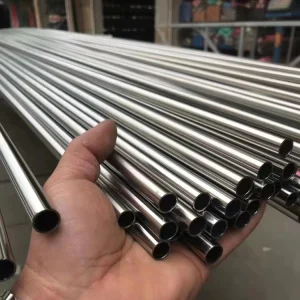
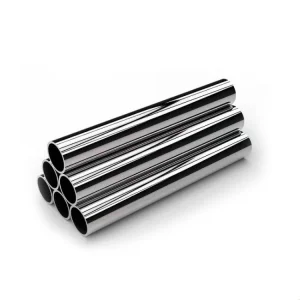
Explore representative factory-direct items including cold-rolled stainless sheets, decorative tubing, low-carbon industrial pipes, and precision strips built to exact gauge, finish, and tolerance requirements.





3. Metallurgical Grade Roadmap: Chemical & Mechanical Specifications Matrix
Selecting the correct sheet metal alloy requires aligning environmental exposure parameters (pitting, crevice corrosion, stress cracking) with mechanical performance demands (yield strength, elongation, ductility). The engineering matrix below presents technical data for premier stock grades across Austenitic, Ferritic, and Duplex categories.
| Alloy Grade | Alloy Structure | Nominal Chemistry (% Weight) | Yield Strength (0.2% MPa) | Tensile Strength (MPa) | PREN Rating | Primary Industrial Use Case |
|---|---|---|---|---|---|---|
| AISI 201 | Austenitic (Cr-Mn-Ni) | 16-18 Cr, 3.5-5.5 Ni, 5.5-7.5 Mn | ≥ 275 | ≥ 520 | ~ 17.5 | Architectural trim, indoor decorative tube, catering fixtures |
| AISI 304 / 304L | Austenitic (Cr-Ni) | 17.5-19.5 Cr, 8.0-10.5 Ni, ≤0.03 C (304L) | ≥ 205 | ≥ 515 | ~ 19.0 | Food & beverage processing, sanitary pipe, cookware, general structural |
| AISI 316 / 316L | Austenitic (Cr-Ni-Mo) | 16-18 Cr, 10-14 Ni, 2.0-3.0 Mo | ≥ 240 | ≥ 530 | ~ 25.0 | Marine hardware, chemical reactors, pharmaceutical cleanrooms |
| AISI 310S | High-Temp Austenitic | 24-26 Cr, 19-22 Ni, ≤0.08 C | ≥ 205 | ≥ 515 | ~ 26.0 | Furnace muffles, kiln liners, heat exchangers (< 1150°C) |
| AISI 430 | Ferritic (Cr) | 16-18 Cr, ≤0.75 Ni, ≤0.12 C | ≥ 205 | ≥ 450 | ~ 16.5 | Home appliances, elevator panels, magnetic ductwork |
| Duplex 2205 | Austenitic-Ferritic | 22 Cr, 5 Ni, 3.2 Mo, 0.18 N | ≥ 450 | ≥ 620 | ~ 35.0 | Offshore oil & gas, desalination plants, pressure vessels |
| Super Duplex 2507 | Austenitic-Ferritic | 25 Cr, 7 Ni, 4.0 Mo, 0.27 N | ≥ 550 | ≥ 750 | ≥ 42.0 | Aggressive marine, acid gas scrubbers, pulp & paper bleaching |
PREN Formula
PREN = %Cr + 3.3(%Mo + 0.5%W) + 16(%N). Higher PREN values indicate superior resistance to localized pitting in chloride-rich environments.
4. Surface Finishes, Roughness (Ra), and Dimensional Tolerance Guides
Surface quality defines both the aesthetic value and hygienic cleanability of sheet metal stock. Factory options range from mill-scale hot-rolled finishes down to mirror-polished specular surfaces.
Mill Finishes (No.1 / 2B / BA)
No.1 (Hot Rolled, Annealed & Pickled): Rough matte finish ideal for industrial structural members, pressure vessels, and heavy tanks where aesthetics are secondary.
2B (Cold Rolled, Annealed, Pickled & Pinch Passed): Smooth, greyish semi-reflective surface. The standard industrial workhorse finish for deep drawing and metal forming.
BA (Bright Annealed): Processed under inert atmosphere (nitrogen/hydrogen). Mirror-like clarity without mechanical polishing. Essential for medical tubing and appliance fascia.
Mechanical Finishes (No.4 / Hairline / 8K Mirror)
No.4 (Brushed / Satin Finish): Linear directional grain achieved with 150-240 grit abrasives. Standard surface for commercial kitchen equipment and architectural cladding.
Hairline (HL): Continuous long-grain silky texture offering refined visual elegance for high-end elevator interiors, retail storefronts, and luxury furniture.
8K Mirror: Multi-stage mechanical buffing with fine compound pastes achieving a distortion-free specular reflection (< 0.05 μm Ra roughness).
Specialty Processing (Embossed / Perforated)
Perforated Sheets: Custom CNC punch patterns (round, square, staggered, slotted) for acoustical panels, industrial filtration screens, and decorative sunshades.
Embossed / Patterned: Textured rolls impart tread plate designs (checker, diamond, tear-drop) enhancing slip resistance and mechanical rigidity on thin-gauge stock.
PVD Color Coating: Physical Vapor Deposition titanium nitride coating producing Gold, Rose Gold, Champagne, Black, and Sapphire Blue decorative surfaces.
5. Macro Sector Solutions: Application Engineering Across Global Markets
Industrial procurement varies by sector demand. Modern sheet metal service centers must tailor quality inspection plans, packaging methodologies, and metallurgical certifications to match specific enterprise end-uses.
Chemical Processing & Heavy Refining
Key Requirements: Severe pitting resistance, stress corrosion cracking resistance, high temperature integrity.
Alloy Choices: Stainless steel 316L, Duplex 2205, Super Duplex 2507, 310S.
Sourced stock must include full EN 10204 3.1 / 3.2 Material Test Certificates, hydro-tested pipe certifications, and PMI (Positive Material Identification) report validation to prevent catastrophic plant failure.
Sanitary Food, Beverage & Pharma
Key Requirements: Ultra-low surface roughness (Ra < 0.4 μm), zero micro-crevice porosity, non-toxic chemistry.
Alloy Choices: SUS304, SUS316L, bright annealed sanitary tube stock.
Cold-rolled sheets undergo passivation treatments to ensure passivated chromium oxide film formation, ensuring compliance with FDA, EHEDG, and 3-A Sanitary Standards.
Architecture, Structural & Automotive
Key Requirements: High yield-to-weight ratio, aesthetic durability, superior weldability, formability.
Alloy Choices: 201, 304, 430, perforated mesh panels.
Used widely for facade cladding, curtain wall supports, automotive exhaust tubing, stair railings, and structural frame components where cost efficiency meets atmospheric durability.
6. Wholesale Pricing Architecture & Enterprise Cost Determinants
Understanding how wholesale metal stock quotes are calculated enables enterprise buyers to negotiate favorable contract pricing, time purchase orders against market troughs, and eliminate hidden processing premiums.
The Master Wholesale Pricing Equation
Total Quote Price = Base Metal Spot Index + Alloy Surcharge (Ni/Mo/Cr) + Cold Rolling/Slitting Premium + Surface Finishing Fee + Packaging & Logistics Freight
Alloy surcharges are calculated monthly based on London Metal Exchange (LME) and Shanghai Metals Market (SMM) raw material indexes. Buying directly from integrated mill-level service hubs reduces processing markup by 8% to 15%.
1. Mill Raw Material Sourcing
Primary feedstock sourced from global tier-1 steelmakers like Tsingshan, TISCO, POSCO, and Baosteel ensures consistent slab chemistry, precise wall thickness tolerances, and minimal inclusion rates.
2. In-House Processing Automation
Integrated slitting, laser cutting, automatic tube welding, and multi-head polishing lines eliminate middleman contractors, providing direct pricing transparency and controlled lead times.
3. Freight & Export Packaging
Heavy-duty ocean export packaging—incorporating anti-corrosion VCI paper, wooden crates, steel edge protectors, and desiccants—prevents saltwater oxidation and transit damage on long-haul sea freight routes.
7. Featured Wholesale Stainless Steel Stock & Custom Mill Products (Catalog Part 2)
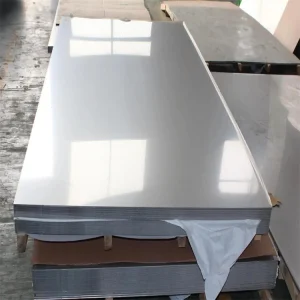
Continue reviewing our extended product line of mill-certified sheets, structural plates, precision slitted coils, and specialized industrial welded tubes.

8. E-E-A-T Quality Assurance, Testing Protocols & Global Compliance
Building trust in B2B metal procurement requires verifiable proof of material integrity. Standardized testing protocols guarantee that delivered stock performs seamlessly during shearing, bending, stamping, and welding.
Non-Destructive Testing (NDT)
Hydrostatic Testing: Tubing and piping stock tested under pressure to verify zero-leakage wall integrity.
Eddy Current Testing: High-frequency electromagnetic inspection detecting micro-cracks and weld seam flaws.
Ultrasonic Flaw Detection: Ensures interior metal purity and slab density on heavy plate stock (> 12mm thickness).
Chemical & Mechanical Verification
XRF Spectrometry (PMI): handheld X-ray fluorescence verifying exact percentages of Ni, Cr, Mo, Mn in seconds.
Tensile & Yield Testing: Mechanical destructive testing ensuring yield limits meet ASTM A240 / EN 10088-2 standards.
Intergranular Corrosion Testing: ASTM A262 Practice E test verifying immunity to sensitization in welded zones.
Regulatory Certification Framework
ISO 9001:2015: Certified quality management system controlling manufacturing, slitting, and sales operations.
CE Marking & PED 2014/68/EU: Pressure Equipment Directive compliance for industrial piping exported to the European Union.
Traceable Mill Test Reports: Issued strictly to EN 10204 3.1 certifying ladle chemistry and mechanical test values.
9. Technical Roadmap: Decarbonization, Smart Mills & Next-Gen Alloys
The sheet metal industry is undergoing a rapid transition toward digital manufacturing and green metallurgy. Forward-thinking enterprise buyers incorporate these future trends into their strategic sourcing framework:
Green Stainless Smelting (Low-Carbon Steel)
Utilization of Electric Arc Furnaces (EAF) powered by renewable energy coupled with ultra-high recycled scrap rates (> 80%) reduces Scope 1 and Scope 2 embedded carbon emissions per ton of sheet stock, satisfying strict corporate ESG mandates.
High-Entropy Alloys (HEA) & Lean Duplex
Development of lean duplex alloys (e.g., 2101, 2304) replaces expensive Nickel content with Manganese and Nitrogen while retaining twice the yield strength of traditional 304 stainless, drastically reducing raw material cost.
Digital Twin Quality Control
AI-driven visual surface scanners and continuous thickness laser gauges monitor mill output at 100 meters per minute, catching sub-millimeter surface defects and thickness variations down to ±0.01mm in real time.
10. Enterprise Procurement FAQ: Technical Q&A
Answers to critical sourcing, specification, pricing, and compliance questions asked by industrial buyers and engineers.
To receive an immediate, mill-direct quote, specify: (1) Alloy grade (e.g., 304, 316L, 2205), (2) Form & dimensions (thickness × width × length or coil width), (3) Surface finish (2B, BA, No.4, Mirror), (4) Quantity in metric tons or pieces, and (5) Destination port for Incoterms (FOB, CIF, DDP).
AISI 304 contains 18% Chromium and 8% Nickel, offering excellent general atmospheric corrosion resistance. AISI 316L adds 2-3% Molybdenum and reduces carbon content below 0.03%, dramatically increasing resistance to chloride pitting, acidic solutions, and weld-decay sensitization.
Cold-rolled sheets adhere to ASTM A480 / EN 10088-2 dimensional standards. Thickness tolerance is typically maintained within ±0.02mm to ±0.05mm using continuous automated gamma-ray or laser thickness gauge sensors during high-speed rolling pass sequences.
Grade 201 substitutes a portion of Nickel with Manganese and Nitrogen. This yields a lower raw material cost while providing a higher yield strength than 304. It is an optimal choice for dry indoor architectural trim, furniture frames, decorative pipes, and household appliances.
Every shipment includes an original Mill Test Report (MTR) according to EN 10204 3.1 certifying exact chemical heat analysis, mechanical tensile/yield tests, hardness tests, Commercial Invoice, Packing List, Bill of Lading, and Certificate of Origin. Third-party inspections (SGS, TÜV, Bureau Veritas) can be requested prior to vessel loading.
Factory processing includes precision coil slitting (custom strip widths), sheet shearing/cutting-to-length, laser cutting, surface polishing (No.4 satin, 8K mirror, HL), PE/Laser protective film application, CNC sheet perforating, and decorative pattern embossing.
Stock is wrapped in heavy-duty Vapor Corrosion Inhibitor (VCI) anti-rust paper, fully enclosed with plastic film shrouding, secured with metal corner protectors, mounted on fumigated wooden pallets or heavy steel skids, and bound tightly with high-tensile steel strapping.
Standard stock items (sheets, coils, decorative pipes in standard 2B or No.4 finishes) ship within 7 to 10 working days. Custom gauge slitting, special alloy plates (Duplex 2205/2507), or complex PVD colored polished stock typically require 15 to 25 days production lead time.
Optimize Your Metal Stock Procurement Strategy Today
Connect directly with our metallurgical sales engineers for real-time LME-indexed pricelists, custom gauge slitting tolerances, or complete technical drawing reviews. Secure competitive factory pricing backed by full mill traceability.