
Featured Precision Stainless Steel Catalog (Part I)
Direct factory supply featuring mill-certified chemical compositions, tight slit tolerances, and custom surface finishes.
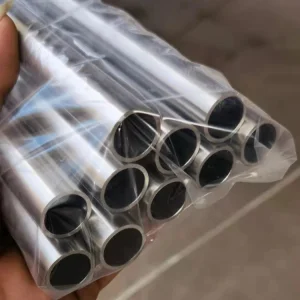
CE Certification China SUS304/304L Ultra-Low Carbon Stainless Steel Pipe Suppliers - Superior Corrosion Resistance & Welding Performance Factory Suppliers
View Product Details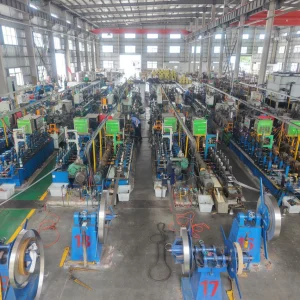
Wholesale High-Quality SUS304/304L Stainless Steel Strip from China Suppliers & Factory for Luxury Manufacturing Factory
View Product Details
Wholesale 201 Stainless Steel Curtain Rod Tube, 25mm OD, Powder Coated, Custom Length Factory
View Product Details
Custom China Stainless Steel Decorative Pipe Suppliers - Exquisite Designs & Durable Finishes from Factory
View Product Details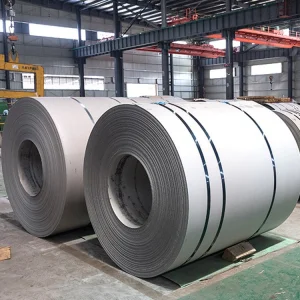
CE Certification Hot Rolled Stainless Steel Coil Manufacturer, Pricelist & Specifications
View Product Details
China SUS304 Cold-Rolled Stainless Steel Plate Suppliers - Corrosion-Resistant Food Grade Factory Product
View Product Details
Wholesale High Cost-effective 201 Cold Rolled Stainless Steel Sheet from China Suppliers and Factory
View Product Details
Wholesale 2507 Super Duplex Steel Plate - High Strength & Corrosion Resistance from China Suppliers
View Product Details1. Metallurgical Profile & Technical Analysis of 201 Stainless Steel Strip
Understanding the austenitic Cr-Mn-Ni alloy system: Chemical formulation, mechanical performance metrics, and cold-work strengthening dynamics.
In the contemporary global metallurgical supply chain, 201 Stainless Steel Strip represents one of the most commercially versatile and cost-efficient low-nickel, high-manganese austenitic alloys engineered for industrial applications. Originally developed to mitigate nickel market volatility, Grade 201 substitutes a precisely controlled portion of nickel with manganese (Mn) and nitrogen (N). This compositional balancing preserves an austenitic crystal structure (face-centered cubic, FCC) at room temperature while delivering enhanced yield strength and exceptional work-hardening capabilities.
For B2B procurement officers, structural engineers, and original equipment manufacturers (OEMs), choosing between Grade 201 and traditional 300-series alloys requires a rigorous technical comparison of chemical stoichiometry and mechanical limits. Below is a comprehensive breakdown of the core elemental boundaries and mechanical thresholds defined by international standards including ASTM A240 and EN 10088-2.
Chemical Composition Matrix & Elemental Functions
The corrosion resistance, mechanical toughness, and formability of 201 stainless steel strip are dictated by its precise elemental chemistry. The table below highlights standard ladle analysis limits and the metallurgical role of each element:
| Chemical Element | Standard Weight % (Grade 201 High-Cu / Standard) | Metallurgical & Practical Function |
|---|---|---|
| Chromium (Cr) | 15.00% – 17.50% | Forms the self-healing chromium oxide ($Cr_2O_3$) passivation layer; primary barrier against environmental oxidation. |
| Manganese (Mn) | 5.50% – 7.50% | Austenite phase stabilizer; increases nitrogen solubility and enhances tensile strength through solution hardening. |
| Nickel (Ni) | 3.50% – 5.50% (Custom low-Ni available) | Stabilizes the FCC structure, improves ductile-to-brittle transition temperature, and enhances deep drawing performance. |
| Copper (Cu) | 1.00% – 2.00% (High-Cu Variant) | Significantly reduces work-hardening rate, improving cold-heading, bending, and deep-drawing ductility for complex stampings. |
| Nitrogen (N) | 0.05% – 0.25% | Potent solid-solution strengthener; increases yield strength by over 30% compared to standard 304 without compromising toughness. |
| Carbon (C) | ≤ 0.15% | Increases hardness and strength; strictly monitored to prevent intergranular carbide precipitation during thermal processing. |
2. China Industry 4.0: Precision Manufacturing Hub in Wuxi
How advanced cold-rolling clusters, automated slitting infrastructure, and digital quality monitoring deliver unprecedented lead-time efficiency and consistency.
20-High Sendzimir Cold Rolling
Our production ecosystem utilizes state-of-the-art 20-High Sendzimir mill clusters capable of achieving ultra-thin gauges down to 0.05 mm (precision foil/strip) with automatic gauge control (AGC) maintaining strict cross-sectional flatness and zero crown.
Continuous Bright Annealing (BA)
Equipped with vertical hydrogen-atmosphere bright annealing furnaces, the metal undergoes stress relief and recrystallization without surface oxidation. This eliminates the need for acid pickling and yields a mirror-like finish directly off the furnace line.
High-Speed Rotary Slitting Lines
Precision circular carbide shears slit wide coils into narrow strips (down to 5mm width) with burr heights controlled below 5% of nominal sheet thickness, ensuring smooth edge winding and seamless automated feeding into customer roll-forming machinery.
Supply Chain Resilience & Raw Material Sourcing
The Wuxi stainless steel manufacturing cluster operates at the intersection of primary raw material production and downstream end-user customization. By securing direct strategic hot-rolled coil feedstock allocations from Tier-1 steelmakers like Tsingshan, TISCO, Baosteel, and POSCO, our integrated facilities insulate global buyers from localized supply shocks.
This closed-loop manufacturing architecture—encompassing hot-coil holding, precision cold reduction, bright annealing, multi-blade slitting, edge dressing, and automated seaworthy packaging—reduces production lead times to 7–14 days while assuring complete heat-traceable Material Test Certificates (MTC) conforming to EN 10204 3.1.
3. Global Sourcing Dynamics & Purchasing Cost-to-Performance
Analyzing macroeconomic cost drivers, life-cycle economics, and strategic substitution of 304 with engineered 201 variants.
As international manufacturing markets face structural inflationary pressure and raw material volatility, procurement directors across North America, Europe, Southeast Asia, and the Middle East are re-engineering product material specifications. The primary economic catalyst for selecting 201 Cold-Rolled Stainless Steel Strip is its compelling cost-to-performance equilibrium.
Lifecycle Cost Advantage: 201 vs 304 Stainless Steel
While Grade 304 remains the benchmark for aggressive chemical or marine environments due to its 8% minimum Nickel content, its price fluctuates wildly with LME (London Metal Exchange) Nickel indices. Grade 201 provides a buffer against this volatility by replacing expensive Nickel with abundant Manganese and Nitrogen.
| Evaluation Parameter | 201 Stainless Steel Strip | 304 Stainless Steel Strip | Commercial Impact for Purchasing |
|---|---|---|---|
| Raw Material Cost Index | Baseline (100%) | 145% – 175% higher | Immediate 30-40% reduction in upfront bill-of-materials (BOM) cost. |
| Yield Strength ($R_{p0.2}$) | ≥ 310 MPa | ≥ 205 MPa | 201 offers ~50% higher yield strength, allowing gauge down-thinning to save structural weight. |
| Tensile Strength ($R_m$) | ≥ 650 MPa | ≥ 520 MPa | Enhanced resistance to mechanical deformation and structural wear under high tension. |
| Corrosion Resistance (Atmospheric) | Excellent in indoor / mild outdoor environments | Superior in marine / chemical environments | Ideal substitution for non-marine, non-acidic structural and decorative applications. |
Global Enterprise Purchasing Criteria
Corporate procurement teams evaluate stainless steel suppliers using multi-dimensional matrices beyond mere per-ton pricing. Key metrics required by global procurement protocols include:
- Gauge & Width Uniformity: Sub-millimeter tolerances across the full coil length to prevent automated press jams.
- Edge Quality & Safety: Slit-edge deburring or rounded edges ($1\# / 3\# / 5\#$ edge finish) to prevent cable jacket abrasion in banding applications.
- Coil Geometry & Weight Control: Customized Inside Diameter (ID: 405mm / 508mm) and max Outer Diameter (OD) configured for automated uncoilers.
- Surface Defect Spectrum: Zero pitting, oil stains, pinholes, or stretcher strain marks across 2B, BA, No.4, or 8K Mirror surfaces.
4. Full Spectrum Technical Specifications & Customization Matrix
Configurable dimensions, temper options, surface treatments, and edge conditioning for high-speed industrial processing.
Dimensional Capabilities
- Thickness Range: 0.08 mm to 3.0 mm (Ultra-thin to heavy-gauge cold rolled)
- Slitting Width Range: 5.0 mm to 1250 mm
- Thickness Tolerance: Standard ASTM A480 precision, or tight tolerance up to ±0.005 mm
- Width Tolerance: ±0.05 mm for ultra-narrow precision slitting
- Coil Inside Diameter (ID): 200 mm, 300 mm, 405 mm, 508 mm
- Coil Packaging: Eye-to-Sky or Eye-to-Wall seaworthy wooden pallets
Temper & Mechanical Conditions
- Soft Annealed (ANN): HV 150 - 200; Max ductility for deep drawing (DDQ) and severe forming.
- 1/4 Hard (1/4H): HV 200 - 250; Balanced springback for shallow stamping and trim work.
- 1/2 Hard (1/2H): HV 250 - 300; Increased strength for structural brackets and clamps.
- 3/4 Hard (3/4H): HV 300 - 350; High tensile performance for banding and springs.
- Full Hard (FH): HV ≥ 350; Tensile strength exceeding 1100 MPa for high-stress applications.
Available Surface Finishes & Protection Options
| Surface Code | Processing Description | Visual Appearance | Typical End Use |
|---|---|---|---|
| 2B Finish | Cold rolled, heat treated, pickled, light skin pass. | Smooth, non-reflective matte metallic gray. | Industrial stamping, deep drawing, base components. |
| BA (Bright Annealed) | Cold rolled and bright annealed in gas furnace atmosphere. | Highly reflective, mirror-like smooth finish. | Architectural trim, reflective light fixtures, trim profiles. |
| No.4 / Hairline (HL) | Mechanical abrasion with fine abrasive belts (150-240 grit). | Linear directional grain texture, matte polished. | Elevator interiors, kitchenware, decorative molding. |
| 8K Mirror | Multi-stage chemical-mechanical polishing with liquid compound. | Perfect distortion-free optical mirror reflectivity. | Luxury decorative strips, signage, architectural accents. |
5. Localized Application Scenarios & Engineering Field Use
How engineers leverage 201 stainless steel strip across architecture, automotive, household appliances, and industrial strapping.
Architectural Trim & Decorative Tubing
Widely utilized in the production of roll-formed decorative profile channels, curtain rods, stair handrail covers, and tile edge trim. The high work-hardening rate gives light-gauge 201 tubing structural rigidity that resists denting while retaining high surface brilliance in BA or 8K finishes.
Kitchen Utensils & Home Appliances
Used extensively for stamping pot bases, cutlery, sink framing, oven door trim, and kettle bases. High-copper J4/J1 strip formulations allow deep drawing without edge fracturing, while passing standard food-contact mechanical integrity testing.
Industrial Strapping & Heavy Cable Banding
In full-hard (FH) or 3/4 hard tempers, 201 strip excels as high-tensile banding for securing telecom fiber-optic cables, utility pole hardware, hose clamps, and heavy palletized freight. Its high yield strength prevents stretching under high tensioning loads.
Automotive Trim & Electrical Enclosures
Custom narrow 201 strip serves as structural stiffeners for automotive weather-stripping, windshield wiper frame backing, interior console trim accents, and electronic component grounding clips where controlled springiness is required.
6. Commercial 201 Stainless Steel Strip Pricelist & Cost Factors
Transparent structural pricing variables: How thickness, width, surface finishing, and market indexes dictate per-ton costs.
Because stainless steel strip is a mill-processed commodity, pricing is structured on a baseline raw material rate plus processing add-ons (extra charges for gauge, width, surface treatment, and temper). Understanding these variables empowers procurement officers to optimize ordering specifications.
Key Pricing Determinants & Surcharges
- Base Hot-Rolled Coil Index: Tied to primary alloy input costs, specifically Electrolytic Manganese metal flakes and Nickel Pig Iron (NPI).
- Thickness Surcharge (Gauge Extra): Ultra-thin gauges (<0.20 mm) incur higher rolling mill pass times and furnace cycle costs, commanding a higher per-ton premium.
- Slitting Extra for Narrow Widths: Strips slit below 20 mm require precision arbor set-up and slower line speeds, adding a minor slitting charge.
- Surface & Protective Film Options: Standard 2B finish represents base price. BA adds a bright annealing premium; 8K mirror polishing and Laser PVC protective film add surface processing fees.
Featured Precision Stainless Steel Catalog (Part II)
Complete your supply chain requirements with our certified industrial pipes, decorative tubes, and specialty plates.
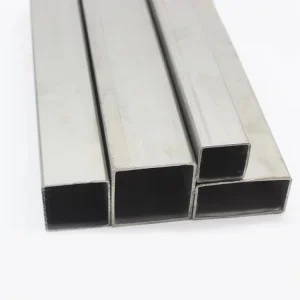
Custom Prime Quality 201 Stainless Steel Pipe from China Suppliers - Durable, Glossy & Ideal for Stairs and Handrails
View Product Details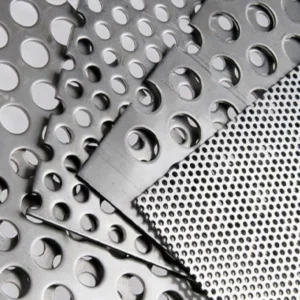
Custom China Perforated Stainless Steel Sheet Suppliers - High-Quality Factory Custom Metal Mesh Products
View Product Details
China China Suppliers - Industrial Welded Stainless Steel Pipes Factory | 201, 304, 316L, Wide Specifications
View Product Details
Custom China SUS304 Stainless Steel Cold-Rolled Plate Suppliers - Corrosion-Resistant Food Grade Material
View Product Details
Custom SUS304/304L Stainless Steel Strip from China Factory - Top Suppliers for Precision Machining
View Product Details
Custom China SUS304/304L Low Carbon Stainless Steel Pipe Suppliers | Factory for Ultimate Corrosion Resistance
View Product Details
China High-Quality 201 Stainless Steel Pipe from China Suppliers | Durable and Aesthetic Solutions
View Product Details
Wholesale 2507 Super Duplex Stainless Steel Plate - High Strength & Corrosion Resistance | China Suppliers
View Product Details7. Exhaustive Technical FAQ & Sourcing Intelligence
Direct engineering responses to common metallurgical questions regarding Grade 201 strip processing, corrosion control, and weldability.
Will 201 stainless steel strip rust in outdoor applications?
Grade 201 stainless steel contains 15% to 17% Chromium, which provides effective atmospheric corrosion resistance in dry, indoor, or mildly polluted urban environments. However, because its Nickel content is lower (3.5%–5.5%) than Grade 304 (8.0%+), it is more vulnerable to pitting in environments with high chloride exposure, sea spray, or continuous industrial humidity. For outdoor architectural trim in non-coastal regions, applying a protective clear coat or choosing a high-Copper (J4/J1) variant maintains long-term surface integrity.
Why does 201 stainless steel strip display mild magnetism after cold rolling?
In its fully annealed state, Grade 201 has an entirely non-magnetic austenitic crystal structure. However, when subjected to severe cold reduction (such as cold rolling to 1/2 Hard or Full Hard tempers), a partial phase transformation occurs from austenite ($\gamma$-phase) to strain-induced martensite ($\alpha'$-phase). This mechanical transformation imparts weak magnetic properties to the strip. If complete non-magnetism is strictly required for electronic applications, bright annealing must be performed to restore 100% austenitic structure.
What is the difference between J1, J3, J4, and Standard 201 strip grades?
In the commercial stainless steel market, sub-variants of 201 are engineered to tailor cost and formability:
• J1: Higher Carbon (0.08-0.12%) with ~1% Cu; high hardness and tensile strength for structural parts and decorative tubes.
• J3: Reduced Carbon (~0.04-0.08%) with ~0.8% Cu; economical choice for shallow stamping and decorative trim.
• J4 (High-Cu): Premium deep-drawing grade containing 1.5% to 2.0% Copper and elevated Nickel (~4.5%); soft temper allows severe stamping without cracking.
• Standard 201 (ASTM A240): Strictly regulated composition (Min 3.5% Ni, Min 5.5% Mn) conforming to global engineering standards.
How is edge burr controlled during high-speed precision slitting?
Edge burr is a critical defect that can damage stamping dies or cut rubber seals. Our slitting lines utilize motorized ultra-sharp tungsten carbide rotary knives with computerized clearance setting based on strip thickness ($T$). We guarantee that edge burr height ($H_b$) does not exceed 5% of nominal sheet gauge ($H_b \le 0.05 \times T$). For sensitive cabling applications, we offer secondary edge conditioning (deburring, rounding, or beveling).
Can 201 stainless steel strip be welded using standard TIG or Laser welding?
Yes, 201 stainless steel strip exhibits good weldability using conventional fusion methods, including Gas Tungsten Arc Welding (GTAW/TIG), Gas Metal Arc Welding (GMAW/MIG), and continuous Laser welding for tube mill production. Due to the higher Manganese and Nitrogen content, matching filler metals (such as AWS ER201 or ER308) should be selected when filler wire is required. Heat input should be controlled to minimize hot cracking in the Heat-Affected Zone (HAZ).
What export packaging standards are used for ocean shipping?
To prevent sea air moisture oxidation and coil transit damage, all strip shipments are packed in heavy-duty seaworthy packaging. Narrow coils are strapped together into pancake stacks or eye-to-sky pallets, wrapped in VCI (Vapor Corrosion Inhibitor) anti-rust film, sealed in heavy polyethylene sheeting, protected with corner edge protectors, and secured on fumigated wooden pallets anchored with steel strapping.
Partner with China's Premier 201 Stainless Steel Strip Mill
Request mill-direct pricing, customized chemical ladle analysis reports, or pre-shipment sample coils engineered for your precise manufacturing dies.