
Featured Industrial Steel Products & Factory Tube Quotes
Verified mill-direct specifications engineered for structural, decorative, sanitary, and extreme corrosive environments.

Custom High-Quality Stainless Steel Decorative Pipe from China Suppliers and Factory - Exquisite Designs and Finishes Factory, Quotes
Request Quote
Wholesale Prime Quality 201 Stainless Steel Pipe from China Suppliers | Durable and Stylish Factory-Direct Solutions Supplier, Factories
Request Quote
CE Certification Perforated stainless steel sheet Manufacturer, Suppliers
Request Quote
Wholesale High-Quality SUS304 Stainless Steel Cold-Rolled Plate - Corrosion Resistant Food Grade Material from China Suppliers and Factory Manufacturer, Suppliers
Request Quote
CE Certification China Suppliers Factory Industrial Stainless Steel Welded Pipe - 201, 304, 316L, High-Quality & Wide Specifications Supplier, Suppliers
Request Quote
Custom Cold Rolled Stainless Steel Sheet Suppliers - High Strength Corrosion Resistant Material from China Factory Manufacturer, Factories
Request Quote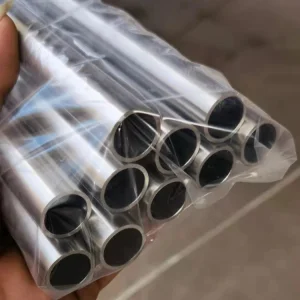
China SUS304/304L Lower Carbon Stainless Steel Pipe - China Suppliers & Factory for Corrosion Resistance & Welding Performance Suppliers, Factory
Request Quote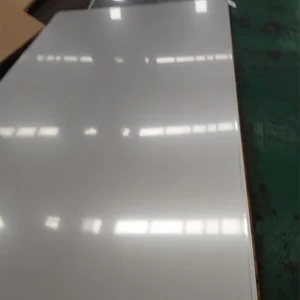
Custom 2507 Super Duplex Steel Plate Supplier, Quotes
Request QuoteChina Stainless Steel Tube Industry: Global Market Landscape & Price Drivers
An authoritative whitepaper breakdown of raw material fluctuations, alloying surcharges, production capacity, and global procurement strategies.
The global industrial ecosystem relies heavily on Chinese stainless steel tubing, with China manufacturing over 55% of the world's crude stainless steel output. Centered around primary metallurgy hubs in Jiangsu (Wuxi), Zhejiang (Wenzhou/Lishui), and Guangdong (Foshan), Chinese manufacturers have transitioned from low-cost volume producers to world-class precision mills capable of delivering nuclear-grade, high-nickel, and super duplex tubing systems.
Understanding the pricing mechanisms of Chinese stainless steel tubes requires analyzing the underlying raw material index. Unlike standard carbon steel, stainless steel tube quotes are dictated by alloy surcharges tied to the London Metal Exchange (LME) and Shanghai Futures Exchange (SHFE) spot prices for Nickel (Ni), Molybdenum (Mo), and Chromium (Cr). For instance, in austenitic 316L grades, nickel and molybdenum account for over 60% of total raw material costs. Consequently, industrial quotes fluctuate dynamically based on alloy indexes, currency exchange rates (USD/RMB), energy tariffs, and regional supply chain logistics.
Alloy Surcharge Mechanics
Base metal pricing is adjusted weekly. High-nickel series (310S, 316L) exhibit higher price elasticity compared to manganese-substituted 200-series options. Procurement timing should align with LME nickel inventory cycles.
Seamless vs. Welded Cost Index
Automatic TIG/Plasma welded tubing offers up to 35% cost savings over cold-drawn seamless tubing while meeting 95% of fluid handling criteria when eddy-current tested and solution annealed.
Freight & Duty Dynamics
FOB Wuxi/Foshan quotes contrast with CIF destination costs due to containerized shipping shifts. Anti-dumping duties (ADD) vary by region; choosing optimized tariff codes ensures regulatory compliance.
Comprehensive Stainless Steel Grade & Price Matrix
Technical specifications, chemical compositions, corrosion resistance rankings, and standard B2B EXW/FOB quote reference ranges.
| Steel Grade | UNS / EN Standard | Key Chemistry (% Composition) | PREN Rating | Mechanical Strength (Yield/Tensile) | Target Applications | Price Bracket (USD / MT) |
|---|---|---|---|---|---|---|
| 201 (Low Ni) | S20100 / 1.4372 | 16-18% Cr, 1-1.5% Ni, 5.5-7.5% Mn | ~ 17.5 | ≥ 275 MPa / ≥ 520 MPa | Decorative, indoor handrails, appliances | $1,350 - $1,750 |
| 304 / 304L | S30400 / 1.4301 | 18-20% Cr, 8-10.5% Ni, C ≤ 0.03% | ~ 19.0 | ≥ 205 MPa / ≥ 515 MPa | Food processing, architectural, general piping | $2,200 - $2,700 |
| 316 / 316L | S31603 / 1.4404 | 16-18% Cr, 10-14% Ni, 2-3% Mo | ~ 25.0 | ≥ 220 MPa / ≥ 520 MPa | Marine, chemical process, pharmaceuticals | $3,100 - $3,800 |
| 310S (High Temp) | S31008 / 1.4845 | 24-26% Cr, 19-22% Ni, Si ≤ 1.5% | ~ 26.5 | ≥ 205 MPa / ≥ 515 MPa | Heat exchangers, furnaces, kilns (>1100°C) | $4,500 - $5,600 |
| Duplex 2205 | S32205 / 1.4462 | 22% Cr, 5% Ni, 3% Mo, 0.18% N | ~ 35.0 | ≥ 450 MPa / ≥ 620 MPa | Offshore oil & gas, desalination, pressure vessels | $3,800 - $4,600 |
| Super Duplex 2507 | S32750 / 1.4410 | 25% Cr, 7% Ni, 4% Mo, 0.27% N | ≥ 42.0 | ≥ 550 MPa / ≥ 750 MPa | High-chloride marine, acidic gas processing | $5,200 - $6,400 |
Value-Added Surface & Precision Processing Add-ons (USD Surcharges)
Macro-Industry Engineering Tube Solutions
Tailored metallurgical properties designed to withstand aggressive pitting, extreme thermal stress, and strict hygienic requirements.
Oil & Gas / Petrochemical Processing
Demanding offshore environments require materials with high Pitting Resistance Equivalent Numbers (PREN ≥ 35). Utilizing Duplex 2205 and Super Duplex 2507 welded and seamless tubing prevents stress corrosion cracking (SCC) caused by hydrogen sulfide (H2S) and high chloride brine. Solution-annealed microstructures guarantee long operational lifespans in sour subsea wells.
Hygienic Food, Beverage & Pharma
Sanitary applications necessitate ultra-smooth internal surfaces (Ra < 0.4µm / 15µin) to prevent bacterial adhesion and biofilm buildup. SUS304 and SUS316L tubes undergo electropolishing (EP) and mechanical orbital welding end-prep in compliance with ASME BPE and 3-A sanitary standards, ensuring seamless Clean-in-Place (CIP) performance.
Architectural Structural & Facades
Structural tube applications demand high yield strength combined with aesthetic surface longevity. Custom ornamental and structural tubing in 201 and 304 grades, with PVD color coatings, hairline, and 8K mirror finishes, support airport terminal trusses, balustrades, curtain walls, and exterior structural framework.
Thermal Power & Renewable Energy
Superheater and reheater tubes operates at temperatures exceeding 600°C under immense pressure. Austenitic 310S and 321 stainless tubes offer high-temperature creep strength and oxidation resistance, making them crucial for thermal power boilers, biomass plants, and concentrated solar power (CSP) molten salt loops.
Automotive Exhaust & Precision Tubing
Ferritic 409L and 430 stainless steel tubing provides resistance to high-temperature gas corrosion and thermal fatigue at an economical price point. Precision hydroformed tube solutions are widely adopted in automotive exhaust manifolds, catalytic converters, and EGR coolers.
Desalination & Marine Engineering
Reverse osmosis (RO) high-pressure piping systems demand materials resistant to severe crevice corrosion. Super Austenitic 6% Mo (S31254) and Super Duplex 2507 tubes withstand aggressive seawater conditions, offering a lower total cost of ownership compared to titanium tubing.
Quality Assurance, Testing & International Standards
Rigorous quality control protocols ensuring zero-defect manufacturing, complete material traceability, and international regulatory compliance.
International Standard Alignments
- ASTM A312 / A269: Seamless & welded austenitic fluid tubes
- ASTM A554: Welded stainless steel mechanical tubing
- EN 10217-7 / EN 10216-5: European pressure tube standards
- JIS G3459 / G3463: Japanese industrial stainless piping specifications
Non-Destructive Testing (NDT)
- Hydrostatic Testing: Up to 20 MPa pressure verification
- Eddy Current Testing (ET): 100% seam defect detection
- Ultrasonic Testing (UT): Full-wall thickness flaw inspection
- Radiographic Testing (RT): Weld seam integrity check for critical boilers
Metallurgical & Traceability Verification
- PMI Spectrometer: 100% material chemical alloy verification
- Intergranular Corrosion: ASTM A262 Practice E testing
- MTC EN 10204 3.1 / 3.2: Fully certified mill test reports
- Third-Party Audits: SGS, BV, TÜV, and Lloyd's inspection ready
Seaworthy Seafreight Packaging Guarantee
All stainless steel tubes are shipped with plastic protective end-caps, anti-scratch woven wrapping, waterproof plastic sheeting, and heavy-duty ISPM-15 heat-treated wooden crates to eliminate transit oxidation and mechanical damage.
Technological Roadmap: Green Steel & Smart Precision Tube Manufacturing
How Chinese stainless steel tube mills are innovating with decarbonized production, AI quality control, and hydrogen transport tubing.
Hydrogen Transportation Tubing
As the global economy shifts toward hydrogen, Chinese mills are leading the development of ultra-high pressure, seamless 316L and high-nickel alloy tubes engineered to resist hydrogen embrittlement at pressures up to 70-100 MPa.
EAF Green Steel & Decarbonization
Transitioning from blast furnace processes to scrap-based Electric Arc Furnaces (EAF) powered by solar and wind micro-grids significantly reduces carbon emissions per ton. Carbon Footprint Verification (CFV) certificates now accompany premium tube exports.
AI-Driven Laser Seam Tracking
Next-generation continuous weld tube mills integrate machine vision and AI real-time laser seam tracking. Closed-loop control systems adjust welding speed, arc intensity, and shielding gas flow dynamically, achieving a near-zero defect rate on long tube runs.
Factory-Direct Steel Strip, Welded Pipe & Custom Sheets
Explore high-demand inventory items available for immediate B2B custom sizing and wholesale global dispatch.
CE Certification China SUS304/304L Stainless Steel Strip Suppliers - High-Quality Factory-Direct Manufacturing for Premium Applications Quotes, Pricelist
Request Quote
China Stainless Steel Industrial Welded Pipe - China Suppliers & Factory | 201, 304, 316L Materials, Wide Specifications Manufacturers, Supplier
Request Quote
Wholesale China Suppliers Factory for Perforated Stainless Steel Sheet - High-Quality Metal Mesh Solutions Factories, Factory
Request Quote
Custom China Suppliers Factory Stainless Steel Industrial Welded Pipe - Quality 201, 304, 316L - Wide Specifications & High Strength Suppliers, Pricelist
Request Quote
Wholesale Prime Quality 201 Stainless Steel Pipe from China Suppliers - Durable, Glossy Finish for Stairs and Household Use Factories, Quotes
Request Quote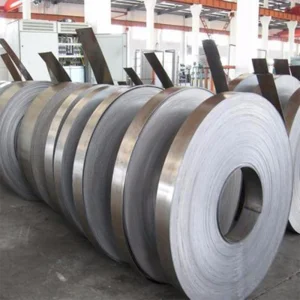
CE Certification High Quality 201 Stainless Steel Strip/Coil - Reliable China Suppliers and Factory Direct Discounts Supplier, Factory
Request Quote
Custom Stainless Steel Decorative Pipe - High-Quality China Suppliers & Factory, Exquisite Surfaces and Diverse Designs Manufacturer, Supplier
Request Quote
CE Certification High Cost-effectiveness 201 Cold Rolled Stainless Steel Sheet Supplier, Factories
Request QuoteFrequently Asked Questions: Tube Quotes & Factory Sourcing
Essential answers for B2B procurement managers, project engineers, and global steel stockholders.
Request Your Customized Stainless Steel Tube Quote Today
Submit your detailed project specifications (Grade, Outer Diameter, Wall Thickness, Length, Surface Finish, Standard, and Quantity) to receive a mill-direct EXW/FOB/CIF quote within 24 hours.