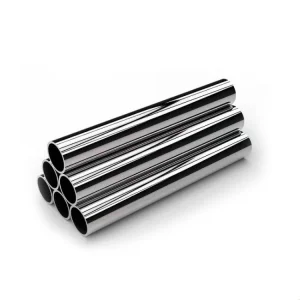
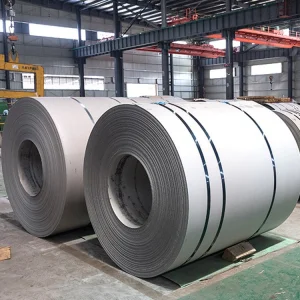
Precision Cold-Rolled Plates & Raw Material Inventory
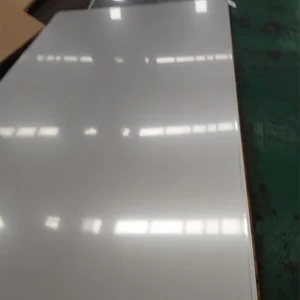
Direct mill-sourced cold-rolled sheets, perforated metals, and super-duplex alloys engineered for door kick plate fabrication and heavy-duty architectural shielding.



Engineering Leadership & Manufacturing Footprint
Jiangsu Renzhi Holding Group Co., Ltd. leads China's stainless steel precision processing sector, deploying automated cold-rolling, fiber laser cutting, surface satin conditioning, and nano-coating lines in Wuxi.
Executive Summary: The Metallurgy of Satin Stainless Steel Kick Plates
Architectural door protection systems, specifically satin stainless steel kick plates, represent a critical intersection between heavy-duty structural durability and refined interior/exterior visual aesthetics. Designed to shield high-traffic doors against mechanical impacts, foot traffic, gurneys, cart collisions, and environmental abrasion, kick plates manufactured in China have evolved from basic stamped sheet metals to precision-engineered metallurgical solutions.
A true satin finish (commonly classified alongside No. 4 finish, Hairline finish, or US32D/630 architectural hardware finish) is achieved through controlled directional abrasive polishing. The cold-rolled stainless steel substrate—typically ASTM A240 Grade SUS304 or SUS316L—undergoes sequential grinding with synthetic abrasive belts ranging from 120-grit to 320-grit. This mechanical process produces a linear, non-reflective micro-texture characterized by an average surface roughness (Ra) maintained strictly between 0.2 μm and 0.4 μm (8 to 16 micro-inches).
E-E-A-T Metallurgical Insight: Passivation Layer Kinetics
The corrosion resistance of a satin-finished kick plate depends heavily on the self-healing chromium-oxide (Cr₂O₃) passive film. When mechanical polishing creates directional micro-grooves, it exposes raw metallic iron. Leading Chinese suppliers like Renzhi integrate automated chemical acid passivation (utilizing citric acid or nitric-hydrofluoric acid baths per ASTM A967) to instantaneously restore a continuous, 1.5 to 3.0 nanometer-thick passive oxide layer, eliminating localized pitting hazards.
Material Grade Matrix for B2B Kick Plate Sourcing
Selecting the optimal stainless steel alloy prevents premature material degradation while optimizing project expenditure. The table below outlines the primary alloy options utilized by Chinese manufacturing partners:
| Stainless Grade | Chemical Composition | Corrosion Resistance | PREN Value | Primary Commercial Use Cases |
|---|---|---|---|---|
| SUS201 (Austenitic) | 16-18% Cr, 3.5-5.5% Ni, 5.5-7.5% Mn | Moderate (Dry Interiors) | ~ 17.5 | Budget interior office doors, residential cabinetry, low-moisture hospitality doors. |
| SUS304 / 304L | 18-20% Cr, 8-10.5% Ni, <0.03% C (304L) | High (Standard Commercial) | ~ 19.0 | Industry Standard: Educational institutions, corporate headquarters, retail stores, food service. |
| SUS316 / 316L | 16-18% Cr, 10-14% Ni, 2-3% Mo | Superior (Chloride/Marine) | ~ 23.5 | Hospitals, cleanrooms, coastal architectural doors, chemical processing facilities, marine vessels. |
| 2205 Duplex | 22% Cr, 5% Ni, 3% Mo, 0.18% N | Extreme (Impact & Chemical) | ~ 35.0 | Heavy industrial plants, high-security infrastructure, severe chemical exposure zones. |
China Factory 4.0: Supply Chain Resilience & Fabrication Efficiency
Modern Chinese OEM/ODM stainless steel factories leverage integrated vertical ecosystems—from raw coil slitting to ultra-fast fiber laser profiling—delivering unprecedented lead time advantages and cost efficiencies.
Fiber Laser CNC Cutting
High-power 12kW-20kW fiber laser cutters produce zero-burr edge profiles on kick plates up to 3.0mm thickness. Automated nestings ensure >95% material utilization and millimeter-perfect mounting hole alignments (countersunk or clearance).
PVD & Anti-Fingerprint (AFP) Nano-Coating
Integrated vacuum Physical Vapor Deposition (PVD) allows suppliers to offer satin kick plates in titanium gold, rose gold, black nickel, and bronze. Hydrophobic anti-fingerprint (AFP) nano-coatings reduce maintenance cleaning cycles by over 70%.
Vertical Integration & Raw Material Security
Direct supply agreements with primary steel mills (Tsingshan, TISCO, POSCO, Baosteel) insulate overseas procurement officers from spot market price spikes while providing guaranteed chemistry certificates (MTR 3.1).
Macro-Industry Solutions & Architectural Specifications
Healthcare & Cleanroom Environments
In hospital surgical wings, pharmaceutical laboratories, and isolation wards, doors are subjected to aggressive cleaning regimens involving chlorine-releasing agents, hydrogen peroxide vapor, and isopropyl alcohol. Satin SUS316L Kick Plates are specified for their low surface energy, preventing bacterial biofilm adherence while withstanding harsh sterilization without pitting or discoloration. Beveled edges (45-degree chamfer) eliminate sharp dust-collecting ridges, satisfying strict FDA and HACCP sanitary mandates.
High-Traffic Hospitality & Commercial Real Estate
Five-star hotels, international airports, and premium corporate offices demand architectural cohesion. Satin stainless steel kick plates provide a subtle, non-glare, metallic finish that matches surrounding door hardware (US32D standard). Custom laser-engraved logos, emergency egress signage, or room indicators can be etched directly onto the satin surface without compromising corrosion resistance.
Educational Facilities & Public Infrastructure
K-12 schools, university campuses, and transit hubs experience continuous, destructive impact from foot traffic, skateboards, and heavy equipment. Installing 1.5mm to 2.0mm thick 304 satin plates significantly extends the service lifespan of solid wood, hollow metal, or fiberglass doors, reducing long-term facility maintenance expenditures by up to 60%.
Global Enterprise Procurement Specifications
When requesting quotes and technical submittals from Chinese suppliers, procurement managers and commercial hardware specifiers must define exact dimensional tolerances and physical parameters:
- Standard Thickness Options: 0.037" (20 Gauge / 0.9mm), 0.050" (18 Gauge / 1.2mm), 0.062" (16 Gauge / 1.5mm), and 0.093" (13 Gauge / 2.0mm).
- Dimensional Tolerances: Width and Height engineered within ± 0.5mm (± 0.020") via digital CNC shear or laser profiling.
- Mounting Hole Configurations: Pre-drilled countersunk holes matching #6 or #8 wood/sheet metal screws, magnetic backing for metal fire doors, or high-tack pressure-sensitive adhesive tape (3M VHB line) for drill-free installation.
- Surface Protection: Heavy-duty 70-micron to 100-micron UV-resistant polyethylene (PE) laser protective film applied to the satin face, ensuring zero scratches during shearing, punching, transport, and site installation.
Quality Control & Pre-Shipment Testing Protocols
Tier-1 Chinese factories conduct 100% surface inspection prior to packing. Key testing includes Salt Spray Testing (ASTM B117) up to 500 hours for 316L grades, Spectrometric Alloy Verification (PMI Testing) to confirm Nickel and Chromium percentages, and Roughness Tester (Glossmeter/Profilometer) checks ensuring uniform Ra values across entire production batches.
Technology Roadmap & Future Outlook (2025-2035)
As smart buildings, green architecture standards (LEED / BREEAM), and advanced material science redefine architectural hardware, China's satin stainless steel kick plate manufacturers are investing in next-generation research and development:
Antimicrobial Copper-Doped Alloys
Integration of trace copper micro-elements into the stainless matrix (Cu-bearing austenitic stainless steel) provides continuous, intrinsic antibacterial efficacy against MRSA and E. coli without relying on temporary surface coatings.
Self-Healing Superhydrophobic Coatings
Emerging fluorocarbon-free nano-coatings exhibit self-healing capabilities when scratched. Under ambient humidity and micro-friction heat, the nano-structure reorganizes, preserving satin uniformity and moisture repellency.
Decarbonized Green Steel Production
Leading Chinese mills are transitioning to Electric Arc Furnaces (EAF) powered by renewable hydrogen and solar grids. Sourcing low-carbon stainless steel allows global developers to collect crucial LEED v4.1 Materials & Resources credits.
Localization Support, Regulatory Compliance & Seaworthy Logistics
Navigating cross-border trade requires suppliers with robust international compliance certifications. Jiangsu Renzhi Holding Group Co., Ltd. ensures seamless importation for North American, European, Middle Eastern, and Asian distributors through strict adherence to global standards:
- International Standard Compliance: Material manufacturing fully certified to ASTM A240 / A240M (Standard Specification for Chromium and Chromium-Nickel Stainless Steel Plate, Sheet, and Strip for Pressure Vessels and for General Applications), EN 10088-2, and JIS G4304.
- Chemical & Environmental Safety: Full compliance with EU REACH regulations and RoHS directives regarding heavy metal limits. Environmental Management Systems certified under ISO 14001:2015.
- Custom Export Packaging: Kick plates are interleaved with anti-corrosion VCI paper, bundled in sets of 10 to 20 units inside reinforced corrugated inner cartons, and secured in heat-treated ISPM-15 compliant solid wooden crates. Fumigation-free plywood cases are also available for expedited air freight.
- Documentation Packages: Every shipment includes a complete documentation pack: Commercial Invoice, Packing List, Certificate of Origin (Form E, Form F, or General CO), Bill of Lading, and official Mill Test Report (MTR) according to EN 10204 3.1.
Frequently Asked Questions (FAQ)
Direct technical answers to common questions asked by hardware distributors, architectural specifiers, and procurement officers.
What is the difference between a Satin finish and a Brushed finish on stainless steel kick plates?
Why choose SUS304 over SUS201 for commercial door kick plates?
Can Chinese suppliers manufacture kick plates with custom beveling and screw hole positioning?
What is the standard lead time for wholesale custom kick plate orders from China?
How does the laser protective film prevent damage during installation?
What surface roughness (Ra) standards do your satin plates adhere to?
Explore Full Stainless Steel Pipe, Sheet & Strip Solutions
Complementary stainless steel products manufactured under certified ISO 9001:2015 quality control systems for global engineering projects.