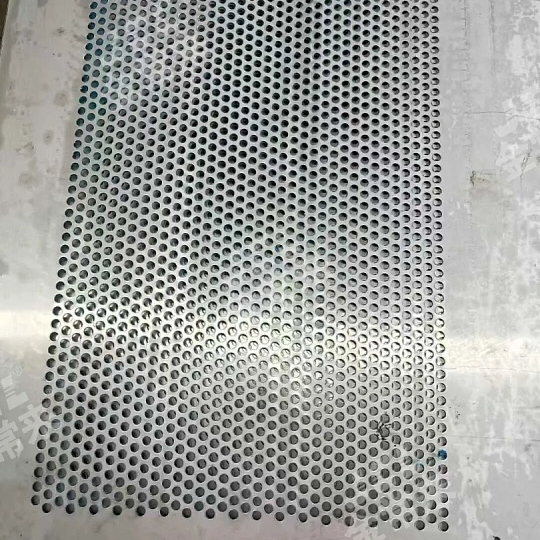
Wholesale Perforated Stainless Steel Sheet from China Suppliers & Factory - Durable, Custom Metal Mesh for Various Applications Manufacturer, Supplier
Product Description
Core Features
Made from austenitic stainless steel such as 304 and 316, it forms a dense oxide film on the surface, resisting corrosion from acids, alkalis, and salts, ensuring a long service life.
The stamped sheet maintains high tensile strength (≥515MPa for 304 material) and is resistant to deformation.
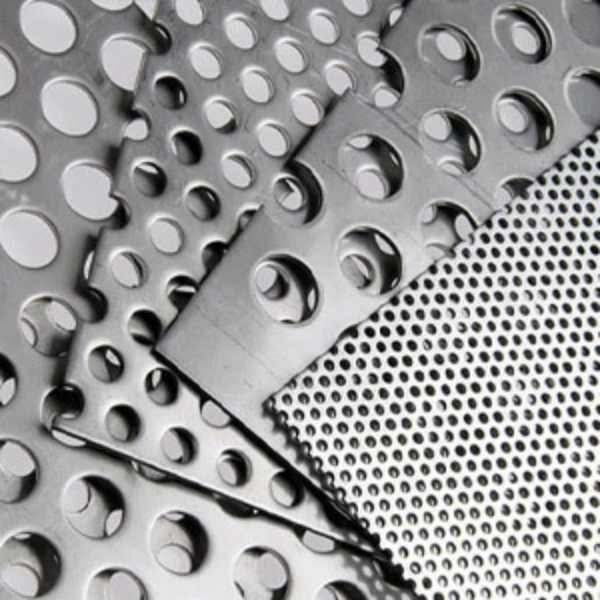
By adjusting the open area ratio (the proportion of hole area to the plate surface) and hole patterns, it achieves various functions such as ventilation and heat dissipation, filtration and sieving, sound absorption and noise reduction, anti-slip and light transmission.
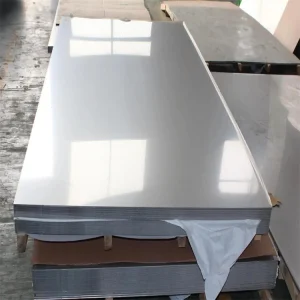
Smooth surface (with treatments such as 2B, BA, mirror finish, brushed, etc.), resistant to dust accumulation, and low maintenance costs.
Main Materials and Selection
| Material Grade | Feature | Applicable Scenarios |
|---|---|---|
| 304 | General-purpose, containing 18% Cr and 8% Ni, resistant to atmospheric corrosion | Interior decoration, kitchen equipment, general industrial screens, building curtain walls |
| 316 | Containing molybdenum (Mo 2-3%), resistant to chloride corrosion (pitting) | Coastal architecture, chemical equipment, seawater desalination, and high-sanitation food and pharmaceutical areas |
| 201 | High in manganese, low in nickel, with relatively weak corrosion resistance and low cost | Dry indoor environment, short-term protection, non-load-bearing decoration |
Specifications (Customizable)
Plate thickness: 0.1mm ~ 20mm (0.5mm ~ 6.0mm for general industrial use).
Aperture range: 0.2mm ~ 300mm (Aperture typically needs to be ≥ plate thickness; micro-hole processing requires special techniques).
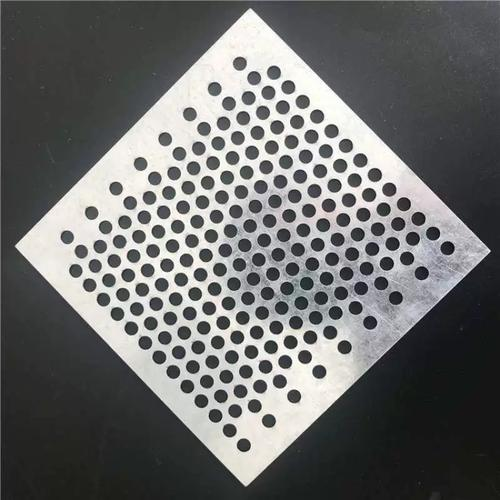
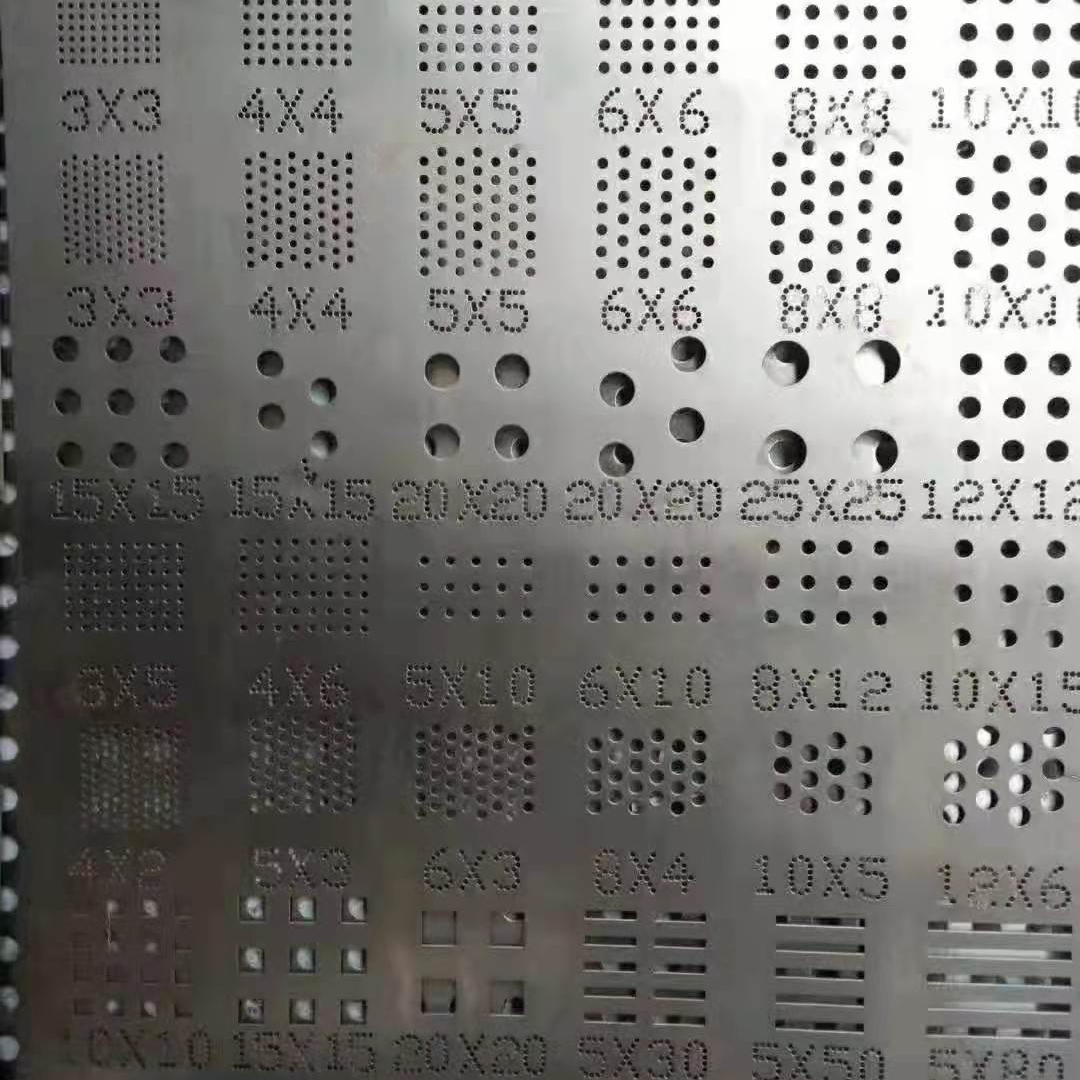
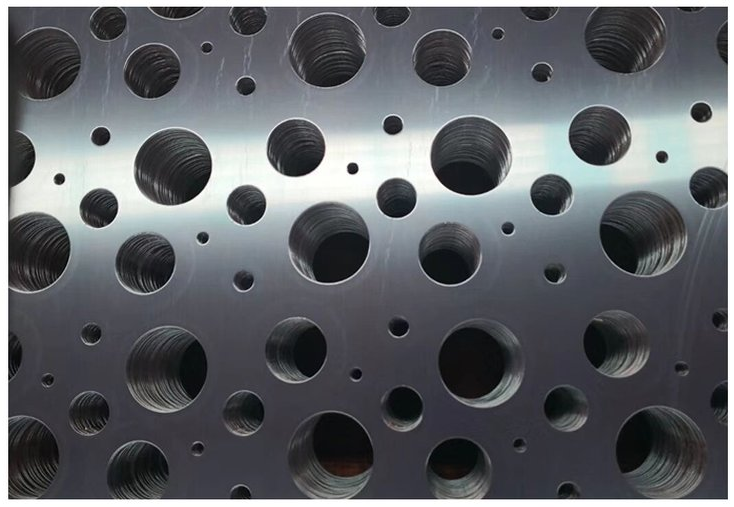
Types of die holes: Geometric holes (round, square, oval, hexagonal, triangular) and special-shaped holes (diamond, plum blossom, fish scale, louver, cross, and pattern holes).
Arrangement methods: Straight (90°), staggered (60°, 45°), gradient arrangement, irregular artistic arrangement.
Standard dimensions: Common flat panels are 1m×2m, 1.22m×2.44m, or 1.5m×3m; rolled plates have a width of ≤1.5m and can extend up to tens of meters in length.
Production Process
Produce high-precision hard alloy molds based on hole patterns.
Use CNC turret punch or laser cutting composite machine for high-speed punching.
After stamping, sheet metal is leveled by a leveling machine before cutting according to size.
Punching edges require polishing, vibration grinding, or chemical polishing treatment.
Optional mirror polishing, wire drawing, sandblasting, electroplating, PVD coloring or spraying.
Application Fields
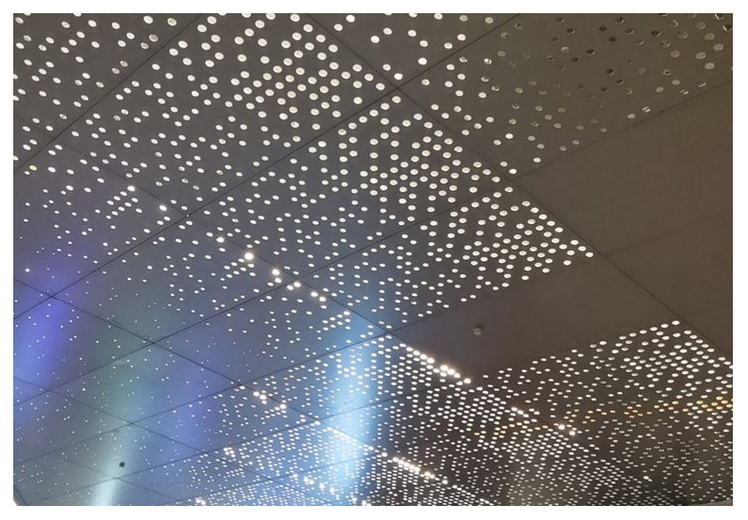
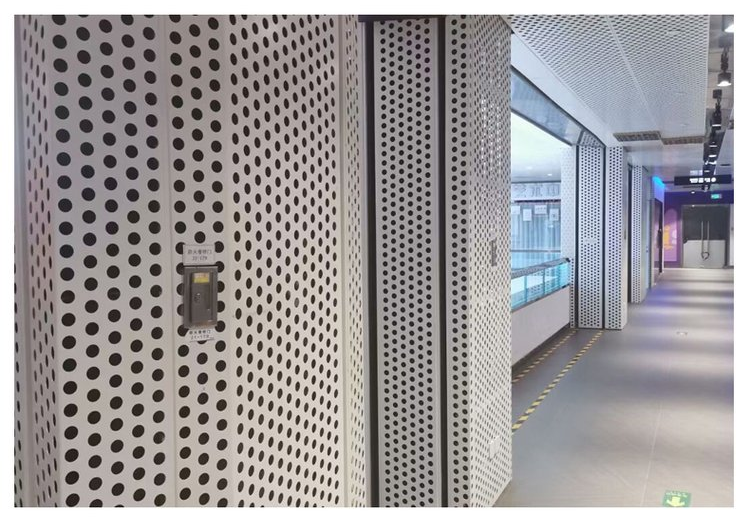
Architectural decoration: Exterior walls and curtain walls, interior partitions, ceilings, railings, screens (with both shading and ventilation).
Industrial filtration: Petrochemical sieve plate, mining vibrating screen, food machinery filter screen, pharmaceutical equipment filter element.
Environmental noise reduction: Highway sound barriers, machine room sound-absorbing panels, cooling tower fillers.
Mechanical protection: Equipment ventilation hood, machine tool protective door, safety fence.
Home life: Kitchen drain rack, storage hole board, anti-slip pedal, furniture panel.
Frequently Asked Questions (FAQ)
We offer grades 304, 316, and 201. Grade 304 is ideal for standard indoor/outdoor decoration and general industrial use. Grade 316 contains molybdenum, making it perfect for highly corrosive environments like coastal regions and chemical equipment. Grade 201 is a cost-effective choice for dry indoor environments.
Yes, we provide fully customizable options. You can choose from various geometric hole shapes (round, square, hexagonal, etc.) or special-shaped patterns. Standard panel dimensions are available, and we can also customize sizes or supply rolled plates based on your project requirements.
Generally, the aperture (hole diameter) needs to be greater than or equal to the plate thickness to prevent mold damage during stamping. However, for special micro-hole requirements, we can utilize advanced processing techniques to achieve smaller dimensions.
Stamping naturally creates burrs along the hole edges. To ensure safety and a clean finish, all our perforated sheets go through a deburring process, which includes mechanical polishing, vibration grinding, or chemical polishing depending on the application.
To meet diverse architectural and decorative needs, we offer multiple surface treatments including mirror polishing (BA/mirror), wire drawing (brushed), sandblasting, electroplating, PVD coloring, and protective powder coatings.