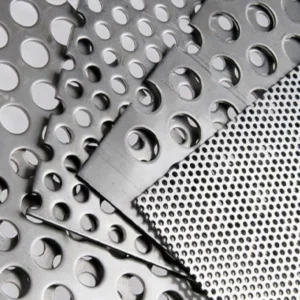
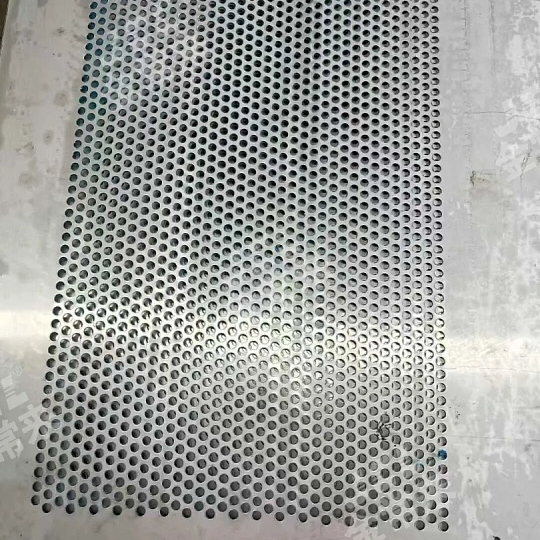
Custom China Suppliers for Perforated Stainless Steel Sheet - High-Quality Factory Metal Mesh Solutions Manufacturers, Factory
Product Description
| Material Grade | Feature | Applicable Scenarios |
|---|---|---|
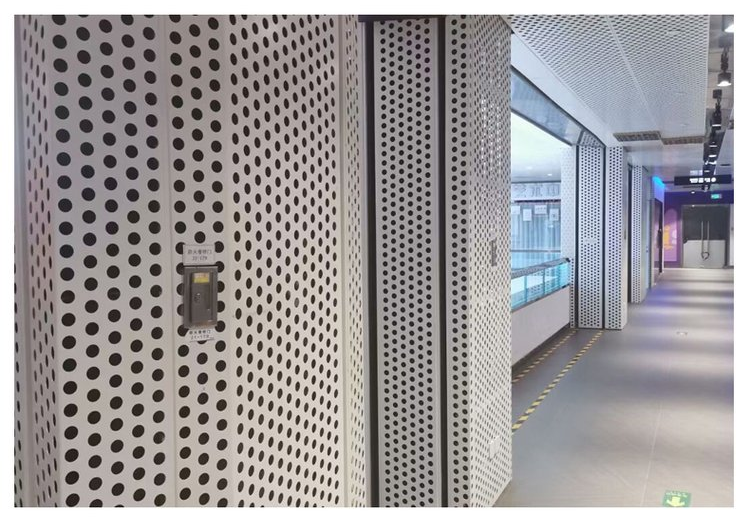
| 304 | General-purpose, 18% Cr and 8% Ni, resistant to atmospheric corrosion | Interior decoration, kitchen equipment, general industrial screens, building curtain walls |
| 316 | Containing molybdenum (Mo 2-3%), resistant to chloride corrosion (pitting) | Coastal architecture, chemical equipment, seawater desalination, food and pharmaceutical areas |
| 201 | High manganese, low nickel, relatively weak corrosion resistance, low cost | Dry indoor environment, short-term protection, non-load-bearing decoration |
A1: 304 is suitable for most indoor and general industrial environments. 316 is recommended for coastal areas or chemical environments due to its superior resistance to chloride corrosion.
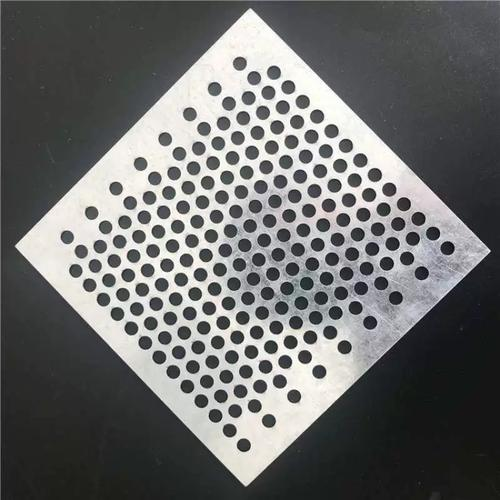
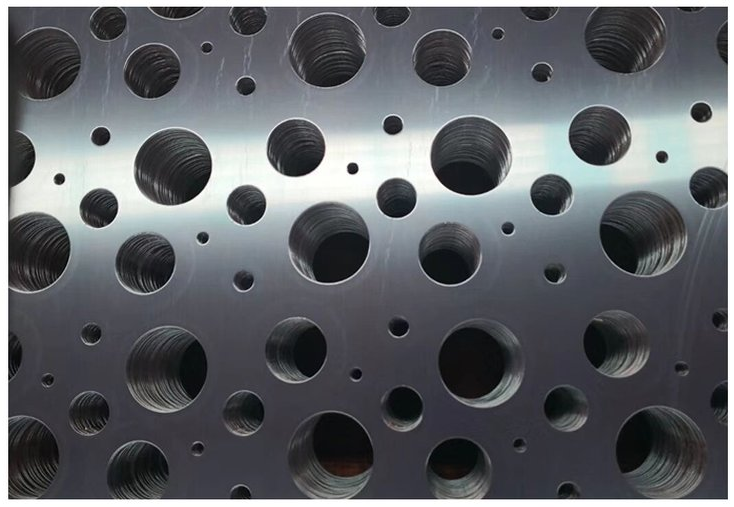
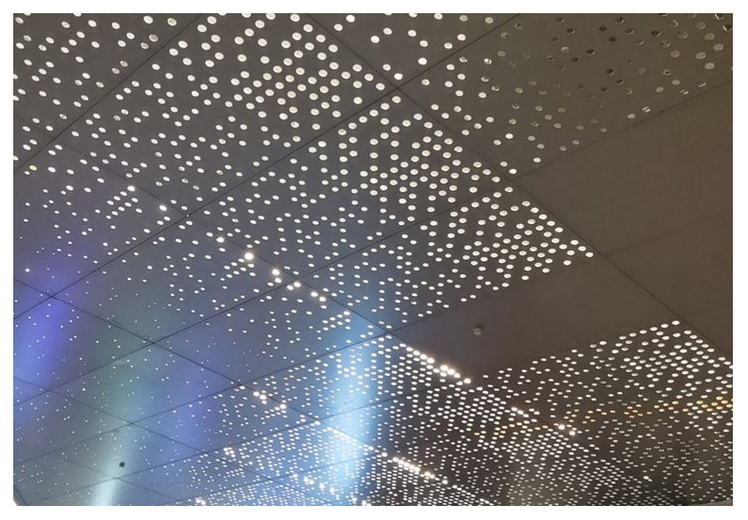
A2: Yes, we offer irregular artistic arrangements and pattern holes using CNC and laser cutting technology to meet specific design requirements.
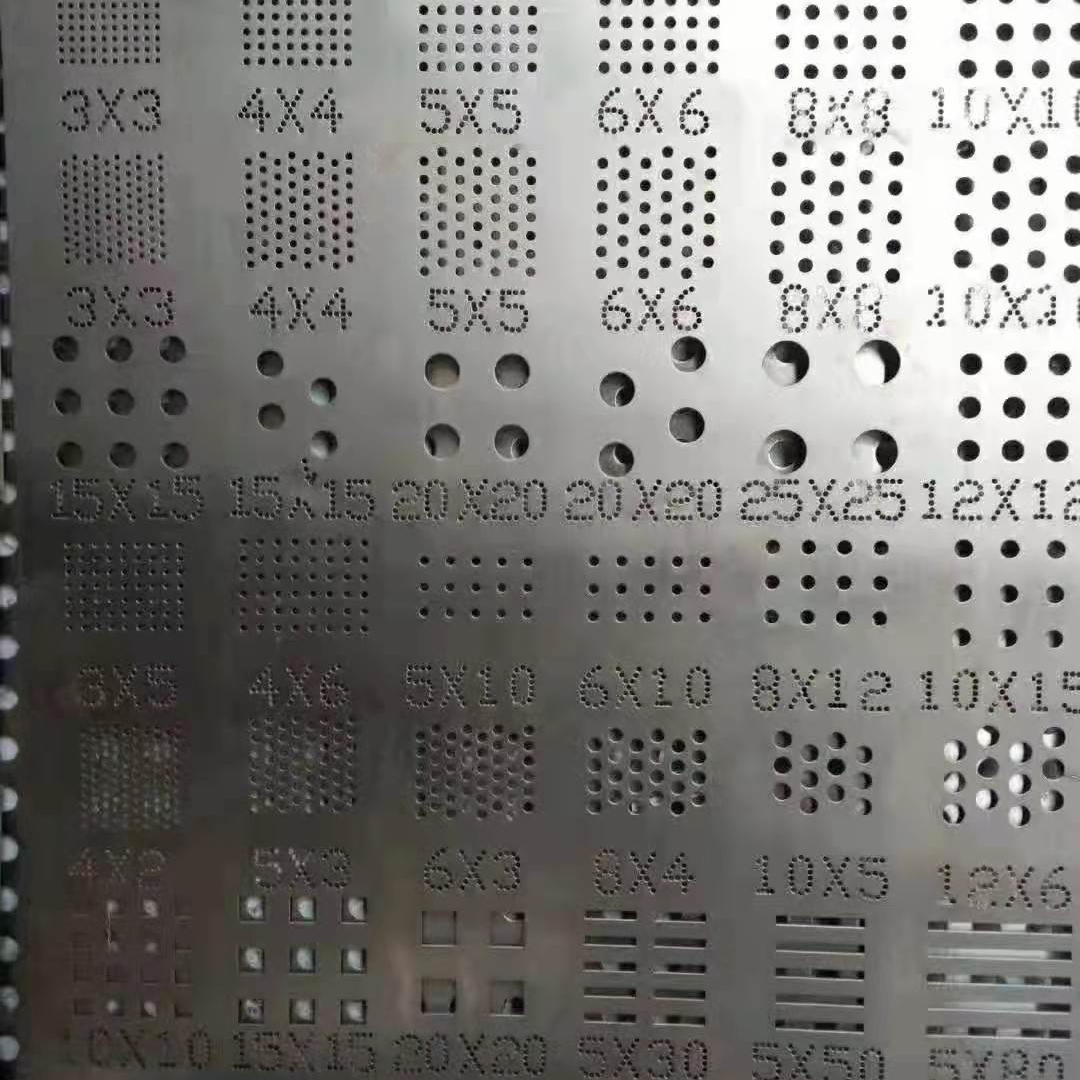
A3: The aperture typically starts from 0.2mm. However, for standard stamping, the aperture should be equal to or greater than the plate thickness.
A4: Our production process includes a deburring stage where we use polishing or vibration grinding to ensure the edges are smooth and safe to handle.
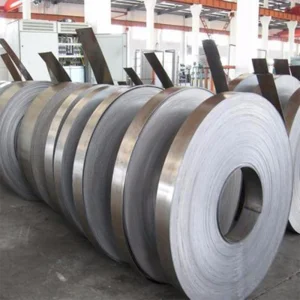
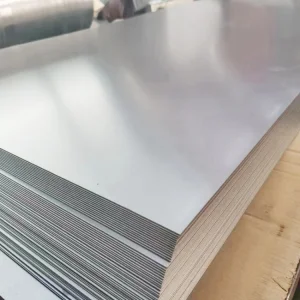
A5: Standard flat panels are up to 1.5m x 3m. Rolled plates can extend up to tens of meters in length with a maximum width of 1.5m.
A6: After the high-speed stamping process, all sheets go through a professional leveling machine to correct any deformation caused by the punching stress.