China China SUS304 Cold-Rolled Stainless Steel Plate Suppliers - Corrosion Resistant Food Grade Factory Products Factories, Quotes
Product Description
Core Selling Point
Recognized as a food grade material with high nickel content, stable performance, lead-free and non-toxic, it can directly come into contact with food.
Core advantage! Rich in chromium and nickel, it can form a dense passivation film in air or harsh environments, and its corrosion resistance is far superior to 200 series stainless steel.
Cold rolling technology brings higher strength and hardness, while maintaining good ductility and easy processing and shaping.
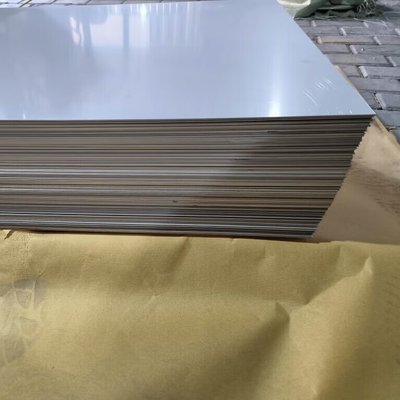
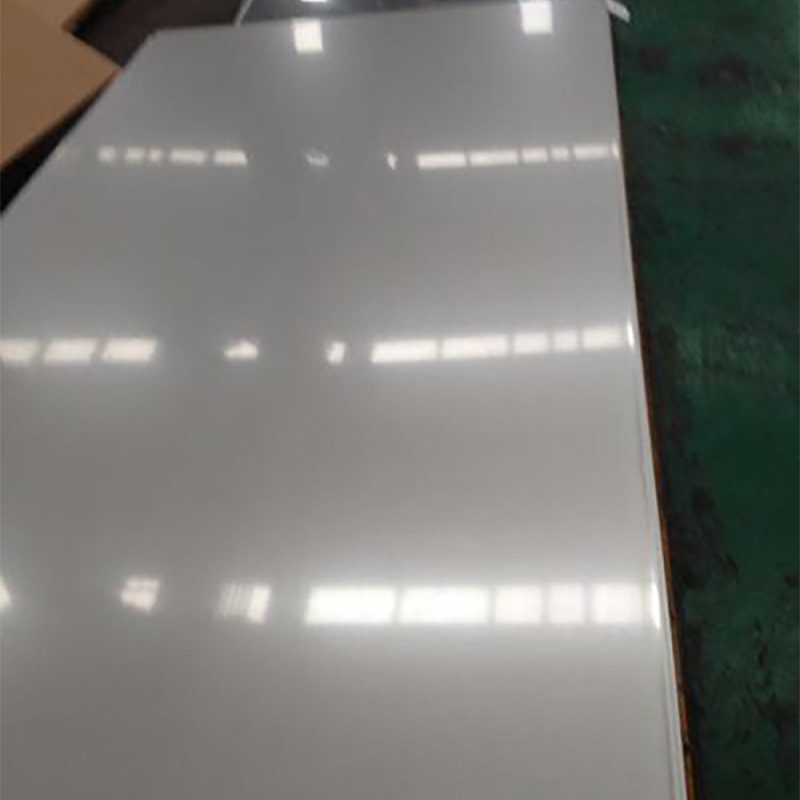
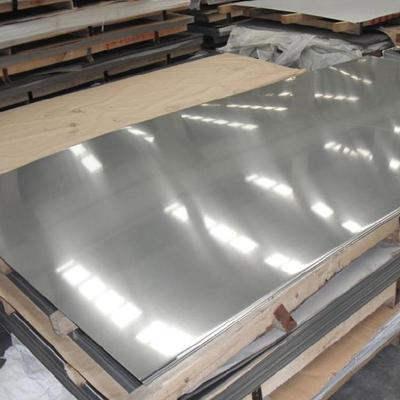
The surface is smooth and bright, easy to clean, long-lasting, and combines functionality and decoration.
The ultimate thickness range is 0.3mm to 6.0mm, covering everything from precision foil materials to heavy-duty structures.
Product Detailed Parameters
| Parameter Project | Parameter Details |
| Material grade | 304 (National standard: 06Cr19Ni10, American standard: ASTM A240 Standard) |
| standards | GB/T 3280-2015, ASTM A240/A240M, JIS G4305 |
| Supply status | Cold rolling/annealing, acid washing (common surfaces: 2B surface, BA surface, can provide 8K mirror surface, wire drawing, etc.) |
| Thickness range | 0.3, 0.4, 0.5, 0.6, 0.7, 0.8, 1.0, 1.2, 1.5, 2.0, 2.5, 3.0, 4.0, 5.0, 6.0 mm (customized) |
| Common width | 1000mm, 1219mm (4 feet), 1500mm, 2000mm (can be divided into strips according to requirements) |
| Main components | C ≤ 0.08, Si ≤ 1.00, Mn ≤ 2.00, P ≤ 0.045, S ≤ 0.030, Ni: 8.00-11.00, Cr: 18.00-20.00 |
Focus on Five Major Application Areas (Solution Experts)
Food Machinery and Processing
Applicable scenarios: Food production line equipment, mixing tanks, storage tanks, workbenches, conveyor belts, milk tanks, kitchenware stoves, etc.
Advantages: Safe and non-toxic, acid and alkali resistant, corrosion-resistant, easy to thoroughly clean and sterilize, meeting food hygiene and safety standards.
Water Tanks and Containers
Applicable scenarios: Domestic water tanks, fire water tanks, solar thermal water tanks, chemical storage tanks, pharmaceutical storage tanks, etc.
Advantages: Excellent corrosion resistance, ensuring pure water quality, no secondary pollution, long-term use is not easy to rust or puncture, and long service life.
High-end Decoration & Furnishings
Applicable scenarios: Hotel lobby decoration, elevator decoration, high-end doors and windows, baseboards, cabinets, furniture handles, basins, etc.
Advantages: Beautiful surface, capable of various treatments (mirror, titanium plating, sandblasting), strong modernity, durable and easy to maintain.
Tableware and Kitchenware
Applicable scenarios: Pots, bowls, plates, kettles, cups, knives, forks, spoons and other daily tableware and commercial kitchen utensils.
Advantages: Food grade safety, corrosion resistance, not easy to rust, healthy and environmentally friendly, it is the preferred material for high-quality tableware.
Construction & Structure
Applicable scenarios: Exterior wall curtain walls, building columns, pedestrian overpasses, structural components, hardware accessories, etc.
Advantages: Excellent comprehensive performance, excellent strength and weather resistance, especially suitable for coastal or humid environments with high requirements for corrosion resistance.
Comparison with 201 Stainless Steel
| Characteristics | 304 Stainless Steel | 201 Stainless Steel |
| Corrosion-resistant | Highly suitable for harsh environments | Suitable for dry indoor environments |
| The core components contain | 8% nickel (Ni), 18% chromium (Cr) | Low nickel (about 1-4%) |
| Magnetic | Without (slightly weak after cold processing) | With (high manganese content causing magnetism) |
Quality Assurance and Service

Material assurance
Each batch of products can provide Material Certification (MTC) to ensure that the ingredients meet the requirements of national/American standards.

Surface treatment
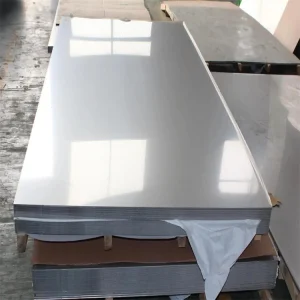
Advanced rolling and annealing processes ensure that the plate shape is flat, the surface is uniform and consistent, and there are no defects.

Processing services
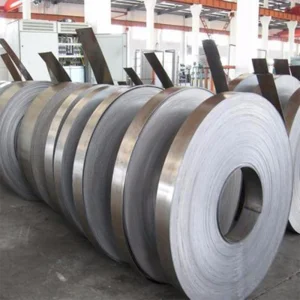
We provide one-stop processing services such as tablet, slitting, laser cutting, and folding, saving you costs and improving efficiency.

Logistics delivery
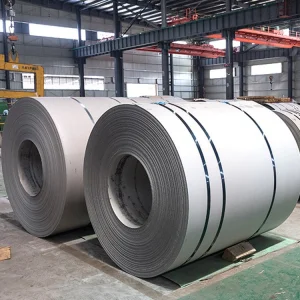
With a professional logistics team, both rolled and flat plates can be properly packaged and efficiently delivered.
Purchase Guide
Contact with food, liquids, or in humid/outdoor environments? —— Must select 304.
Thin sheet (0.3-1.0mm): tableware, kitchenware, decorative coverings, and chassis shells.
Medium plate (1.2-3.0mm): food machinery, water tank body, structural components, furniture frame.
Thick plate (3.0-6.0mm): load-bearing structure, large storage tanks, heavy equipment racks, building foundations.
Frequently Asked Questions (FAQ)
1. Is 304 stainless steel safe for food contact?
Yes, 304 stainless steel is recognized as a food-grade material. It features a high nickel content, stable performance, is lead-free and non-toxic, and can directly come into contact with food safe and hygienically.
2. What is the main difference between 304 and 201 stainless steel?
304 stainless steel contains 8% nickel and 18% chromium, making it highly corrosion-resistant and suitable for harsh or wet environments. 201 stainless steel has lower nickel content (1-4%) and is magnetic, making it suitable only for dry indoor environments.
3. What thickness ranges do you offer for 304 stainless steel?
We offer a full thickness coverage ranging from 0.3mm to 6.0mm (including common thicknesses like 0.5mm, 1.0mm, 1.5mm, 2.0mm, 3.0mm, etc.) to suit everything from precision foil applications to heavy-duty structural engineering.
4. What surface finishes are available for 304 stainless steel?
Our common supply statuses include cold rolling, annealing, and acid washing. We offer various surface finishes such as 2B, BA, 8K mirror surface, wire drawing, and other custom finishes upon request.
5. Do you provide custom processing and fabrication services?
Yes, we provide one-stop processing services including tablet cutting, slitting, laser cutting, and folding to save you costs, optimize material usage, and improve overall efficiency.
6. Can I get a product material certification (MTC) for my order?
Absolutely. Each batch of our products comes with a Material Certification (MTC) to guarantee that the chemical composition and mechanical properties strictly meet national (GB) and American (ASTM) standards.