Kenya Market Intelligence
East Africa’s Structural Shift: Stainless Steel Demand in Kenya
Strategic analysis for industrial buyers, EPC contractors, and stockholders across Nairobi, Mombasa, Kisumu, and Eldoret.
Kenya stands as the undisputed economic engine and logistics gateway of East Africa. Driven by the ambitious roadmap of Kenya Vision 2030, the national infrastructure and industrial manufacturing sectors are undergoing a major structural evolution. The modern industrial footprint is moving beyond traditional structural carbon steel toward high-durability, corrosion-resistant alloy plates. High-grade stainless steel plates—specifically in austenitic, ferritic, and duplex grades—have transitioned from specialized imported commodities to critical foundational materials for the country's economic expansion.
The geographic position of Kenya, anchored by the deep-water Kilindini Harbour at the Port of Mombasa, creates a unique industrial operating environment. Local fabricators and regional engineering procurement contractors (EPCs) face double-barrel challenges: severe atmospheric salinity along the 536 km coastline and intense humidity, coupled with aggressive chemical exposure in inland agricultural processing facilities along the Great Rift Valley. Consequently, selecting exact steel chemistry, surface topographies, and mechanical yield strength is paramount to long-term project viability.
8.5%
Annual Demand Growth in East Africa
50k+
Metric Tons Imported via Mombasa Port
100%
MTC EN 10204 3.1 Traceability
18-25
Days Direct Shipping Lead Time
Featured Selection
Priority Stainless Steel Plates & Sheets for Kenya Importers
Direct factory supply featuring cold-rolled, hot-rolled, and marine-grade options tailored for East African specifications.
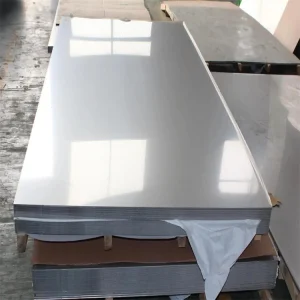
CE Certification 316L Stainless Steel Sheet for Coastal & Marine Infrastructure
Request Kenya Quote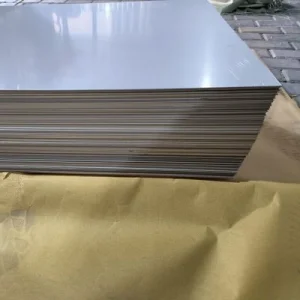
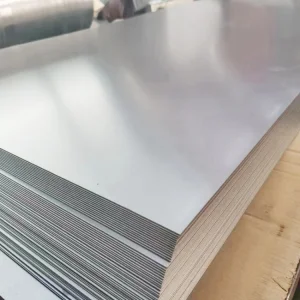
China SUS304 (06Cr19Ni10) Stainless Cold-Rolled Plate for Agro-Processing
Request Kenya Quote
CE Certified Cost-Effective 201 Cold Rolled Stainless Steel Sheet Supplier
Request Kenya Quote
Technical Deep-Dive
Grade Selection & Metallurgical Matrix for Kenyan Environments
Preventing premature failure by matching standard ASTM A240 and EN 10088-2 alloys with local mechanical and chemical stresses.
A common pitfall for procurement managers in Kenya is the misapplication of stainless steel grades due to upfront material cost considerations. In marine-adjacent locations such as Mombasa, Malindi, and Kilifi, high airborne chloride levels cause rapid pitting and crevice corrosion on standard 201 and 304 plates. Conversely, utilizing expensive marine-grade 316L plates for indoor architectural paneling in dry regions like Naivasha or Nakuru leads to capital over-allocation.
Our engineering matrix outlines the specific metallurgical characteristics, chemical composition tolerances, and targeted deployment scenarios across East Africa:
| Alloy Grade | Key Chemistry (Cr, Ni, Mo, Mn) | PREN Value | Yield Strength (MPa) | Recommended Kenya Application Scenario |
|---|---|---|---|---|
| Grade 201 | 16-18% Cr, 3.5-5.5% Ni, 5.5-7.5% Mn | ~12 - 14 | ≥ 275 | Indoor furniture, commercial kitchen trims, dry architectural framing in Nairobi. |
| SUS 304 / 304L | 18-20% Cr, 8-10.5% Ni, Low C (304L) | ~18 - 20 | ≥ 205 | Agro-processing plants, tea/coffee drying trays in Kericho, milk storage vats in Eldoret. |
| Grade 316 / 316L | 16-18% Cr, 10-14% Ni, 2.0-3.0% Mo | ~23 - 25 | ≥ 220 | Coastal structures at Mombasa Port, offshore piping, chemical processing in Thika. |
| Grade 310S | 24-26% Cr, 19-22% Ni (High Heat) | ~25 - 27 | ≥ 205 | High-temperature industrial furnaces, cement kilns in Athi River, boiler linings. |
| 2205 Duplex | 22% Cr, 5% Ni, 3% Mo, 0.17% N | ~32 - 35 | ≥ 450 | Geothermal steam scrubbers in Olkaria, high-pressure water purification, heavy mining. |
| 2507 Super Duplex | 25% Cr, 7% Ni, 4% Mo, 0.28% N | ≥ 42 | ≥ 550 | Desalination plants, hyper-saline chemical reactors, critical marine components. |
Surface Finish Engineering & Operational Longevity
Beyond chemical composition, surface roughness (Ra) directly governs corrosion resistance. The smooth topography of cold-rolled 2B and BA (Bright Annealed) finishes minimizes chloride trapping and particulate accumulation. For hygienic processing in Kenya's food and beverage industry, a No.4 brushed finish with protective laser film guarantees sanitization efficiency without microbiological retention. For heavy structural applications, hot-rolled No.1 pickled plates offer thick load-bearing resilience capable of withstanding extreme mechanical fatigue.
Manufacturing Superiority
The China-Kenya Supply Chain Advantage
Leveraging Chinese mill scale, precise metallurgy control, and optimized ocean freight to deliver maximum Information Gain and ROI.
Tier-1 Mill Stock Feedstock
Direct partnerships with global steelmaking giants including Tsingshan, TISCO, Baosteel, and POSCO ensure origin-traceable chemistry, zero scrap dilution, and tight mechanical tolerances.
In-House Precision Processing
Equipped with 5 high-speed slitting and flattening lines, 6 automated surface polishing units (8K Mirror, Hairline, No.4), and high-precision fiber laser cutting machines for custom plate dimensioning.
Rigorous Quality Assurance
Full compliance with CE Certification, ISO 9001:2015, and ASTM A240 standards. Every shipment is delivered with official Mill Test Certificates (MTC EN 10204 3.1) and PMI chemical verification.
Export Sea-Worthy Packaging
Reinforced wooden skids, heavy plastic waterproof wrappings, edge protectors, and desiccants prevent humidity exposure during transit across the Indian Ocean to Mombasa Port.
Kenya Field Applications
Macro Industry Solutions for East Africa’s Sector Needs
From Naivasha geothermal fields to coastal marine engineering in Mombasa—targeted alloy engineering.
1. Geothermal Energy & Power Generation (Olkaria / Naivasha)
Kenya leads Africa in geothermal energy extraction. The steam extracted from the Great Rift Valley contains hydrogen sulfide ($H_2S$) and high chloride concentrations. We supply 2205 Duplex and 316L plates designed to withstand severe stress corrosion cracking (SCC) and high operating pressure in geothermal steam separators.
2. Agricultural Processing & Food Hygiene (Eldoret / Kericho / Thika)
Agriculture forms the backbone of Kenya’s economy. Processing tea leaves, coffee beans, sugar cane, and dairy products requires sanitary food-grade equipment. Our ASTM A240 304 2B and No.4 cold-rolled sheets provide non-reactive, non-porous surfaces that prevent bacterial build-up and withstand strict chemical washdowns.
3. Coastal Marine & Infrastructure Expansion (Mombasa / Lamu)
Port expansions at Kilindini and the LAPSSET corridor require long-lasting marine materials. Standard structural steel degrades rapidly under coastal mist. Our 316L hot-rolled heavy plates and 2507 Super Duplex materials serve as structural pilings, jetty brackets, and marine fuel storage tanks with multi-decade lifespan guarantees.
4. Urban Architecture & Commercial Development (Nairobi Metropole)
Modern commercial skylines in Westlands, Upper Hill, and Kilimani demand high-aesthetic metal cladding. We manufacture custom 201 and 304 decorative sheets with mirror, hairline, PVD color coatings, and perforated patterns for elevator interiors, curtain walls, and interior balustrades.
Need Technical Guidance for Your Kenya Infrastructure Tender?
Our experienced metallurgical sales engineers will help you select the precise stainless steel grade, thickness tolerance, and surface finish to match your local project specs and budget constraints.
Send Inquiry Now
B2B Purchasing Optimization
Navigating Logistics, Customs, & Standards in Kenya
Essential procurement insights to streamline customs clearance via the Kenya Revenue Authority (KRA) and Kenya Bureau of Standards (KEBS).
1. Pre-Export Verification of Conformity (PVoC) & KEBS Requirements
To clear custom checkpoints seamlessly at Mombasa Port or Inland Container Depots (ICD Embakasi, Nairobi), imported steel shipments must comply with the Pre-Export Verification of Conformity (PVoC) program mandated by KEBS. Direct purchasing from our factory guarantees that all mill test certificates match actual physical coil and plate heat numbers, enabling smooth issuance of the required Certificate of Conformity (CoC) before vessel departure.
2. Container Loading Optimization & Freight Economics
Steel plates are high-density, weight-critical cargo. Standard 20-foot dry containers are ideal for shipping stainless steel plates due to weight limit ceilings (typically 26 to 28 Metric Tons depending on ocean liner terms). Our loading teams utilize customized heavy-duty wooden skids, steel wire lashing, and moisture-absorbing silica gel bags. This eliminates sheet sliding and maritime corrosion during ocean transit along the Indian Ocean shipping lanes.
3. EAC Common External Tariff (CET) Considerations
Understanding tariff classifications under the East African Community (EAC) CET structure helps buyers optimize duty costs. Raw plate feedstocks, semi-finished stainless coils, and finished structural plates carry specific HS codes (such as 7219.11, 7219.21, 7219.33). Partnering with an experienced exporter ensures accurate invoice classification, preventing demurrage delays at Kilindini Harbour.
Future Outlook
Future Trends Shaping Kenya's Stainless Steel Sector
Technological transitions in material utilization, weight optimization, and green building standards.
Lean Duplex Grade Adoption
As raw nickel prices fluctuate globally, Kenyan engineering firms are increasingly replacing standard 304/316L plates with Lean Duplex grades (e.g., 2101, 2304). These alloys offer twice the mechanical strength of traditional austenitic stainless steel at a lower nickel content, allowing engineers to reduce plate thickness without sacrificing structural safety.
Growth in Local Value-Addition & Fabrication
Kenya is rapidly transitioning from importing fully finished metal products to local fabrication. The establishment of modern laser-cutting, CNC bending, and automatic welding workshops in Nairobi’s Industrial Area and Athi River drives high bulk demand for primary cold-rolled and hot-rolled stainless plates.
Green Energy & Clean Tech Mandates
With East Africa prioritizing sustainable infrastructure, solar water heater manufacturers, biofuel reactors, and circular waste-management initiatives in Kenya require durable 304L and 316L stainless sheets with 100% recyclability ratings.
Full Product Range
Comprehensive Stainless Steel Plates, Sheets & Pipes Catalogue
Factory-direct options available for immediate wholesale export to Kenya and the broader East African market.
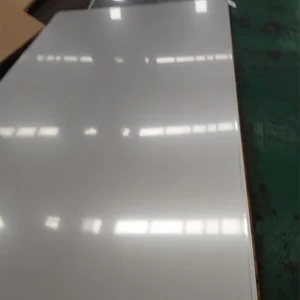
Custom 2507 Super Duplex Steel Plate Supplier for Kenya Power Projects
Request Kenya Quote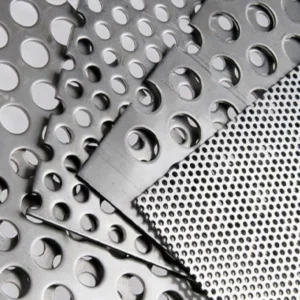
CE Certification Perforated Stainless Steel Sheet Manufacturer for Kenya Facades
Request Kenya Quote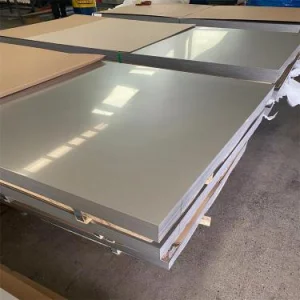
China 304 Stainless Cold Rolled Sheet (ASTM A240, 2B/BA/No.4) for Commercial Kitchens
Request Kenya Quote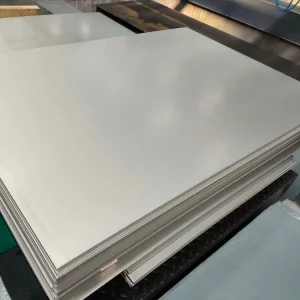
CE Stainless Steel Hot Rolled Plate (No.1) – 304 / 316L / 310S / 2205 for Heavy Industry
Request Kenya Quote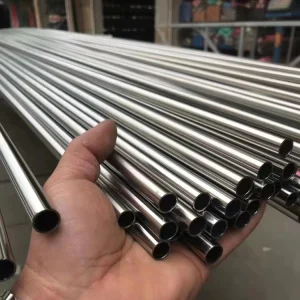
CE Certification China Stainless Steel Pipe Suppliers - MTC Certified for Kenyan Pipelines
Request Kenya Quote
CE Certified High Cost-Effectiveness 201 Cold Rolled Sheet for Furniture Manufacturing
Request Kenya Quote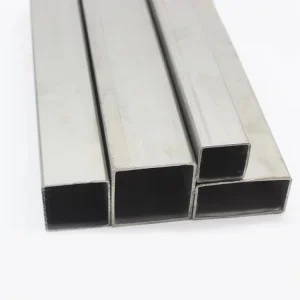
Custom Prime Quality 201 Stainless Steel Pipe for Structural Handrails in Nairobi
Request Kenya Quote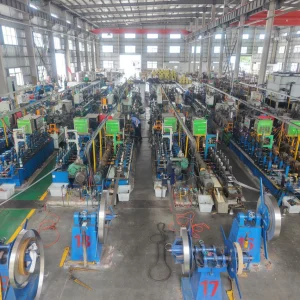
China High-Quality Stainless Steel Industrial Welded Pipes for Municipal Projects
Request Kenya Quote
Sourcing FAQ
Frequently Asked Questions: Importing to Kenya
Expert responses addressing technical specifications, logistics, payment terms, and KEBS compliance.
Which stainless steel grade is best suited for coastal projects in Mombasa?
For coastal and marine environments within 15 km of the Indian Ocean (such as Mombasa, Kilifi, or Lamu), 316L or 2205 Duplex stainless steel is strongly recommended. Grade 304 can experience surface pitting due to high atmospheric salt content (chlorides). 316L contains 2-3% Molybdenum, which drastically increases pitting resistance (PREN ≥ 23), while 2205 Duplex provides superior yield strength and resistance to stress corrosion cracking.
How do you ensure compliance with Kenya Bureau of Standards (KEBS) and PVoC?
We provide full documentation required for the Pre-Export Verification of Conformity (PVoC) process managed by KEBS-appointed inspection agents (such as SGS, Intertek, or Bureau Veritas). All orders are shipped with official Mill Test Certificates (MTC) conforming to EN 10204 3.1, detailing exact chemical composition, tensile strength, yield strength, and elongation test results matching the heat numbers stamped on the plates.
What is the typical shipping lead time from your factory to Mombasa Port?
Manufacturing and custom processing (slitting, laser cutting, polishing) generally take 7 to 14 days depending on order volume. Direct ocean vessel transit from major Chinese ports (Shanghai/Ningbo/Qingdao) to Kilindini Harbour, Mombasa, typically takes 18 to 25 days. Total lead time from order confirmation to port arrival is usually between 30 and 40 days.
Can you supply custom non-standard plate dimensions and tolerances?
Yes. In addition to standard international stock sizes (e.g., 1219x2438mm, 1500x3000mm, 1500x6000mm, 2000x6000mm), our factory operates high-precision laser cutting and shearing lines capable of cutting custom plate lengths and widths with tight tolerances (±0.5mm) per ASTM A480 / ISO 9445 standards.
How are stainless steel plates protected against humidity during ocean transit?
We use heavy-duty export packaging designed specifically for long-distance maritime routes. Plates are interleaved with neutral anti-scratch paper or laser protective film, wrapped in waterproof woven plastic wrap, reinforced with steel edge protectors, and secured onto fumigated wooden skids or steel frames with heavy steel strapping. Desiccant bags are placed inside container shipments to absorb ambient moisture.
What are your supported payment and trade terms for Kenyan buyers?
We offer flexible trade terms including FOB, CFR, and CIF Mombasa. Accepted payment methods include Telegraphic Transfer (T/T) and Irrevocable Letters of Credit (L/C at sight) from reputable commercial banks operating in Kenya.
Partner with China’s Leading Stainless Steel Manufacturer for Your Kenya Supply Chain
Get instant factory-direct price quotes, request free material samples, or speak with our East African export division today.
Send Inquiry Now