
Featured Pipe Inventory for South Africa Sourcing
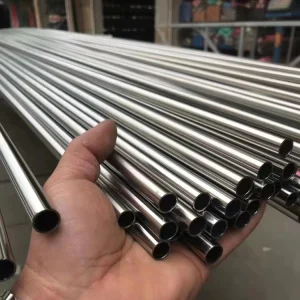


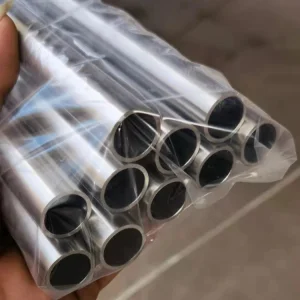
Executive Summary: South African Stainless Steel Pipeline Dynamics
The Southern African industrial landscape is undergoing a structural transition driven by infrastructure modernizations, intense underground mining revamps, and expanded regional chemical manufacturing. As sub-Saharan Africa’s dominant economic engine, South Africa represents a critical hub for high-grade tubular steel consumption. However, local fabricators, mining engineering firms, and municipal contractors face acute pressures: escalating domestic stockist margins, port delays at Durban and Coega, and stringent compliance mandates enforced by the South African Bureau of Standards (SABS) and international bodies.
Navigating the choice between locally distributed stock and direct mill import orders requires a rigorous technical understanding of total cost of ownership (TCO), material performance under extreme regional environments (such as acid mine drainage in Gauteng or marine corrosion in KwaZulu-Natal), and precise tariff classification under ITAC guidelines. This whitepaper establishes an objective procurement framework for South African engineers and sourcing managers targeting direct factory partnerships for welded and seamless stainless steel piping systems.
Localized Application Scenarios Across South African Regions
South Africa’s geographical diversity introduces vastly different metallurgical stress vectors. Sourcing officers must match the alloy composition to localized environmental conditions to prevent premature pitting, stress corrosion cracking (SCC), or intergranular erosion.
1. Deep-Level Mining (North West & Gauteng)
In the platinum and gold mining sectors surrounding Rustenburg and the Witwatersrand basin, underground fluid transport lines handle highly acidic water (pH < 3.5) contaminated with heavy chlorides and suspended solids. Duplex 2205 (UNS S31803/S32205) welded pipes are rapidly replacing conventional 316L due to their double yield strength and resistance to slurry erosion-corrosion.
2. Coastal Petrochem & Marine (KZN & Eastern Cape)
The Durban port terminal corridor and refining complexes in Sasolburg/Secunda require high-reliability piping resistant to airborne chloride spray and aggressive process effluents. Heavy-wall 316L (UNS S31603) and Super Duplex 2507 pipes ensure zero pitting under humid marine microclimates.
3. Agribusiness & Beverage (Western Cape)
Wine production facilities in Stellenbosch and dairy processing plants in Cape Town mandate strict hygienic fluid delivery. Internal electro-polished SUS304/304L sanitary tubes with Ra < 0.4 µm surface finish eliminate bacterial entrapment risk and comply with food-grade sanitary standards.
Technical Selection Matrix: Matching Stainless Alloys to SA Specifications
Choosing the correct alloy is a balance between raw material expenditure and lifecycle durability. The Pitting Resistance Equivalent Number (PREN) formula provides an objective metric for specifying pipes in chloride-rich African environments:
| Grade Family | UNS / EN Standard | PREN Rating | Mechanical Yield (MPa) | Primary South Africa Industry Use |
|---|---|---|---|---|
| Austenitic 201 | UNS S20100 / 1.4372 | ~16.0 | ≥ 310 | Indoor furniture, decorative balustrades, low-cost structural handrails |
| Austenitic 304 / 304L | UNS S30403 / 1.4307 | ~19.0 | ≥ 205 | General food processing, municipal water, indoor architecture |
| Austenitic 316 / 316L | UNS S31603 / 1.4404 | ~25.0 | ≥ 220 | Chemical conveyance, marine structural tubing, coastal power stations |
| Duplex 2205 | UNS S32205 / 1.4462 | ~35.0 | ≥ 450 | Acid mine drainage piping, high-pressure slurry lines, oil/gas refining |
| Super Duplex 2507 | UNS S32750 / 1.4410 | > 42.0 | ≥ 550 | Offshore oil rigs, reverse osmosis desalination, heavy industrial acid processing |
Supply Chain Economics: Direct Factory Sourcing vs Local Stockists
When evaluating procurement quotes in Johannesburg, Cape Town, or Durban, buyers must look beyond the initial FOB or CIF port figures. The total land costs include customs tariffs under the International Trade Administration Commission of South Africa (ITAC), port handling fees, land freight, and holding costs.
Local SA Stockist Model
- High inventory holding markup (typically +25% to +45%).
- Limited stock availability for specialized wall thicknesses (e.g., Sch 40S/80S).
- Short lead times for small repair quantities.
- Risk of mixed material batches from varying raw material origins.
Direct Chinese Mill Export Model
- Direct mill pricing with zero intermediary overhead.
- Tailored production to exact project BOM (Bill of Materials) lengths.
- 100% full traceability with EN 10204 3.1 Mill Test Certificates (MTC).
- Lead times structured for planned project schedules (approx. 25–35 days sea transit to Durban).
Quality Assurance & SANS/ASTM Compliance Safeguards
South African engineering projects strictly enforce quality verification protocols. Importing unverified tubular goods creates significant liability during third-party inspection audits (such as Bureau Veritas or SGS sign-offs).
To safeguard your import pipeline, our direct factory production lines adhere to rigorous international test standards, guaranteeing seamless integration with local SANS structural codes:
Technical Roadmap: Future Innovations in Stainless Steel Tube Manufacturing
As global decarbonization targets accelerate and South Africa transitions toward green hydrogen energy projects in the Northern Cape, piping demands are shifting toward hyper-clean, high-pressure capabilities.
1. Automated High-Frequency Laser Welding Lines
Traditional TIG welding processes are increasingly replaced by automated hybrid laser welding. This technology reduces the heat-affected zone (HAZ) by up to 60%, drastically minimizing intergranular corrosion risks without requiring expensive post-weld solution annealing.
2. Green Steel Feedstock Utilization
Leading mill partners are integrating electric arc furnaces (EAF) powered by renewable energy, reducing the embodied carbon footprint of stainless steel pipes by up to 40%. This aligns with South Africa’s carbon tax initiatives for major industrial emitters.
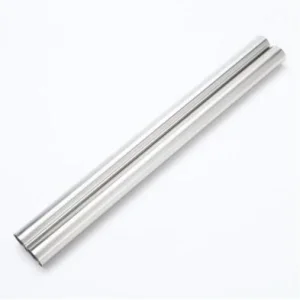
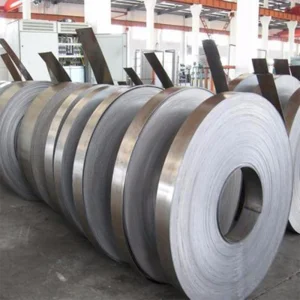
Comprehensive Stainless Steel Pipe, Sheet & Coil Portfolio
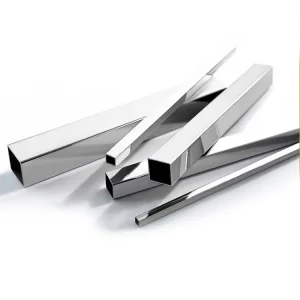
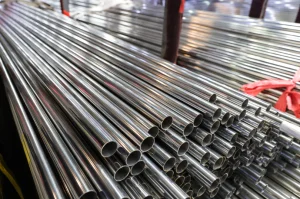
Explore our certified factory direct portfolio optimized for South African engineering and commercial distribution specifications.


Frequently Asked Questions: Sourcing Stainless Steel in South Africa
Expert responses compiled by our senior metallurgical and export logistics teams to address common procurement challenges faced by Southern African buyers.
Optimize Your South African Stainless Steel Pipeline Sourcing
Connect directly with our engineering sales specialists. Receive competitive factory-direct quotes, complete metallurgical material test reports (MTC), and optimized ocean freight schedules within 24 hours.