
Certified Stainless Steel Materials & Structural Components
Explore our mill-sourced stainless steel coils, sheets, pipes, and precision strips manufactured under strict CE & ISO Quality Control Systems.




1. Global Industrial & Commercial Landscape of Stainless Steel Tread Plates
In modern industrial engineering, structural safety, slip resistance, and chemical longevity are critical design imperatives. Stainless steel tread plates (commonly designated as floor plates, checker plates, diamond plates, or teardrop plates) serve as vital structural surfaces across high-risk environments. Unlike carbon steel variants that require frequent anti-corrosion recoating, or aluminum plates that lack high mechanical yield strength, stainless steel tread plates deliver superior tensile strength, chemical resistance, and long-term hygienic performance.
The global demand for high-integrity anti-slip surfaces is driven by strict workplace health and safety directives, such as the European Union's Machinery Directive 2006/42/EC and the United States' OSHA Standard 1910.22 (Walking-Working Surfaces). Modern industrial complexes—spanning marine oil platforms, automated food processing lines, chemical containment structures, and mass transit terminals—demand floor materials that maintain structural rigidity under dynamic loads while offering friction coefficients capable of mitigating slip-and-fall hazards.
To withstand aggressive atmospheric conditions (such as airborne chlorides in offshore environments or caustic washdowns in food manufacturing), metallurgical selection is key. Stainless steel tread plates are predominantly manufactured from Austenitic grades (SUS 201, 304, 304L, 316, 316L), Ferritic grades (430), and high-performance Duplex/Super Duplex alloys (2205, 2507). The mechanical deformation process used to create raised patterns (such as 1-bar, 2-bar, 5-bar teardrop, or diamond patterns) requires precise thermo-mechanical control during hot-rolling or cold-embossing to prevent micro-cracking along pattern crests.
Key Engineering Insight: Selecting the correct tread plate involves evaluating both structural load capacities and environmental exposure. Cold-rolled embossed plates deliver a refined surface finish ideal for cleanrooms, whereas hot-rolled tread plates provide thicker load-bearing capacity for heavy machinery walkways and structural civil engineering projects.
2. Deep Dive: CE Certification Framework & Regulatory Compliance
For international buyers, EPC contractors, and steel distributors importing into the European Economic Area (EEA) and global markets, CE Certification is a non-negotiable regulatory prerequisite. A CE mark indicates that the stainless steel tread plate complies with EU Construction Products Regulation (CPR 305/2011) and meets harmonized European standards, primarily EN 10088-2 (Technical delivery conditions for sheet/plate of corrosion resisting steels for general purposes) and EN 1090-1 (Execution of steel structures).
Critical Verification Mandates under CE Standards:
CE marking guarantees that every batch delivered by China manufacturing facilities has undergone rigorous third-party auditing and factory production control (FPC) procedures. The essential characteristics evaluated include:
Chemical Composition (OES Analysis)
Verification via Optical Emission Spectroscopy ensuring elemental thresholds for Chromium, Nickel, Molybdenum, and Carbon meet exact ASTM/EN limits to prevent intergranular corrosion.
Mechanical & Yield Strength (Tensile Testing)
Determination of 0.2% Proof Stress (Rp0.2), Tensile Strength (Rm), and Elongation (A5) to guarantee structural load bearing without permanent plastic deformation.
Slip Resistance Rating (DIN 51130)
R-rating classification (R9 to R13) determined through ramp friction testing, confirming that the pattern profile provides effective anti-skid traction in oily or wet environments.
When sourcing CE certified tread plates from premier Chinese manufacturers like Jiangsu Renzhi Holding Group Co., Ltd., every shipment is issued with a mill-traceable EN 10204 3.1 or 3.2 Inspection Certificate. This documentation guarantees full traceability from raw material liquid steel heat numbers through to final slitting and surface embossing.
3. China Manufacturing Efficiency & The Wuxi Industrial Advantage
China produces over 55% of the world’s crude stainless steel, with the **Wuxi stainless steel industrial cluster in Jiangsu Province** standing as the global epicenter for stainless steel processing, stocking, and export distribution. Operating within this integrated eco-system gives tier-one factories unprecedented structural cost and efficiency advantages over global competitors.
Key Factors Driving China Supply Chain Competitiveness:
- Direct Mill Feedstock Integration: Prime quality hot-rolled and cold-rolled stainless coils are sourced directly from premier steel mills such as Tsingshan Holding Group, TISCO (Taiyuan Iron & Steel), POSCO, and Baosteel. This raw material continuity guarantees consistent chemical compositions and eliminates intermediate dealer markups.
- Advanced Processing Infrastructure: Leading production facilities feature high-speed continuous leveling, automated precision slitting lines, 6-stand surface polishing arrays (producing 8K mirror, No.4, hairline finishes), and heavy-duty cold/hot embossing rolls capable of producing crisp pattern profiles at high speeds.
- Vertical In-House Operations: By combining coil slitting, pattern embossing, laser cutting, tube welding (over 80+ lines), and surface finishing under a single operational roof, factories streamline lead times from weeks to days while maintaining total control over dimensional tolerances.
- Logistical Proximity to Major Deep-Water Ports: Located near Shanghai and Ningbo ports, factories reduce inland freight expenses, allowing for flexible container loading, breakbulk shipments, and sea-freight packing designed to withstand ocean transit.
Metallurgical & Mechanical Grade Comparison Matrix
To assist procurement managers and structural engineers in specifying the optimal stainless tread plate material, the following matrix outlines key technical properties across standard grades:
| Grade Designation | Alloy Composition Type | Yield Strength (Rp0.2 MPa) | Corrosion Index (PREN) | Slip Friction Class | Recommended Primary Application |
|---|---|---|---|---|---|
| Grade 201 | Austenitic (Cr-Mn-Ni) | ≥ 275 | ~15 - 17 | R10 - R11 | Indoor architecture, commercial stair steps, dry transit vehicles |
| Grade 304 / 304L | Austenitic (~18% Cr, ~8% Ni) | ≥ 205 / 175 | ~18 - 20 | R10 - R12 | Food processing floors, kitchen platforms, general industry walkways |
| Grade 316 / 316L | Austenitic (~2-3% Mo) | ≥ 220 / 200 | ~23 - 25 | R11 - R13 | Marine decks, chemical plants, offshore oil & gas walkways |
| Grade 430 | Ferritic (~16-18% Cr) | ≥ 230 | ~16 - 18 | R10 | Appliance paneling, decorative interior flooring, dry machinery housings |
| Duplex 2205 | Austenitic-Ferritic (22% Cr, 3% Mo) | ≥ 450 | ~34 - 36 | R12 - R13 | Heavy industrial load floors, marine platforms, high-stress structures |
4. Understanding Stainless Steel Tread Plate Pricelist Mechanics
Navigating global pricelists for stainless steel tread plates requires a clear understanding of the underlying cost variables that influence factory quotes. B2B contract pricing is dynamic and calculated based on raw material market indexes, processing premiums, and compliance costs.
Formula for Factory Price Determination:
Total Tread Plate FOB Price = [Base Alloy Coil Price (LME/Shanghai Index)] + [Pattern Embossing / Hot-Rolling Surcharge] + [Custom Processing Premium (Slitting, Cut-to-Length, Polishing)] + [CE Compliance & Inspection Fee]
Key variables impacting the final unit pricelist include:
- Raw Material Alloy Surcharges: Nickel (Ni), Molybdenum (Mo), and Chromium (Cr) market pricing directly influences austenitic (304/316) and duplex prices. Higher Molybdenum content in 316L and 2205 commands a premium over 304 and 201 grades.
- Thickness & Dimensional Tolerances: Thin gauge plates (e.g., 1.0mm to 2.0mm) require cold-rolled embossing and precise tension leveling, which increases machine processing time compared to heavy hot-rolled floor plates (e.g., 4.0mm to 10.0mm).
- Pattern Type & Tooling Maintenance: Classic 5-bar teardrop and diamond patterns enjoy high production volume economies of scale, while specialized custom non-slip textures incur higher tooling amortization costs.
- Packaging & Protective Standards: Seaworthy packaging—including waterproof kraft paper, plastic foil wrapping, metal edge protectors, and fumigated wooden pallets or wooden cases—ensures damage-free ocean transportation.
5. Application Engineering & Future Technological Trends
Stainless steel tread plates are selected across critical sector-specific applications worldwide:
Chemical & Offshore Marine
Deploying SUS 316L and Duplex 2205 teardrop plates on offshore drilling platforms, chemical storage vessel gangways, and desalination facilities where constant salt spray and acidic vapors exist.
Food Processing & Pharmaceuticals
Utilizing cold-rolled 304 embossed floor plates in dairies, breweries, and cleanrooms. Smooth pattern contours allow easy CIP (Clean-In-Place) pressure washing and prevent bacterial harborages.
Commercial Vehicles & Mass Transit
Integrating lightweight 201 and 304 tread plates as step treads, tail lifts, and flooring panels in buses, emergency fire trucks, and passenger railway vestibules.
Future Industry Directions:
The stainless steel floor plate sector is advancing toward ultra-lightweight high-strength duplex alloys that reduce vehicle deadweight and overall energy consumption. Additionally, automated laser-welded composite tread plates and anti-fingerprint surface coatings are expanding aesthetic options for modern architectural escalators, luxury elevators, and public infrastructure.
Precision Steel Products & Processing Solutions
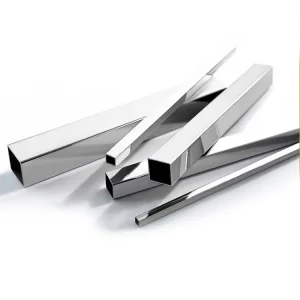
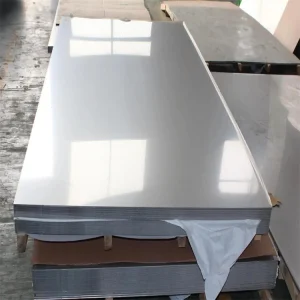
Complete your supply procurement with our full selection of stainless plates, pipes, mesh, and custom manufactured components.


Frequently Asked Questions (FAQ)
Get clear, expert answers on standards, technical specifications, pricelist factors, and factory ordering procedures.
What specific standards define CE Certification for stainless steel tread plates?
CE Certification for stainless steel tread plates requires compliance with European Standard EN 10088-2 (technical delivery conditions for sheet/plate) and, where applicable, structural execution under EN 1090-1 and EU Construction Products Regulation (CPR 305/2011). Certifications confirm that mechanical yield strength, elongation, chemical composition limits, and surface friction ratings meet strict European safety standards.
How does a 5-bar teardrop pattern compare to a diamond or 1-bar pattern?
The 5-bar teardrop pattern features clustered directional bars that provide multi-directional anti-slip grip, making it the industry standard for industrial walkways and heavy-duty platforms. Diamond (checker) patterns offer uniform grip and are popular for architectural and light vehicle flooring. Single-bar (lenticular) patterns are easier to clean and wash down, making them ideal for hygiene-critical food processing facilities.
Which stainless steel grade should I select for marine or coastal applications?
For coastal and marine environments exposed to salt spray and high chloride levels, Grade 316 / 316L or Duplex 2205 is required. Grade 316L contains 2-3% Molybdenum, which boosts resistance to pitting and crevice corrosion. Duplex 2205 offers an even higher Pitting Resistance Equivalent Number (PREN ≥ 34) combined with nearly double the yield strength of 304.
What thickness options are available for stainless steel tread plates?
Thicknesses range from cold-rolled decorative sheets starting at 1.0mm up to heavy hot-rolled structural floor plates exceeding 10.0mm. Pattern height (typically 0.8mm to 2.0mm) is measured as the raised crest height above the base plate thickness.
How are factory pricelists calculated and updated?
Pricelists are calculated using the base stainless steel coil market price (indexed to raw materials like Nickel and Molybdenum) plus a pattern embossing surcharge, custom cutting or surface processing fees, and packaging costs. Quotes are usually locked in for 5 to 7 days during periods of market price volatility.
What quality documentation is included with my shipment?
Every shipment is accompanied by a mill-traceable EN 10204 3.1 Inspection Certificate (MTC) containing complete chemical analysis, mechanical tension test results, heat numbers, dimensional tolerance audits, and official CE compliance stamp.
Need CE Certified Stainless Steel Materials or Custom Quotes?
Consult directly with our engineering sales team in Wuxi, China. Receive comprehensive technical consultations, material samples, and factory-direct pricelists tailored to your project requirements.
Contact Our Technical Sales Team